 openaccessexchange@gmail.com
 Mon - Fri: 9 AM to 8 PM


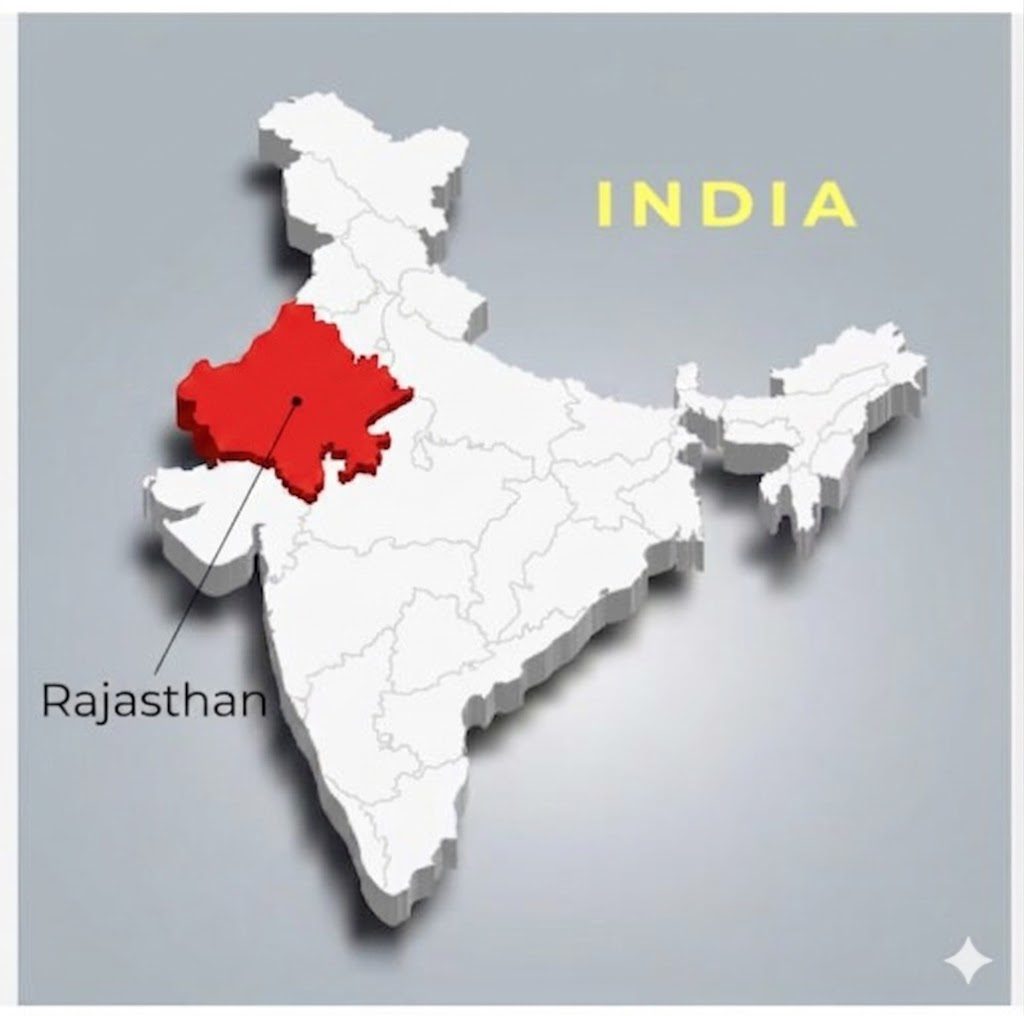
Rajasthan Open Access Regulatory Policy
Rajasthan is one of India’s most progressive states for renewable energy development and Open Access power procurement. Regulated by the Rajasthan Electricity Regulatory Commission (RERC), the state has established a robust framework that supports solar, wind, and hybrid energy projects. Electricity distribution is managed by Jaipur Vidyut Vitran Nigam Limited (JVVNL), Ajmer Vidyut Vitran Nigam Limited (AVVNL), and Jodhpur Vidyut Vitran Nigam Limited (JdVVNL), while Rajasthan Rajya Vidyut Prasaran Nigam Limited (RVPNL) functions as the State Transmission Utility and the nodal agency for Green Energy Open Access applications.
Under the Green Energy Open Access Rules, 2022 and the Rajasthan regulatory framework, consumers with a minimum contract demand or sanctioned load of 100 kW are eligible to procure renewable energy through Open Access. Consumers can source power through captive projects, group captive arrangements, or third-party procurement models. Rajasthan also provides priority access to Green Energy Open Access consumers over conventional Open Access applicants. A unique feature of the state’s policy is that captive renewable energy projects are allowed to install capacity up to 200% of the consumer’s contract demand, subject to applicable energy storage requirements.
The state offers one of the most attractive banking provisions in India for captive renewable energy consumers. Banking is permitted for captive projects with a banking charge of 8% through energy deduction. Consumers can bank up to 25% of monthly injected energy or 30% of monthly DISCOM consumption, whichever is higher. The banking cycle runs annually from April to March, and any unutilized banked energy lapses at the end of the financial year.
Open Access consumers in Rajasthan are required to pay transmission charges, wheeling charges, and applicable regulatory surcharges as determined by RERC. For FY 2025-26, intra-state transmission charges are ₹0.37 per unit, while wheeling charges vary according to the voltage level of supply. Cross Subsidy Surcharge (CSS) is applicable at ₹1.58 per unit and Additional Surcharge at ₹0.72 per unit for eligible consumers. Electricity duty is levied at 7% on energy charges, and a Green Tariff premium of ₹0.05 per unit is applicable for green energy procurement.
Rajasthan offers significant incentives for renewable energy consumers. Captive renewable energy projects receive a 100% waiver on Cross Subsidy Surcharge, while Additional Surcharge is not applicable for captive consumers operating within their contract demand. The state also provides transmission and wheeling charge exemptions for eligible Battery Energy Storage System (BESS) projects and concessional benefits for Green Hydrogen and Green Ammonia projects commissioned before 2030.
The state has actively promoted rooftop solar adoption through Net Metering, Net Billing, Virtual Net Metering, and Group Net Metering mechanisms. Residential consumers can also benefit from incentives available under the PM Surya Ghar Muft Bijli Yojana. Export tariffs are determined by the regulator and are periodically revised through tariff orders.
Rajasthan’s renewable energy sector benefits from some of the highest solar irradiation levels in the country, particularly in districts such as Jaisalmer, Barmer, Bikaner, and Jodhpur. The state’s vast land availability and favourable climatic conditions have enabled the development of large-scale solar parks and utility-scale renewable energy projects. Industrial sectors such as cement, marble processing, textiles, manufacturing, and data centres represent major opportunities for Open Access power procurement due to their substantial electricity consumption.
Despite its strengths, Rajasthan’s Open Access market faces certain challenges. Third-party Open Access consumers remain subject to CSS, Additional Surcharge, transmission charges, and wheeling charges, which can impact overall project economics. Water scarcity in several regions creates operational challenges for solar power plants, particularly for panel cleaning and maintenance. Additionally, rapid renewable energy expansion has placed pressure on transmission infrastructure, leading to grid congestion in some renewable energy-rich zones.
Looking ahead, Rajasthan is expected to remain at the forefront of India’s renewable energy transition. Strong regulatory support, extensive solar resources, progressive Open Access provisions, and growing industrial demand continue to make the state one of the most attractive destinations for renewable energy investment. With ongoing development in battery storage, green hydrogen, and large-scale solar infrastructure, Rajasthan is well positioned to strengthen its leadership in Open Access and clean energy adoption over the coming years.