 openaccessexchange@gmail.com
 Mon - Fri: 9 AM to 8 PM


India's Energy Storage Requirement Projected to Reach 888 GWh by FY2035–36
 July 17, 2026
India’s energy storage sector is poised for unprecedented growth, with the country’s energy storage requirement projected to increase from approximately 1 GWh today to 888 GWh by FY2035–36, according to the latest India BESS Market Review released by the India Energy Storage Alliance (IESA) and Customized Energy Solutions (CES) during India Energy Storage Week (IESW) 2026.
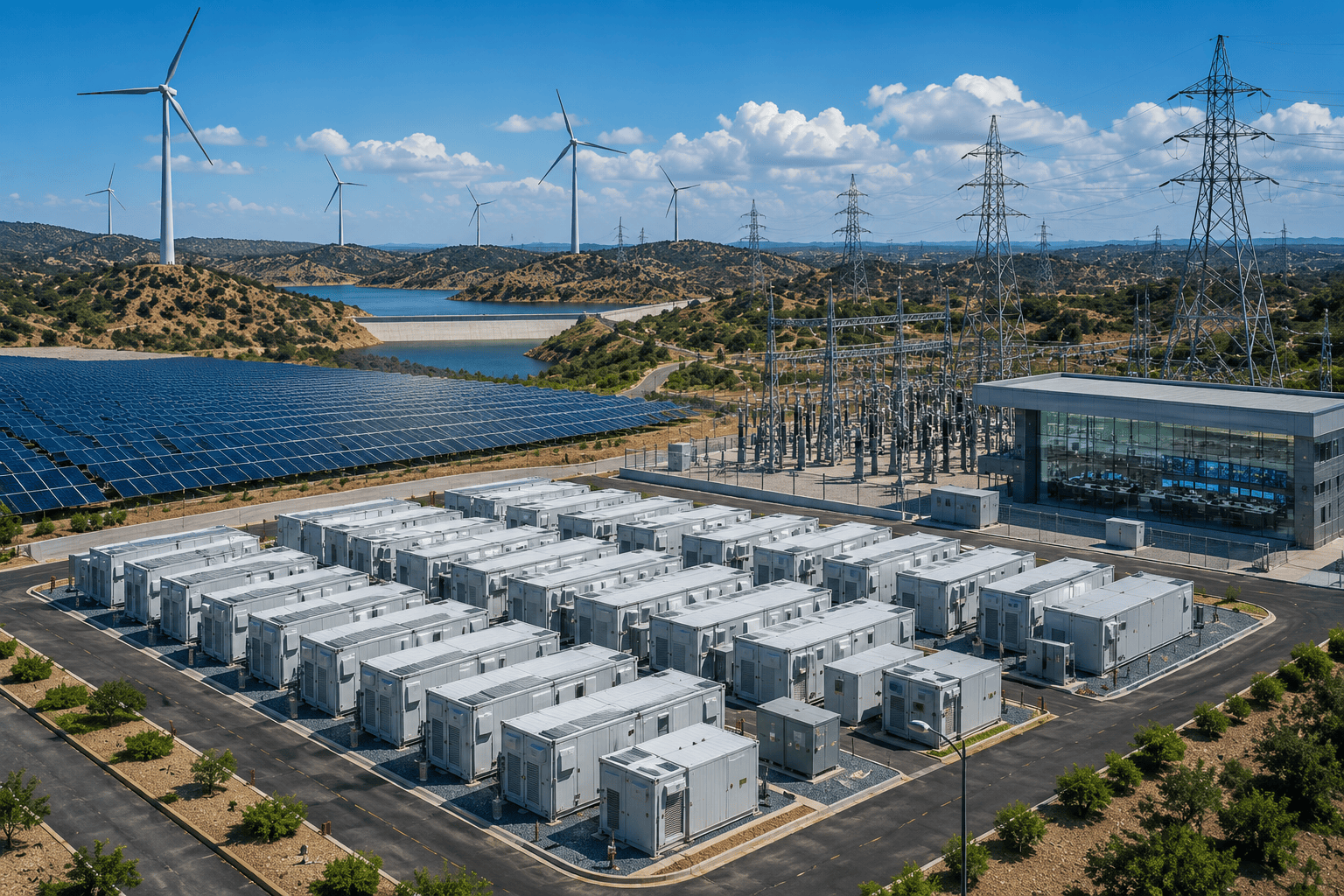
The report highlights that large-scale deployment of Battery Energy Storage Systems (BESS) and Pumped Storage Projects (PSPs) will be essential for integrating India’s rapidly growing renewable energy capacity. As solar and wind generation continue to expand, energy storage will play a critical role in balancing supply and demand, improving grid reliability, and ensuring uninterrupted electricity during peak demand periods.
According to the market outlook, the projected 888 GWh storage requirement is expected to comprise approximately 321 GWh of battery energy storage and 567 GWh of pumped hydro storage, creating one of the world’s largest energy storage markets over the next decade. This growth is closely aligned with India’s renewable energy ambitions and increasing electricity demand from industries, electric vehicles, digital infrastructure, and urbanization.
Industry experts note that energy storage is rapidly evolving from a supporting technology into a core component of India’s power system. Advanced storage solutions will enable greater renewable energy penetration, reduce dependence on fossil-fuel-based peaking plants, improve transmission efficiency, and provide ancillary services that strengthen overall grid stability.
With supportive government policies, falling battery costs, and rising investments in domestic cell manufacturing, India is expected to become one of the fastest-growing energy storage markets globally. The expansion of BESS and pumped storage infrastructure will be instrumental in achieving the country’s long-term clean energy objectives while ensuring reliable and affordable electricity for industries, businesses, and consumers.