 openaccessexchange@gmail.com
 Mon - Fri: 9 AM to 8 PM


India's Solar Manufacturing Push Faces Setback as Domestic Cell Shortage Disrupts Production
 July 23, 2026
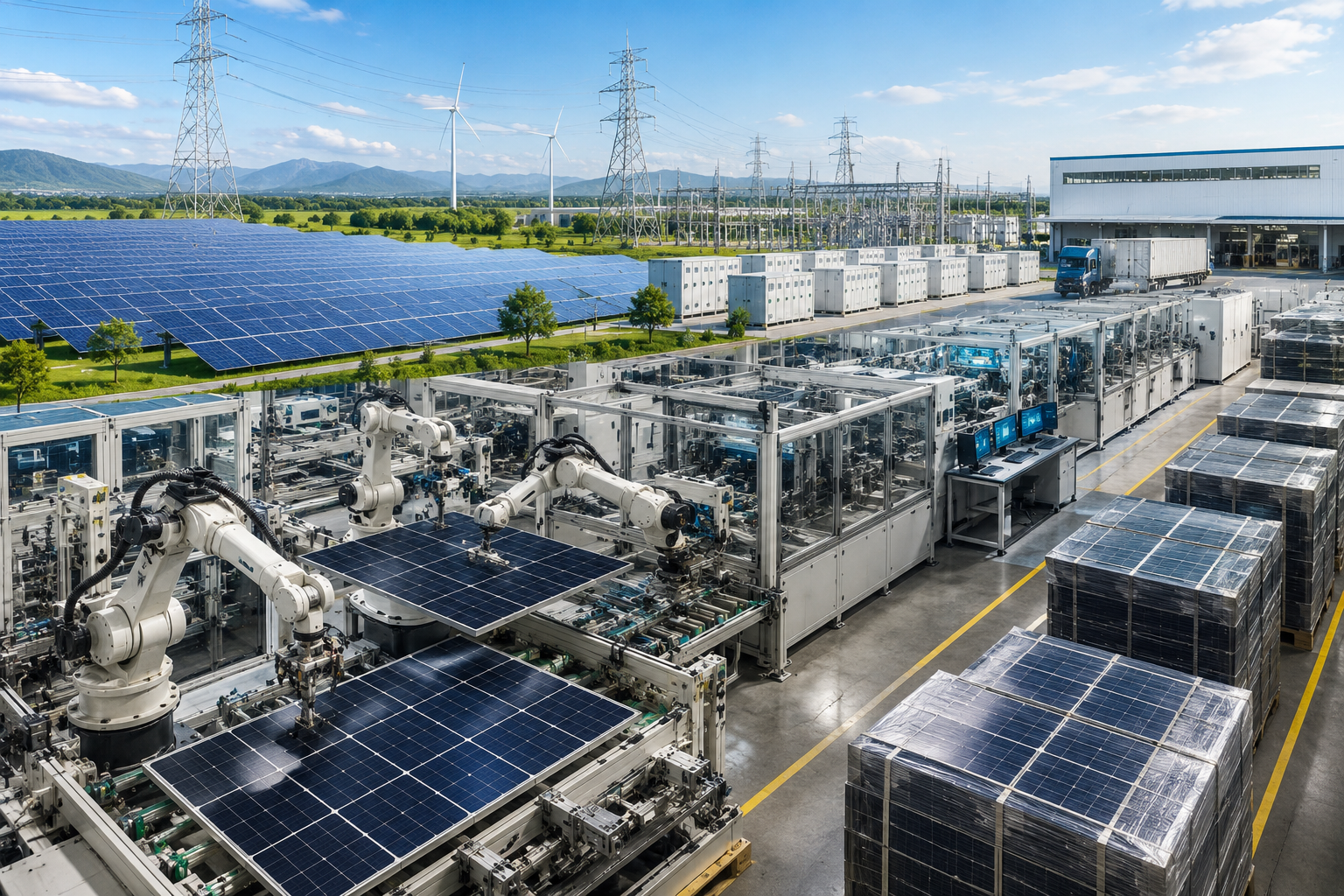
India’s ambitious effort to build a self-reliant solar manufacturing industry is facing fresh challenges as shortages of domestically manufactured solar cells disrupt production and increase costs across the sector. Industry participants say the supply gap is slowing manufacturing activity and exposing the country’s continued dependence on imported components, particularly from China.
The difficulties have intensified following the implementation of government regulations requiring the use of domestically manufactured solar cells in many projects. While the policy aims to strengthen India’s local manufacturing ecosystem, several solar module producers have reported delays in securing sufficient domestic cell supplies, forcing some factories to reduce production or temporarily suspend operations.
India has significantly expanded its solar module manufacturing capacity over the past few years. However, industry experts note that domestic solar cell production has not kept pace with module manufacturing capacity, creating a major imbalance in the supply chain. This mismatch has increased procurement costs and extended delivery timelines for manufacturers.
China continues to dominate global solar cell manufacturing and remains India’s largest source of imported solar cells. Although India has introduced production-linked incentives, approved manufacturer lists, and import restrictions to encourage domestic production, establishing competitive solar cell manufacturing facilities requires substantial capital investment, advanced technology, and time.
Developers have also expressed concerns that limited availability of domestic solar cells could increase project costs and delay renewable energy installations. The higher cost of locally sourced cells compared with imported alternatives may temporarily affect the economics of new solar projects until manufacturing capacity expands further.
India has set an ambitious target of achieving 500 GW of non-fossil fuel electricity capacity by 2030, with solar power expected to contribute a substantial share of this expansion. Industry observers believe that achieving these targets will require rapid scaling of domestic solar cell manufacturing alongside continued investments in module production, battery energy storage, transmission infrastructure, and grid modernization.
Despite the current challenges, analysts remain optimistic about the long-term outlook for India’s solar manufacturing sector. Continued policy support, increased investments, and technology partnerships are expected to strengthen domestic production capabilities over the coming years, helping reduce import dependence while supporting the country’s clean energy transition.