 openaccessexchange@gmail.com
 Mon - Fri: 9 AM to 8 PM


India-Russia Energy Trade Turns Two-Way as Russian Crude Meets Indian Fuel Exports
 August 31, 2026
India and Russia’s energy relationship is entering a new phase.
For years, the relationship was largely defined by India’s growing imports of Russian crude oil. But changing global energy flows and disruptions to Russian refining capacity are creating a new dynamic: Russia is increasingly turning to India for refined petroleum products.
Russia has reportedly imported more than one million barrels of Indian gasoline during June and July 2026, following disruptions to Russian refineries caused by Ukrainian drone attacks.
India significantly increased its purchases of Russian crude following Western sanctions imposed after Russia’s invasion of Ukraine.
The report says India remains one of Russia’s major crude customers, with recent imports reportedly ranging between 1.8 million and 2.8 million barrels per day. It also cites around $56.87 billion in Russian crude imports by India during 2024 and 2025.
The emerging flow in the opposite direction is significant.
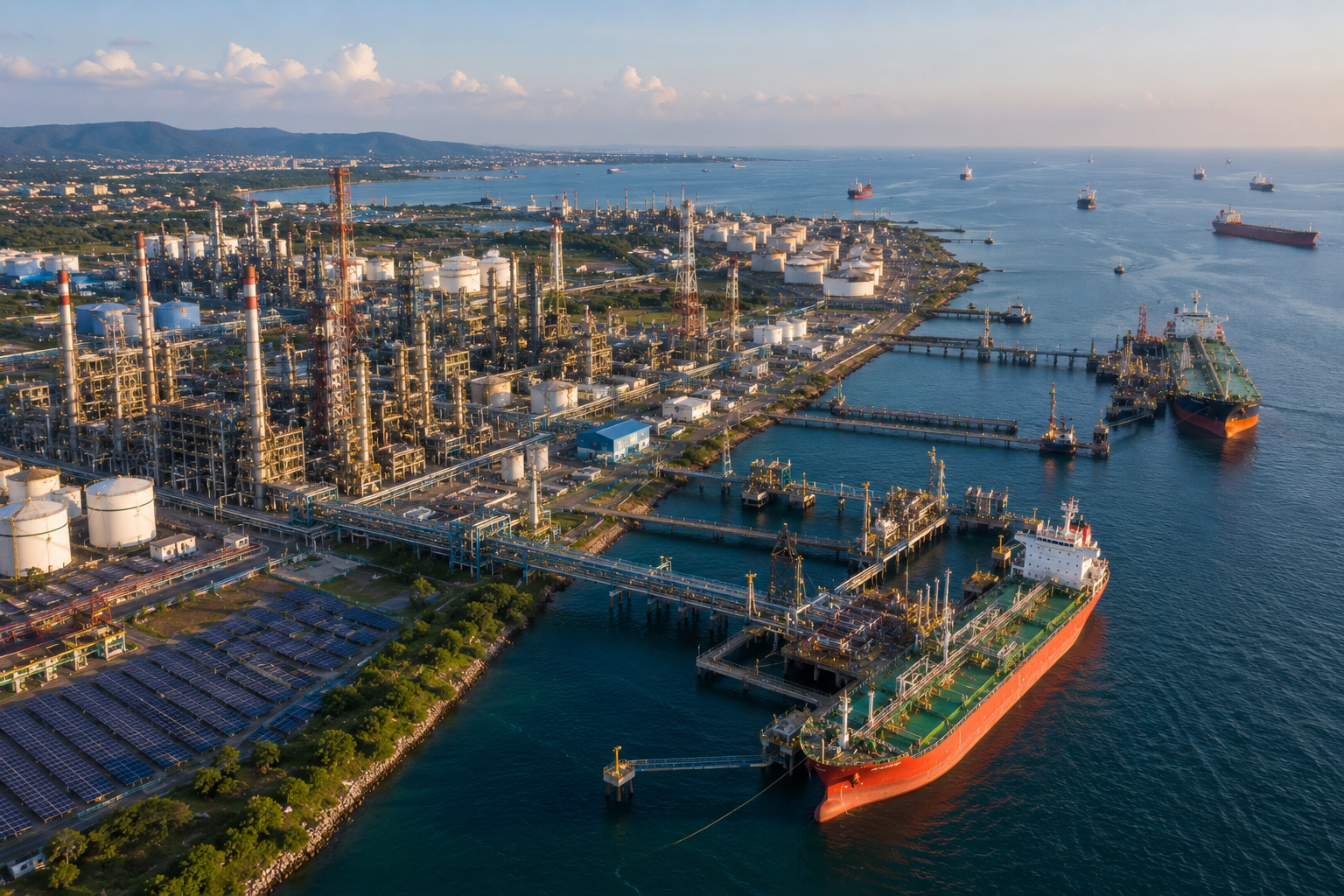
India has substantial refining capacity, allowing it to process crude into gasoline and other petroleum products. Russia’s refinery disruptions have created an opportunity for Indian refiners to supply some of that demand.
The development highlights how global energy markets are becoming increasingly interconnected.
Supply disruptions in one market can create opportunities for refiners and energy suppliers in another.
For India, the changing trade relationship could potentially help diversify its energy partnerships while also creating additional markets for its refining sector.
For Russia, access to refined fuel from India can provide another source of supply during periods of domestic refinery disruption.
The evolving relationship is taking place alongside India’s broader energy diversification.
The article notes that India is increasing purchases of LPG and LNG from the United States while continuing to expand renewable energy. This gives India greater flexibility in managing its relationships with Russia and other major energy partners.
This diversification is becoming increasingly important as energy security involves more than simply securing crude oil.
The changing India-Russia energy relationship illustrates India’s growing position in global energy markets.
India is not only a major energy consumer and crude importer.
It is also becoming an increasingly important refining and petroleum-products hub.
That creates opportunities to strengthen energy security, support refining capacity utilisation and potentially improve the balance of bilateral trade.
The global energy system is changing from a relatively straightforward producer-to-consumer model into a more complex network of interconnected supply chains.
India’s ability to import crude from one market, refine it efficiently and supply petroleum products to another demonstrates the strategic value of its downstream energy infrastructure.
At the same time, India’s expanding renewable-energy capacity is gradually adding another dimension to its energy strategy.
The future of India’s energy security may therefore depend not on one source or one partner, but on diversification, refining capability, renewable energy and flexible global supply chains.