 openaccessexchange@gmail.com
 Mon - Fri: 9 AM to 8 PM


Towards the next frontiers in India’s energy transition
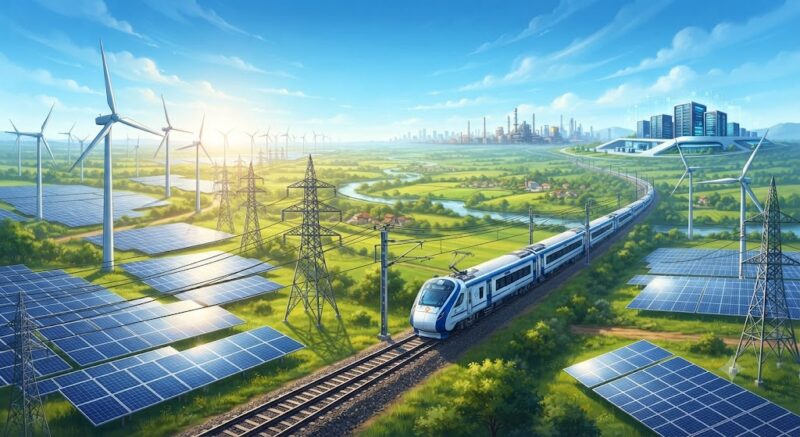
Non-fossil installed power capacity now constitutes a significant share of India’s total installed power capacity, having surpassed the milestone of 300 GW on August 10, 2026. In this article, Sarada Prasanna Das and Shubhranshu Suman argue that the next stage of India’s energy transition requires greater attention to system integration and the actual contribution of clean energy to electricity generation, while also recognising the broader socioeconomic opportunities that the transition can create.
While capacity deployment targets—such as the updated Nationally Determined Contribution (NDC) pledging 60% non-fossil capacity by 2035—have successfully driven investments, established least-cost renewable markets, and boosted investor confidence, capacity deployment alone is no longer enough. Non-fossil sources have accounted for only around 20-30% of actual electricity generation over the past 16 years, with fossil fuels like coal still generating about three-fourths of India’s power.
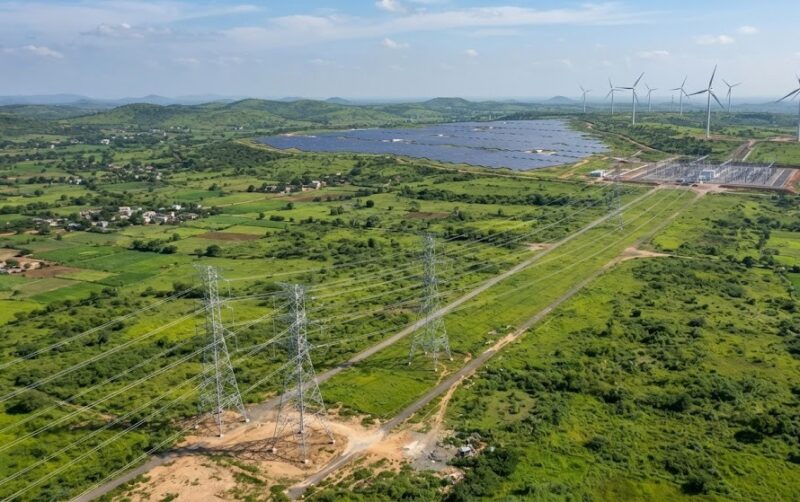
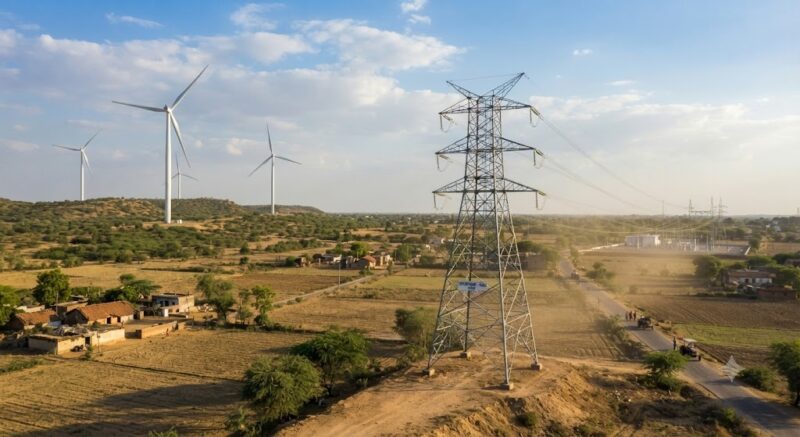
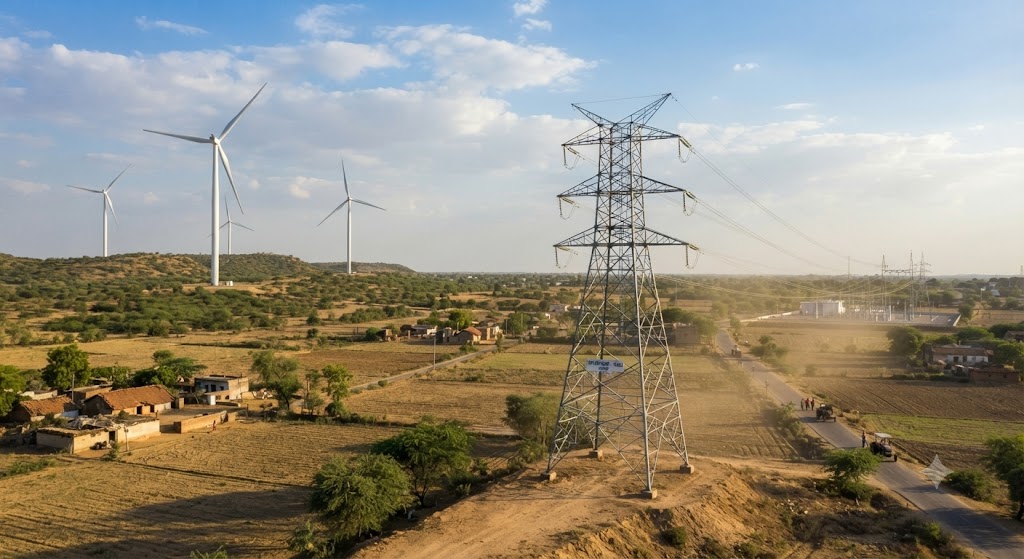
As India advances towards its 500 GW non-fossil domestic target by 2030, the central challenge lies in addressing grid integration, transmission bottlenecks, and curtailment issues (such as the curtailment of 8,133 GWh of solar power during April–June 2026), alongside expanding long-duration energy storage. Ultimately, the next frontier requires shifting from a purely capacity-centric approach to enhancing clean power generation, managing volatile peak demand driven by heatwaves and economic growth, and leveraging clean energy as a catalyst for broader socioeconomic and livelihood transformation.