 openaccessexchange@gmail.com
 Mon - Fri: 9 AM to 8 PM



Open access solar needs urgent reform to unlock India's clean energy potential.
 May 1, 2025
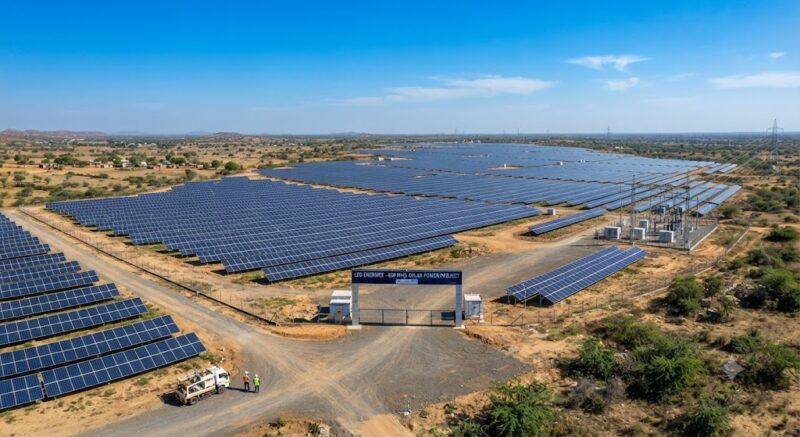
India’s transition to non-fossil electricity-with an ambitious target of up to 500 GW by 2030-so far has been highly focused on rooftop solar and utility-scale plants. An invisible yet transformative route, however, remains unleveraged: open access solar. Under this model, large electricity users can buy directly from solar producers, bypassing traditional power distribution companies or discoms-a feature that may dramatically reshape the renewable-energy landscape.
Open-access solar offers a compelling win-win: the factories, commercial complexes, and industries have an assurance of access to affordable, clean power, while solar developers get a stable demand stream. This enables long-term contracts, which are vital for investor confidence. At scale, open-access procurement could substantially reduce carbon emissions from energy-intensive sectors-and do so without major public capital outlay.Despite these advantages, the actual adoption of open access remains limited. At the very core of this problem lies the fragmented and inconsistent regulation across states. The open-access policy is relatively liberal in some progressive states like KERC and TNERC. However, in many states, heavy surcharges, restrictive wheeling charges, banking limits, and procedural red tape negate the financial benefits. In particular, open access often becomes uneconomic for small and medium enterprises.Resistance from discoms is another hurdle. The traditional utility-based model of distribution depends on revenues of all consumers, including particularly commercial and industrial users cross-subsidizing the costs for agricultural or residential users. That revenue base gets disturbed when high-paying consumers shift to open access. Consequently, many discoms delay approvals and add opaque procedural hurdles or even roll back earlier concessions. In the absence of clear oversight by regulators and central authorities, such practices continue unabated.
Medium-scale enterprises, especially the cluster-based industrial units, have low awareness of open access to solar. Many lack clarity on the benefits or are deterred by perceived complexity in navigating state-wise regulations. Closing this gap will require sustained capacity-building, policy clarity, and broad-based information dissemination.Four reforms have taken centre stage in propelling open-access solar into the mainstream: a unified national-level framework that harmonises rules across states; compensation or incentives for discoms to soften the financial impact; transparent and digitised application portals, which guarantee timely approvals; and a competitive market for renewables. Done right, open-access solar can be one of the cornerstones of India’s clean-energy transition, benefiting both consumers and developers alike, as well as the environment.