 openaccessexchange@gmail.com
 Mon - Fri: 9 AM to 8 PM



India's Rapid Solar Growth Runs Into Construction Hurdles
 November 14, 2025
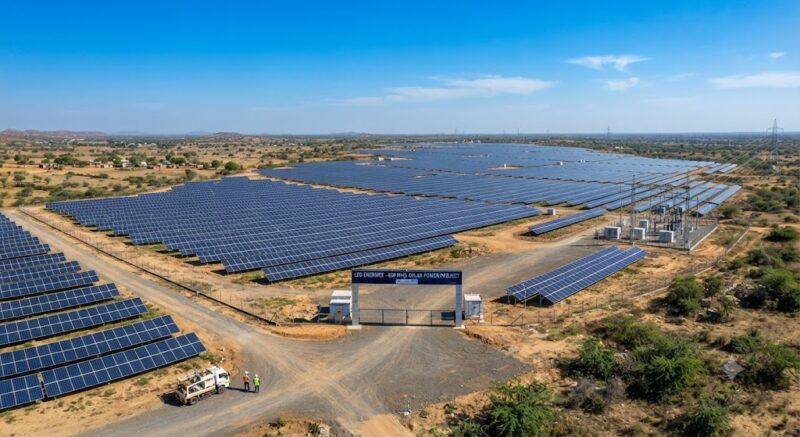
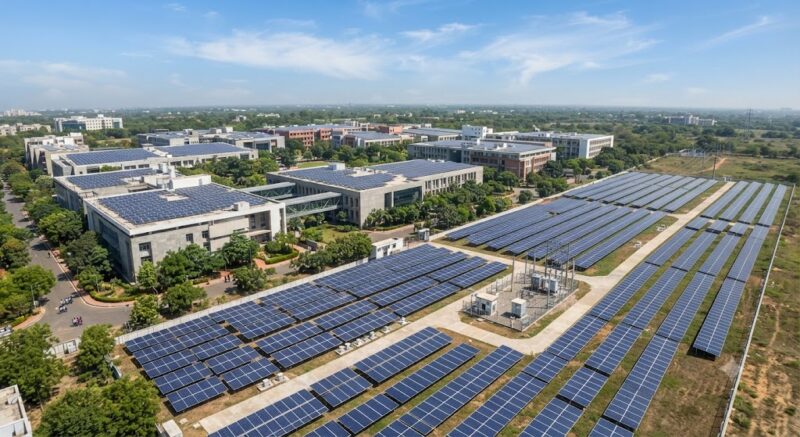
India’s installed solar capacity surged to about 123.13 GW by August 2025, after adding 18 GW of fresh capacity in the first half of this year-a year‑on‑year jump of about 31%. But despite this strong build‑out, more than 50 GW of renewable‑energy capacity across the country remains stalled as of June 2025, underscoring serious execution challenges within the sector.
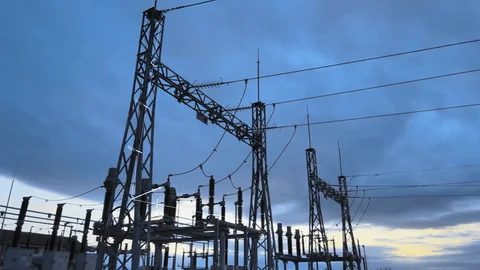
Delays are due to various structural and operational deficiencies. Land data, for example, on classification like forest, agriculture, government land, and boundary maps is fragmented in most cases and outdated. In many instances, developers have started site-preparation work, only to discover later that areas of the land were restricted or sacred and had to redo their design or faced legal stays; one high-profile case was the 12.5 GW solar park in Jaisalmer, where a section of “Oran” land was determined to be ineligible.Groundwork and procurement often proceed before final structural or electrical designs are approved, a practice that leads to wasted materials, rework, and cost overruns when plans are revised. Fragmented management also exacerbates project execution: civil works, electrical installation, and transmission network setup are often handled by different contractors with little coordination between them. The result is that there are instances of solar farms that are physically complete but cannot feed power because transmission infrastructure lags; in one state alone, more than 8 GW of completed projects remain non‑operational.
Added to these are labor challenges and safety shortfalls. Most of the projects are manned by unskilled labor, with low productivity and poor workmanship, with no structured training or certified safety protocols. The regulatory complexity also remains one of the biggest barriers: getting clearances from multiple central and state bodies is generally slow and uncoordinated and causes further uncertainty and delays. Weather‑related disruptions – such as heavy rainfall flooding construction sites – also add another layer of risk, especially in the trenching and cabling phase of solar farms. Experts point out that these bottlenecks can be avoided only if India adopts a more disciplined approach toward the construction of solar projects. This means holding off major construction until final “good-for-construction” drawings are ready and limiting early works during feasibility studies to minimal site preparation such as fencing or access roads. They also recommend modernization of project management through digital tools, enhancing coordination among contractors and regulators, labor training, and synchronizing grid infrastructure expansion with capacity growth , all of which essentially mean taking steps to unlock the full potential of India’s solar ambitions.