 openaccessexchange@gmail.com
 Mon - Fri: 9 AM to 8 PM


India's Renewable Energy Faces Grid and Supply Challenges
 December 24, 2025
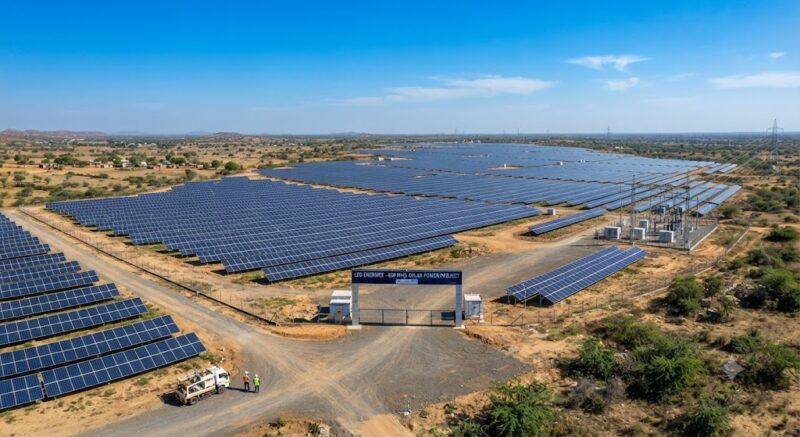
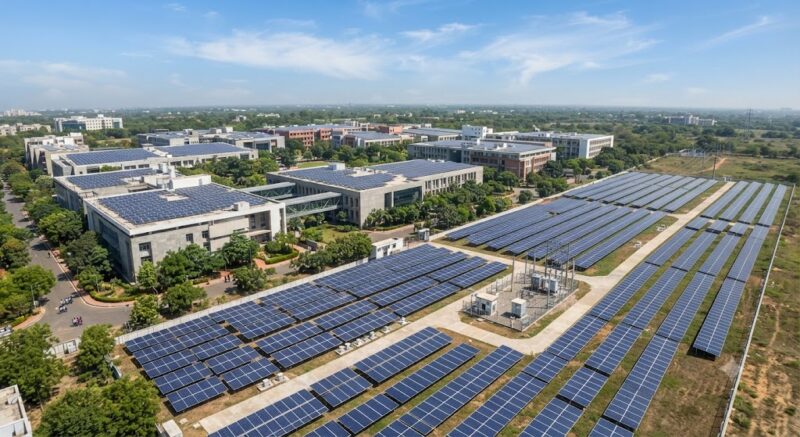
The renewable sector in India saw substantial additions in terms of renewable energy capacities in the year 2025. However, it confronted serious challenges which hindered its progress, according to industry specialists. Instability in the power grid and Intermittent curtailment of solar and wind power being the challenges
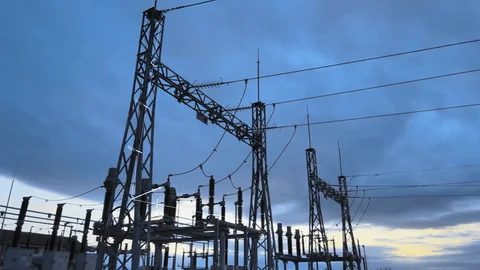
In 2025, the Rate of Deployment of clean energy capacity exceeded the expansion of transmission networks, leading to renewable energy, particularly in the states of Rajasthan, Gujarat, Maharashtra, and Tamil Nadu, being Restricted because of choked transmission corridors and low demand constituting the monsoon season. Such incidents led to substantial losses to the project developers, thus underlining the pressure on the Indian grid, given the growing share of renewables within the energy mix.
Grid balance concerns also arose in the wake of increased solar production. Frequent high injection levels caused deviations in grid frequencies from defined margins, showing that balancing in real time was necessary. The rate of failures in distribution transformers increased, and costs associated with core equipment such as transformers and switchgear more than doubled. Bottlenecks in supply chains further pressurized the sector. Transmission and generation projects were derailed by delays in the delivery of transformers, switchgear, and other core components, and the availability of locally qualified solar modules. Lead times for high voltage equipment could sometimes extend to almost 20 months.
There were changes in policy as well. The government started the process of reducing the full waiver of the interstate transmission system cost for renewables as well as the storage sector. Therefore, companies rushed to commission projects in order to take advantage of the existing waivers. However, it was anticipated that this could lead to varying market conditions. Challenges that affected the sector included land acquisition and right-of-way agreements that retarded the expansion of the power grid, restrictions related to energy banking and net metering rules that existed in the country, and technical problems that tended to slow the registration of rooftop solar projects. These factors highlighted that although the clean energy sector of India was growing very quickly, much reform is still required.