 openaccessexchange@gmail.com
 Mon - Fri: 9 AM to 8 PM



India’s power capacity is on the rise, hitting almost 510 gigawatts by December 2025.
 January 5, 2026
That’s a jump of about 36% compared to five years ago. It’s mostly the boom in clean energy solar, wind, biomass, and small hydro are all charging ahead and changing how the country gets its electricity. Back in December 2020, India had about 375 GW of installed capacity. Fast forward five years, and that number climbs to around 510 GW. The real engine here is renewable energy. In just this short span, new and renewable sources wind, solar, bio-energy, and small hydro more than doubled their capacity, growing by 122% and adding over 112 GW to the grid.
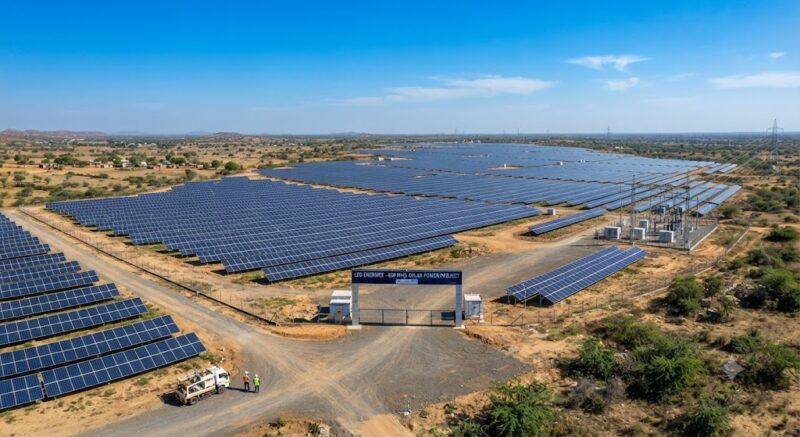
If you count large hydro and nuclear along with renewables, non-fossil fuel energy now makes up about 263 GW, or a little over half of India’s total power capacity. That’s a major shift toward cleaner energy. Meanwhile, fossil fuels like coal, gas, and diesel barely budged, growing just 5.6% over the same period. 2025 turned out to be a record-breaking year for India’s green energy push. By the end of November, the country had installed about 44.5 GW of new renewable capacity, most of it from solar. Just in 2025, solar added roughly 35 GW, bringing the country’s solar total up to nearly 133 GW. Wind power also grew, adding about 5.8 GW.
Other clean energy sectors aren’t sitting still either. Large hydro capacity expanded from around 45.8 GW to 50.4 GW, while nuclear power nudged up from 6.8 GW to 8.8 GW in 2020. All this new capacity is already plugged into the national grid and ready to deliver electricity. Officials see these numbers as proof that India is serious about scaling up renewables, meeting its growing energy needs, and cutting back on fossil fuels all in line with its climate and sustainability goals.