 openaccessexchange@gmail.com
 Mon - Fri: 9 AM to 8 PM


 January 21, 2026
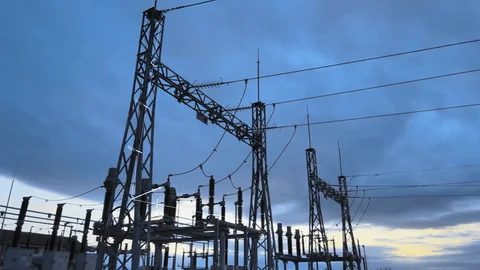
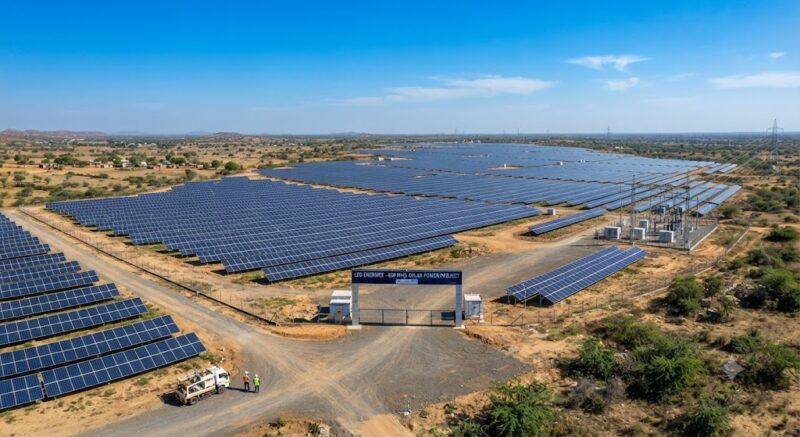
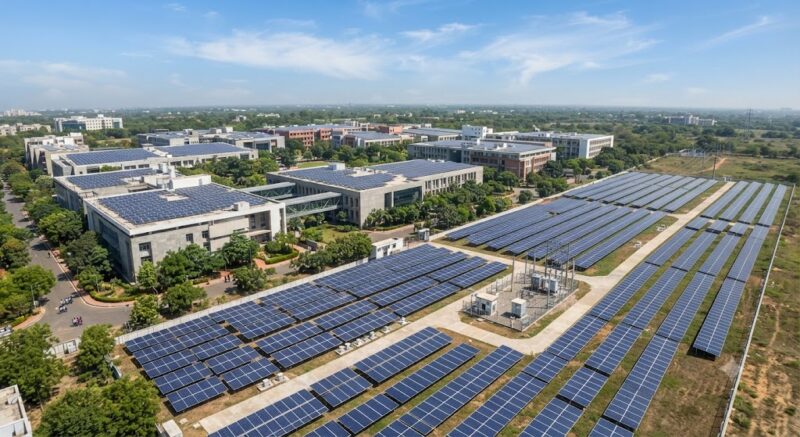
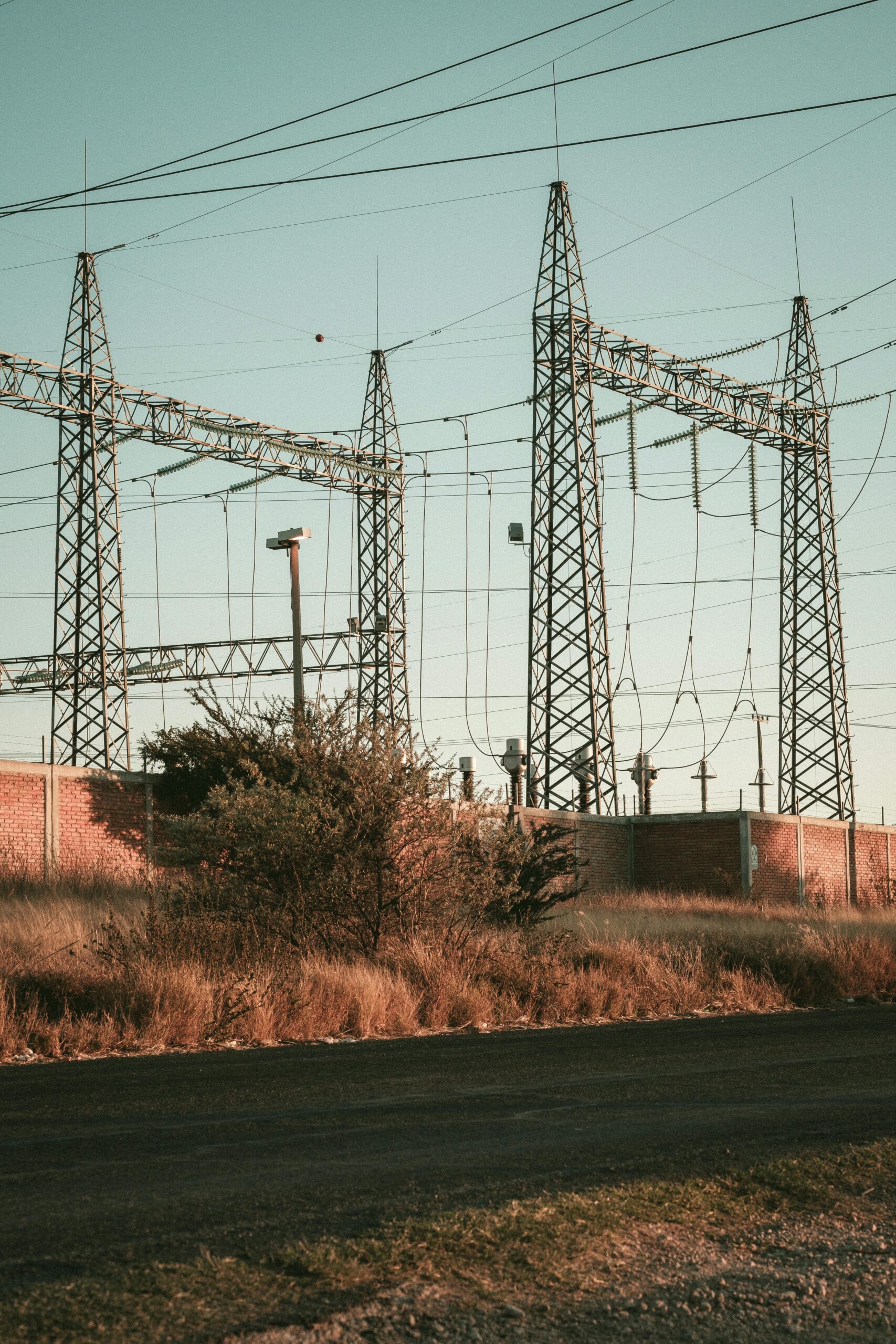
 New Delhi — The Government of India has unveiled plans to significantly expand the Green Energy Corridor to enable the evacuation of up to 150 gigawatts (GW) of renewable energy, a capacity far greater than earlier efforts, as part of its clean energy infrastructure push. This move aims to strengthen the country’s ability to transport large volumes of solar, wind and other clean power from generation sites to the national grid, addressing persistent transmission constraints that have slowed renewable growth.
The Green Energy Corridor programme, launched to support rapid integration of renewable energy across the country, has already commissioned around 20 GW under its first phase, covering multiple states including Andhra Pradesh, Gujarat, Karnataka, Rajasthan and Tamil Nadu. Phase two, which also targets around 20 GW through the addition of new transmission lines and substations, is currently underway and expected to be completed in the 2026-27 financial year.
Under the proposed third and fourth phases, the corridor will be scaled up dramatically, with plans to build transmission infrastructure capable of evacuating 150 GW of renewable power — roughly eight to ten times larger than the earlier phases combined. The programme’s expansion reflects India’s accelerating renewable capacity additions and the need for more robust grid links. Implementation of these new phases is planned in stages, recognising the substantial budget and logistics involved.
The government has already included the third phase in its Union Budget for the current financial year, with an estimated cost of about ₹56,000 crore, of which the central share would be 40 per cent. The expansion will be developed through the interstate transmission system, aimed at improving national grid integration and supporting India’s broader non-fossil energy goals for 2030 and beyond.