 openaccessexchange@gmail.com
 Mon - Fri: 9 AM to 8 PM


 January 29, 2026
 India’s renewable energy capacity has risen dramatically over the past decade and continues to grow rapidly, yet the sector faces significant challenges that could slow down progress, according to the latest Economic Survey released on January 29, 2026. The report shows that nearly half of the country’s total electricity generation capacity now comes from non-fossil sources, while project costs, land delays, and grid limitations remain key obstacles to making clean energy fully reliable and efficiently integrated into the national power system.
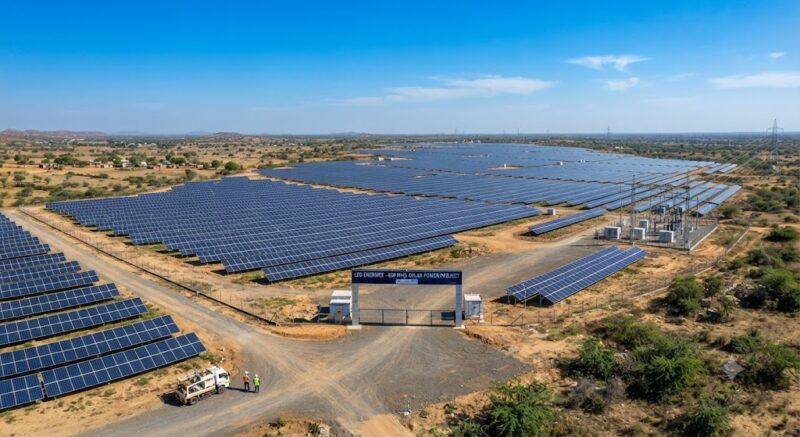
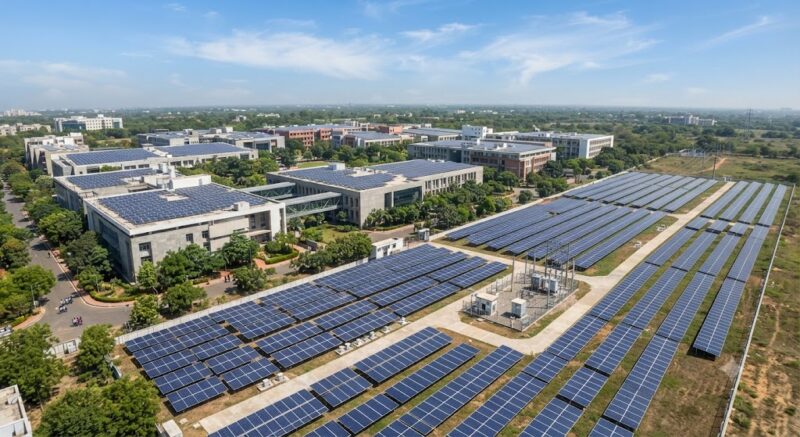
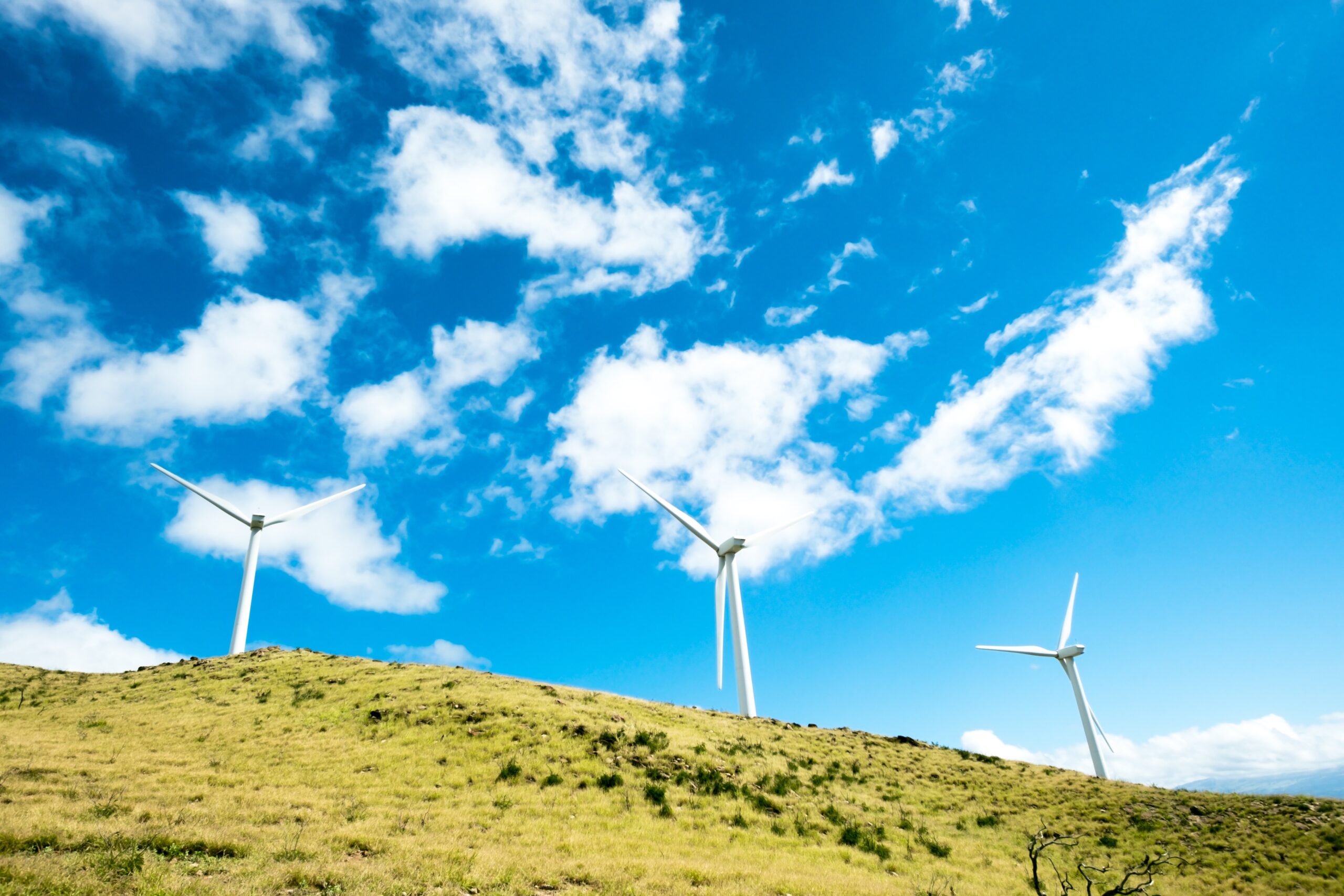
India’s renewable capacity has more than tripled from around 76 GW in 2014 to nearly 254 GW by November 2025, driven by strong policy support, private investment, and rapid additions in solar and wind installations. The Economic Survey highlights that the biggest annual increase in non-fossil capacity occurred in the first eight months of the current fiscal year, with about 34.56 GW of new capacity added—led by solar power followed by wind, hydro, and nuclear sources. India now ranks among the top countries globally in overall renewable and solar energy capacity.
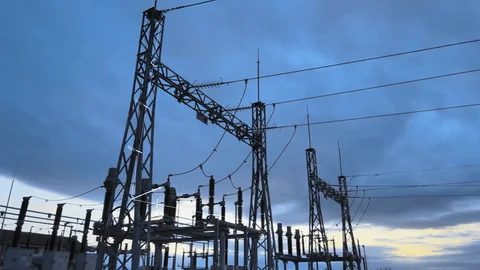
Despite this impressive growth, the Survey warns that high upfront project costs are limiting the pace of new developments, and difficulties in acquiring land are delaying many planned installations. Weaknesses in the transmission network also restrict the ability of grids to absorb and distribute variable renewable output, leading to occasional curtailment of clean energy. Addressing these structural issues through better financing mechanisms, faster land clearances, and investments in grid upgrades including storage technologies like battery systems and pumped hydro would be crucial for sustaining momentum.
The report also stresses the importance of emerging technologies such as Battery Energy Storage Systems (BESS) and Pumped Storage Hydropower (PSP) to enhance grid stability, manage peak demand, and support continuous supply from intermittent sources like solar and wind. Policymakers are urged to focus on these enablers alongside reforms to ensure that India’s clean energy transition remains resilient, economically viable, and able to meet the country’s growing electricity needs while reducing dependence on fossil fuels.