 openaccessexchange@gmail.com
 Mon - Fri: 9 AM to 8 PM


India’s Very Cheap Renewable Power Needs More Big Buyers to Use It
 January 31, 2026
India is producing some of the lowest-cost clean electricity in the world, but much of this cheap power has no buyers yet, industry experts say, warning that without new demand sources the country may not be able to fully use its renewable energy growth. Almost 42 GW of renewable electricity capacity won through auctions still lacks long-term purchasers, and many state power firms remain hesitant to commit to more clean power, industry analysts have pointed out.
India currently adds around 40 GW of renewable capacity every year, much faster than most advanced nations, and solar power with storage has been auctioned at prices near ₹3 per unit that stay fixed for long terms, offering stable costs. Despite this, the country faces a gap between low-price renewable supply and sources of demand willing or able to buy it, limiting how much of this clean power is actually used in the electricity system.
Experts and energy analysts say expanding the pool of power buyers will be critical to absorb surplus capacity and support India’s clean energy transition. Large energy consumers such as manufacturing hubs, export-oriented industries and data centres could purchase renewable electricity through open access markets or captive power arrangements, providing guaranteed long-term demand and helping support new clean-power projects.
In addition, shifting industrial energy use — especially for heat in factories that now relies heavily on imported oil and gas — to electricity powered by renewables could create substantial new demand and reduce dependence on fossil fuels. The fertiliser sector, which has shown competitive costs for clean-electricity-based production in recent auctions, and emerging opportunities in electrifying transport and commercial fleets could further expand consumption of green power.
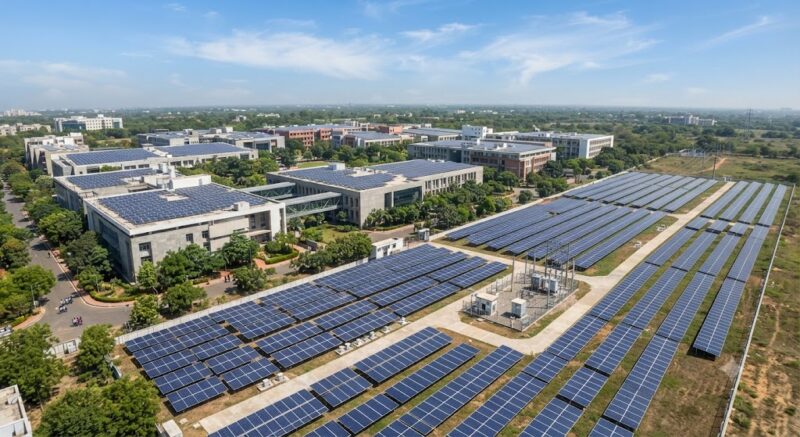
Distributed generation like rooftop solar on homes, small businesses and micro, small and medium enterprises (MSMEs) also has potential to boost overall renewable uptake, lower bills for end users, and ease pressure on utility grids. However, industry leaders stress that integrating all of these demand sources will require clearer policy support, better market mechanisms and financial tools that make long-term renewable power contracts easier to secure and finance.
With domestic renewable energy manufacturing capacity also growing, experts argue that expanding demand within India will help avoid oversupply and wastage, while strengthening the link between cheap clean power production and its effective use across the economy