 openaccessexchange@gmail.com
 Mon - Fri: 9 AM to 8 PM


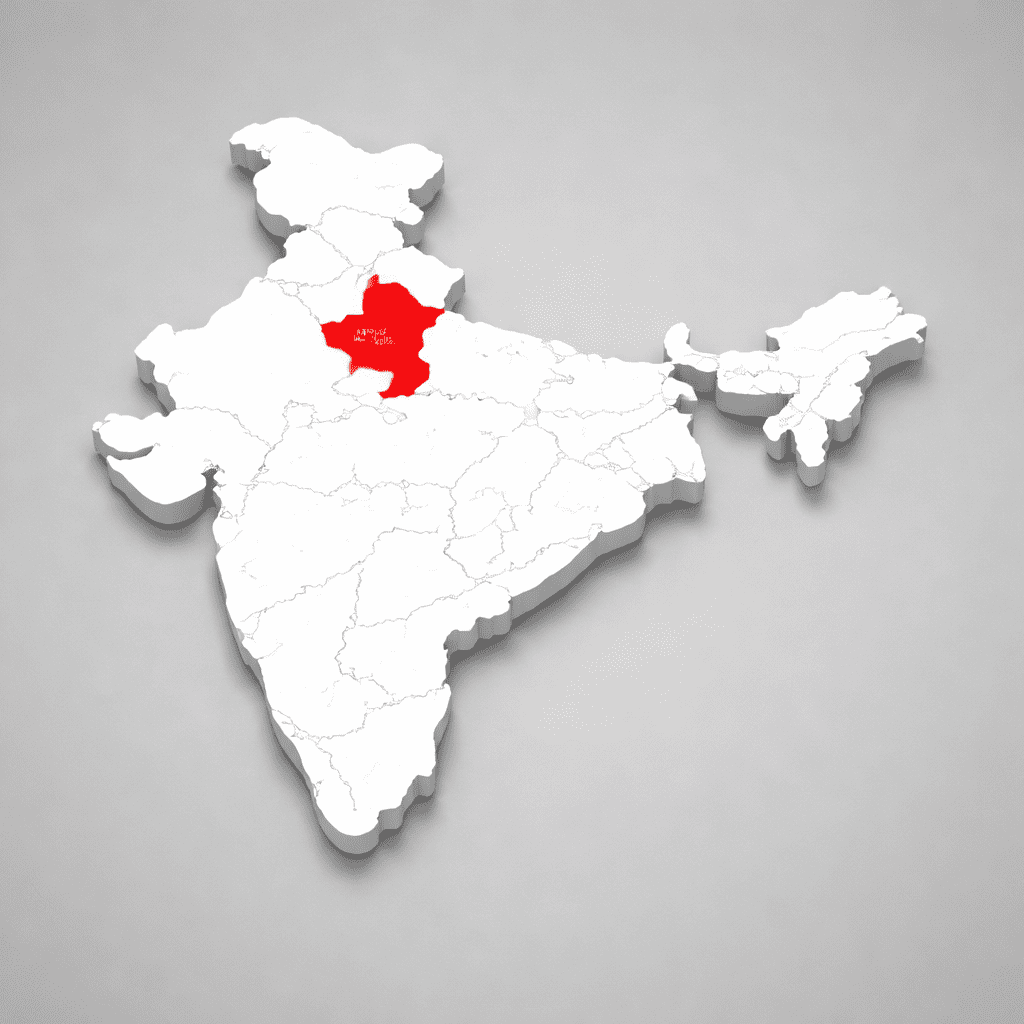
Haryana Open Access Regulatory Policies
Open Access and renewable energy procurement in Haryana are regulated by the Haryana Electricity Regulatory Commission (HERC) under various state and central regulatory frameworks.For a detailed breakdown of the latest electricity rates, consumer categories, and electricity charges applicable across Haryana, refer to our Haryana Electricity Tariff FY 2025–26 guide.
The state’s electricity sector is governed through the HERC Green Energy Open Access Regulations, HERC Renewable Energy Tariff Regulations, the HERC Draft Deviation Settlement Mechanism (DSM) Regulations, 2025, the Green Energy Open Access Rules, 2022, and the Electricity Act, 2003.
Haryana’s electricity distribution network is primarily served by two distribution utilities.
Uttar Haryana Bijli Vitran Nigam Limited (UHBVN) supplies electricity to northern districts including Ambala, Karnal, Kurukshetra, Panchkula, and Yamunanagar.
Dakshin Haryana Bijli Vitran Nigam Limited (DHBVN) serves southern districts including Gurugram, Faridabad, Rohtak, Panipat, Hisar, Bhiwani, and Rewari.
Green Energy Open Access (GEOA) is available to consumers with a minimum contract demand of 100 kW, in accordance with applicable state and central regulations.
The state supports multiple renewable energy procurement structures, including Captive, Group Captive, and Third-Party Open Access models.
Green Energy Open Access consumers receive priority over conventional Open Access consumers when transmission and distribution network access is allocated.
There is no restriction on the quantity of renewable energy that may be procured by eligible captive consumers under Green Energy Open Access arrangements.
Haryana also provides significant regulatory benefits to certain legacy captive renewable energy projects.
Captive solar projects commissioned on or before 13 February 2019 are eligible for lifetime exemptions from applicable transmission and wheeling charges, substantially improving long-term project economics.
Banking of renewable energy is permitted under Haryana’s regulatory framework, subject to specific operational conditions.
Banked energy may generally be withdrawn during the applicable billing cycle; however, withdrawal is restricted during designated peak demand periods where Time-of-Day (ToD) tariff provisions apply.
Banked energy cannot be carried forward beyond the applicable monthly billing cycle.
Any unused banked energy lapses at the end of the billing period, making Haryana’s banking framework less flexible than states that permit annual settlement mechanisms.
Unlike some states that provide monetary compensation for surplus energy, unutilized banked energy in Haryana is generally eligible for Renewable Energy Certificate (REC) treatment rather than direct financial settlement.
Banking charges are applicable in accordance with HERC regulations and prevailing tariff orders.
Applications for Open Access require approvals from the relevant distribution utility, transmission utility, and system operators.
Consumers connected within the UHBVN service area must coordinate with UHBVN, while consumers in southern districts must obtain approvals through DHBVN.
The state’s transmission network is operated by Haryana Vidyut Prasaran Nigam Limited (HVPNL), which plays a key role in transmission approvals and network connectivity.
The Haryana Renewable Energy Development Agency (HAREDA) functions as the nodal agency for renewable energy registration, Renewable Purchase Obligation (RPO) monitoring, and related compliance activities.
The approval process generally includes technical feasibility assessment, grid capacity verification, execution of required agreements, connectivity approvals, and scheduling arrangements through the Haryana State Load Dispatch Centre (HSLDC).
Short-Term Open Access transactions are scheduled and managed through HSLDC in accordance with applicable regulations.
Eligible entities are also required to submit Renewable Purchase Obligation compliance reports to HAREDA and HERC by 30 June following the end of each financial year.
Open Access consumers are subject to various network-related charges depending on project structure and procurement model.
Transmission charges under HVPNL generally range between approximately ₹0.40 and ₹0.60 per unit depending on network usage and applicable tariff provisions.
Wheeling charges typically range between approximately ₹0.50 and ₹0.80 per unit depending on voltage level and consumer category.
Cross Subsidy Surcharge (CSS) generally applies to Third-Party Open Access transactions and commonly ranges between ₹1.00 and ₹1.50 per unit.
However, CSS is generally waived for eligible Captive and Group Captive structures, making these models particularly attractive from an economic perspective.
Additional Surcharge is applicable for Third-Party Open Access consumers and has been specified at ₹1.21 per unit for FY 2025-26 under applicable HERC orders.
Green Energy Open Access consumers may benefit from exemptions from certain surcharge components in accordance with the Green Energy Open Access Rules, 2022.
Banking charges and other network-related charges continue to apply as prescribed under HERC regulations.
Deviation Settlement Mechanism (DSM) charges are applicable to eligible projects and consumers in accordance with HERC’s regulatory framework.
The proposed HERC Draft DSM Regulations, 2025 indicate a stronger focus on forecasting accuracy, scheduling discipline, and deviation management for renewable energy projects and Open Access participants.
Haryana is one of India’s most industrialized states and represents a significant market for renewable energy procurement.
The state hosts major industrial clusters spanning automotive manufacturing, textiles, food processing, pharmaceuticals, engineering, logistics, and information technology sectors.
Industrial centers such as Gurugram, Faridabad, Panipat, Hisar, Rohtak, and Rewari continue to generate strong demand for renewable energy solutions and Open Access procurement.
Captive and Group Captive models are generally considered the most commercially attractive structures in Haryana due to the exemption from Cross Subsidy Surcharge and the availability of other regulatory benefits.
The state’s industrial growth, expanding logistics infrastructure, and increasing corporate sustainability commitments continue to support renewable energy adoption across commercial and industrial sectors.
Despite these opportunities, several challenges remain.
Monthly banking provisions reduce operational flexibility for renewable energy projects compared to states offering annual banking arrangements.
Restrictions on withdrawal of banked energy during peak demand periods can affect project economics for consumers with variable consumption profiles.
Additional Surcharges applicable to Third-Party Open Access transactions may also reduce the overall savings available through renewable energy procurement.
The introduction of stricter scheduling and deviation management requirements may increase compliance obligations for renewable energy generators and Open Access consumers.
Haryana remains one of the most attractive Open Access markets in North India due to its strong industrial base, growing renewable energy demand, and supportive regulatory framework for captive renewable energy projects.
The state continues to encourage Green Energy Open Access participation while balancing grid stability, network cost recovery, and renewable energy integration objectives.
As renewable energy adoption accelerates and industrial demand continues to expand, Haryana is expected to remain an important market for Captive, Group Captive, and Green Energy Open Access projects across the region.