 openaccessexchange@gmail.com
 Mon - Fri: 9 AM to 8 PM


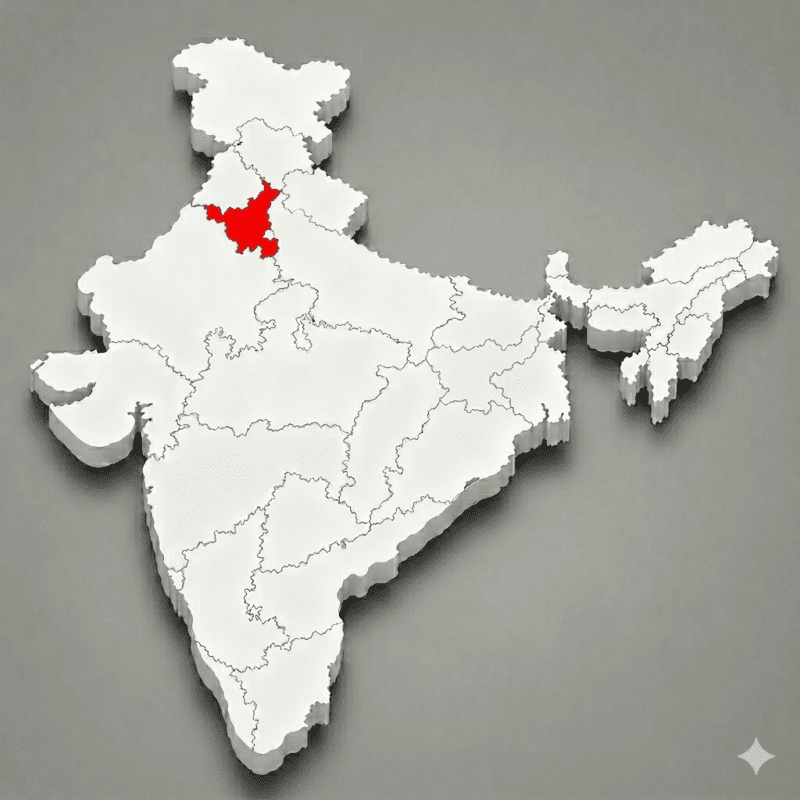
The Haryana Electricity Tariff FY 2025–26 is regulated by the Haryana Electricity Regulatory Commission (HERC) and implemented through the state’s distribution utilities. Haryana remains one of India’s largest industrial and commercial power markets, with significant opportunities for Open Access, captive renewable energy projects, and corporate power procurement.To understand the Open Access regulations, eligibility criteria, banking provisions, and renewable energy framework in Haryana, read our Haryana Open Access Regulatory Policy guide.
Current Electricity Tariffs
Industrial Electricity Tariff
| Consumer Category | Approximate Rate |
|---|---|
| LT Industrial (General Purpose) | ₹6.48 per unit |
| HT Industrial (11 kV) | ₹6.50 – ₹7.50 per unit |
| HT Industrial (33 kV and Above) | ₹5.80 – ₹6.80 per unit |
Commercial Electricity Tariff
| Consumer Category | Approximate Rate |
|---|---|
| HT Commercial | ₹7.00 – ₹8.00 per unit |
Fixed & Demand Charges
| Category | Charges |
|---|---|
| HT Consumers | ₹250 – ₹400 per kVA/month |
Additional Charges
| Component | Rate |
|---|---|
| Fuel Surcharge Adjustment (FSA) | Approximately ₹0.50 – ₹1.00 per unit |
| Electricity Duty | 5% on energy consumption |
| Municipal / Panchayat Tax | Applicable in certain areas |
Note: After including FSA, electricity duty, and other statutory charges, the effective electricity cost for many commercial and industrial consumers can exceed ₹8 per unit.
Standby Power Charges
Consumers utilizing Open Access or captive power arrangements may avail standby power supply from the DISCOM when their primary source is unavailable.
| Provision | Details |
|---|---|
| Backup Power Supply | Available through DISCOM |
| Standby Charges | Applicable as per HERC tariff order and consumer category tariff |
| Advance Intimation | Required for planned shutdowns and maintenance activities |
Renewable Energy Policy
Haryana continues to promote renewable energy adoption through regulatory support and renewable purchase obligations.
| Policy Component | Details |
|---|---|
| HERC RE Tariff Regulations 2025 | Effective from December 2025 |
| Regulatory Certainty | Five-year framework for renewable energy projects |
| Nodal Agency | HAREDA |
| Renewable Energy Registrations | Managed through HAREDA |
Renewable Purchase Obligation (RPO)
| Category | Target |
|---|---|
| Solar Energy | Approximately 8% |
| Wind Energy | Approximately 2% |
| Other Renewable Energy Sources | Approximately 2% |
Solar Energy Potential
Haryana benefits from strong solar irradiation and large tracts of suitable land for utility-scale solar projects, particularly in:
-
Fatehabad
-
Hisar
-
Sirsa
The state government continues to support solar park development and renewable energy investments across these regions.
Deviation Settlement Mechanism (DSM)
The HERC Draft DSM Regulations 2025 aim to strengthen scheduling discipline and grid stability.
| Provision | Details |
|---|---|
| DSM Framework | Stricter enforcement proposed |
| Objective | Reduce scheduling deviations |
| Impact | Inaccurate scheduling may result in additional penalty charges |
Haryana Market Insights
Challenges
-
Additional Surcharge of approximately ₹1.21 per unit can reduce third-party Open Access savings.
-
Banking is available only on a monthly basis, requiring careful project sizing and energy planning.
-
Two DISCOM service territories create operational and regulatory complexity.
-
Strict DSM implementation increases scheduling and forecasting requirements.
Opportunities
-
Large industrial clusters across Gurugram-Manesar, Panipat, Karnal, and surrounding regions create strong Open Access demand.
-
Captive and Group Captive structures remain highly attractive due to exemptions from CSS and Additional Surcharge.
-
HERC Renewable Energy Regulations provide long-term regulatory visibility for power purchase agreements (PPAs).
-
Certain pre-2019 captive solar projects continue to enjoy significant wheeling and transmission charge benefits.
-
Commercial buildings, IT parks, logistics facilities, and industrial parks consume large volumes of electricity, creating substantial savings opportunities through renewable power procurement.
-
Rising effective electricity costs due to FSA and statutory charges strengthen the business case for Open Access and captive renewable energy projects.