 openaccessexchange@gmail.com
 Mon - Fri: 9 AM to 8 PM


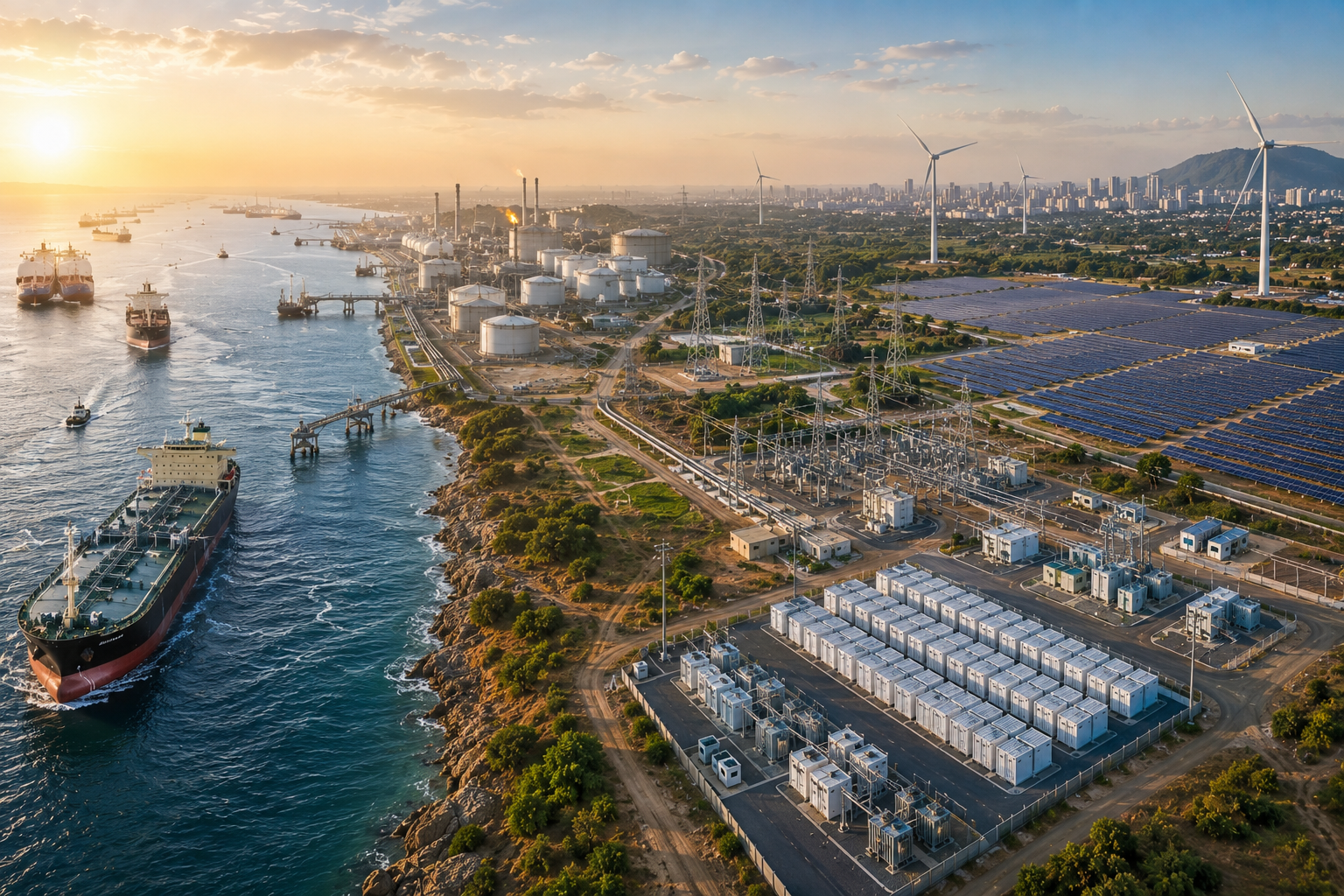
Hormuz Crisis Highlights the Cost of Fossil Fuel Dependence for India and Global Importers
The six-month Hormuz crisis has delivered a costly reminder of the economic risks associated with fossil fuel dependence.
According to a new analysis by the Centre for Research on Energy and Clean Air (CREA), fossil fuel importers paid an estimated USD 330 billion in additional costs for seaborne crude oil, petroleum products and LNG between March and August 2026, compared with what pre-war futures markets had anticipated.
India was among the countries most affected. CREA estimates that India faced a gross additional fossil fuel import cost of approximately USD 22 billion, placing it behind only the European Union and China in terms of the absolute burden.
The analysis highlights how geopolitical disruptions can quickly translate into higher energy costs for import-dependent economies. Between March and August, Asian LNG prices averaged 75% above pre-war expectations, while crude oil averaged 35% higher. Diesel and gasoil prices rose even more sharply, averaging 59% above expectations.
For India, the impact extends beyond crude oil. CREA’s analysis also points to higher costs for imported LPG, with India paying 29% more per tonne for cooking gas than markets had expected during the six-month period, while import volumes declined significantly in the early stages of the crisis.
However, the report also presents an important counterpoint: investments in clean energy have helped reduce exposure to volatile fossil fuel markets.
CREA estimates that clean-power generation added globally since 2020 helped fossil fuel-importing countries avoid approximately USD 36 billion in coal, oil and gas imports during the first five months of the crisis. The analysis identifies India among the countries benefiting from avoided fossil fuel purchases as renewable generation displaced part of the demand for imported fuels.
The broader lesson is becoming increasingly clear. Renewable energy is not only a climate strategy — it can also function as a form of energy-security infrastructure.
Solar, wind, battery storage, electrification and smarter electricity systems can reduce the volume of imported fuels required to power an economy. While they cannot eliminate every energy-security challenge, greater domestic clean-energy capacity can reduce exposure to sudden geopolitical disruptions and international fuel-price shocks. Recent reporting has also highlighted how disruptions around key maritime energy routes have increased supply and cost risks for major Asian importers, including India.
For India, the Hormuz crisis reinforces a larger strategic question:
How much of the country’s future energy security should depend on fuels whose prices and supply routes are vulnerable to events beyond its borders?
The answer may increasingly lie in building a more diversified energy system — one supported by domestic renewable generation, energy storage, grid flexibility and reduced dependence on imported fossil fuels.
The key takeaway: Energy transition is not only about cleaner power. It is also about reducing economic vulnerability, improving energy security and building greater resilience against global disruptions.