 openaccessexchange@gmail.com
 Mon - Fri: 9 AM to 8 PM


India stands at a decisive moment in its economic journey. As the country accelerates its ambitions of becoming a global manufacturing and innovation hub, policy reforms that unlock efficiency and competitiveness are critical. One such transformative reform is open access in the power sector. By allowing industries to procure electricity directly from power producers rather than solely through local distribution companies, open access can become a catalyst for industrial growth across India.
Under the framework established by the Central Electricity Regulatory Commission and supported by the Ministry of Power, open access enables large consumers to purchase electricity from generators of their choice using the existing transmission network. This shift introduces competition into the power market—an essential ingredient for efficiency and innovation.
For Indian industries, particularly energy-intensive sectors such as steel, cement, textiles, and chemicals, electricity constitutes a significant portion of production costs. Open access allows companies to negotiate better tariffs and access more reliable supply. Lower and predictable energy costs improve profit margins and make Indian products more competitive in global markets. This is particularly crucial as India positions itself as a manufacturing alternative under initiatives like Make in India.
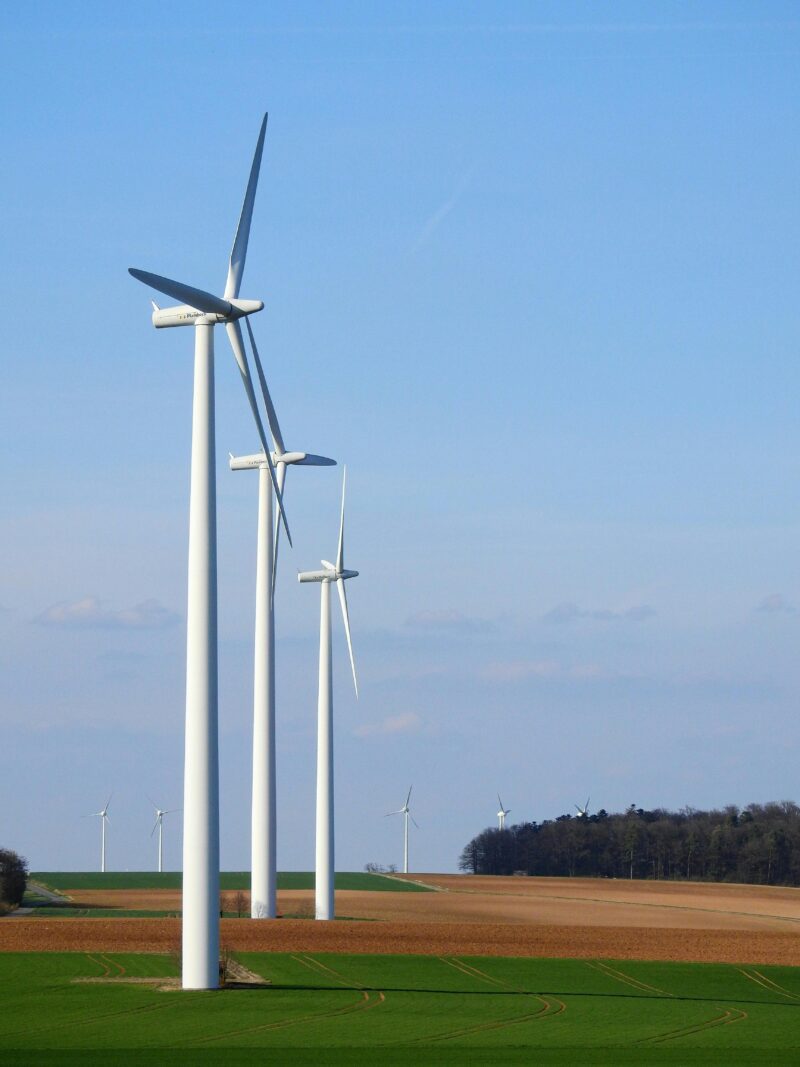
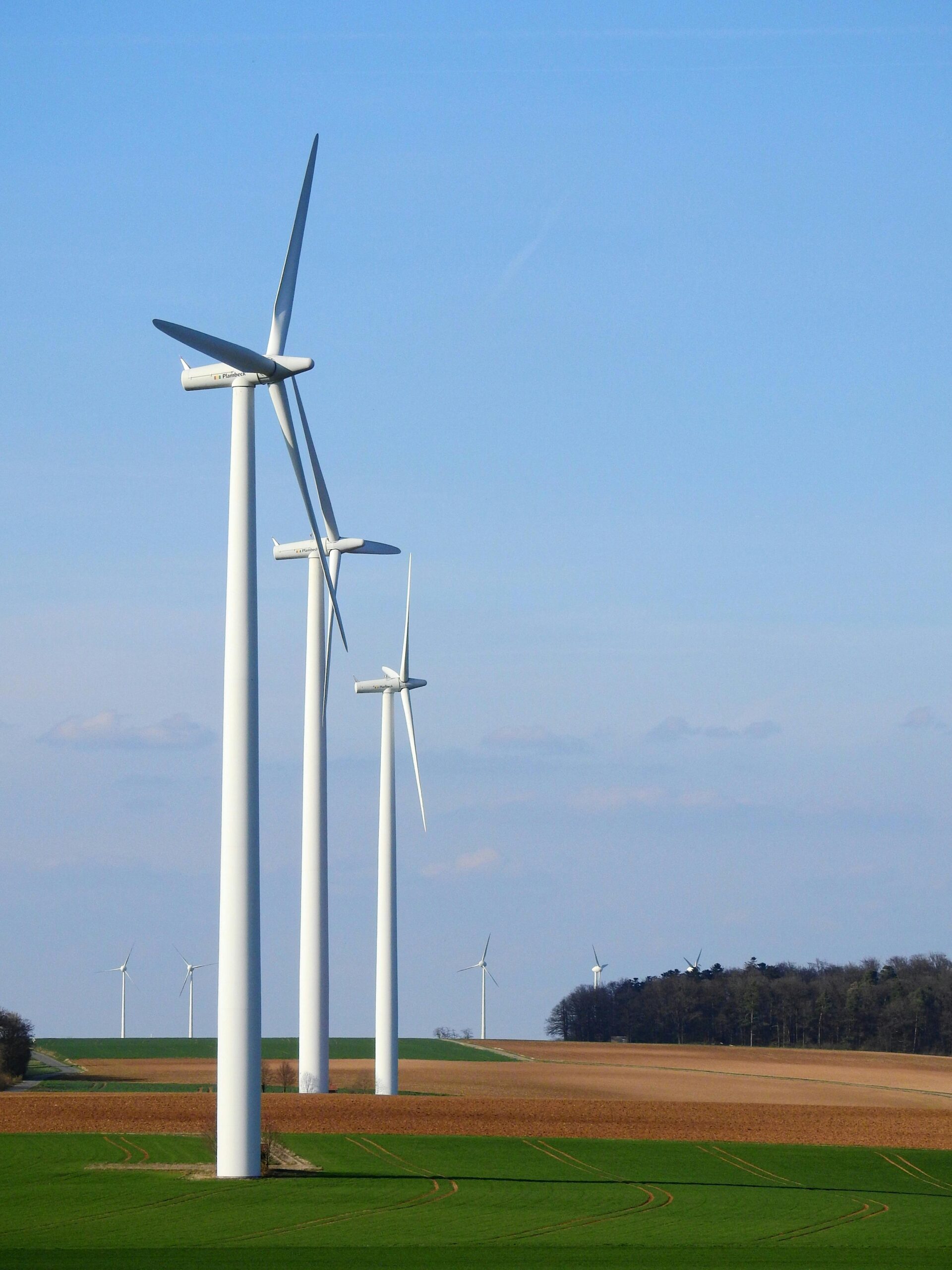
Another major advantage is access to renewable energy. With open access, industries can directly procure solar and wind power from independent producers. This aligns corporate growth with sustainability goals and helps companies meet Environmental, Social, and Governance (ESG) standards demanded by international investors and buyers. It also supports India’s renewable expansion targets set by the Ministry of New and Renewable Energy. Green power procurement enhances brand reputation while reducing long-term energy risks associated with fossil fuels.
Open access also stimulates investment in power generation and infrastructure. As demand from industries grows, private players are incentivized to develop more efficient plants and renewable projects. Increased competition encourages technological innovation, better grid management, and smarter energy solutions. Over time, this strengthens the entire energy ecosystem, benefiting not only large corporations but also small and medium enterprises indirectly through improved supply stability.
Moreover, reliable power supply reduces operational disruptions. Frequent outages and voltage fluctuations have historically constrained productivity in several industrial regions. Direct procurement arrangements often come with performance guarantees, ensuring higher quality supply. Improved reliability translates into higher output, reduced wastage, and stronger investor confidence.
Of course, implementation challenges remain. Issues such as cross-subsidy surcharges and regulatory inconsistencies across states need careful resolution. However, with continued policy clarity and coordinated reforms, these barriers can be gradually minimized.
Open access is more than a power sector reform—it is an economic enabler. By reducing costs, encouraging sustainability, fostering competition, and improving reliability, it empowers Indian industries to scale efficiently. As India advances toward becoming a $5 trillion economy, open access can play a decisive role in powering its industrial transformation and long-term growth.