 openaccessexchange@gmail.com
 Mon - Fri: 9 AM to 8 PM


India's Clean Energy Future: How Wind and Hybrid Power Are Leading the Way
India has a big energy problem. Over a billion people need power — for homes, factories, hospitals, and schools. For a long time, coal was the easy answer. But coal is dirty, expensive in the long run, and bad for the air we breathe. That’s why India has been making a strong push toward renewable energy — power that comes from nature and never runs out.
India has set an ambitious goal: 500 gigawatts of clean energy capacity by 2030. Solar has been getting most of the attention, but wind energy and hybrid systems are quietly becoming just as important.
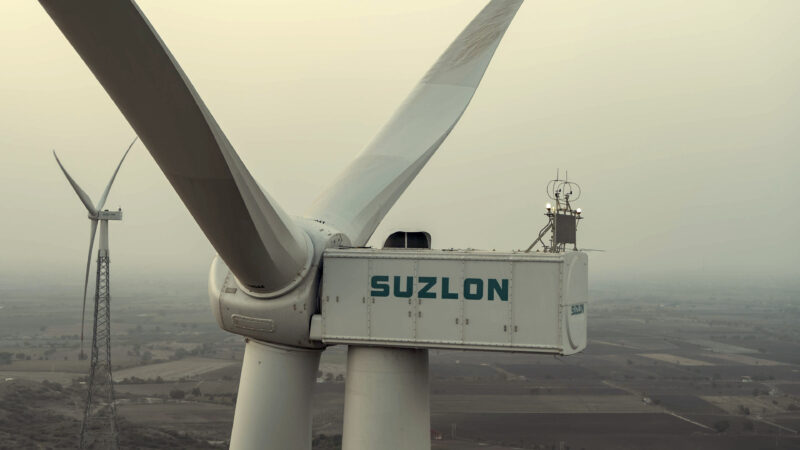
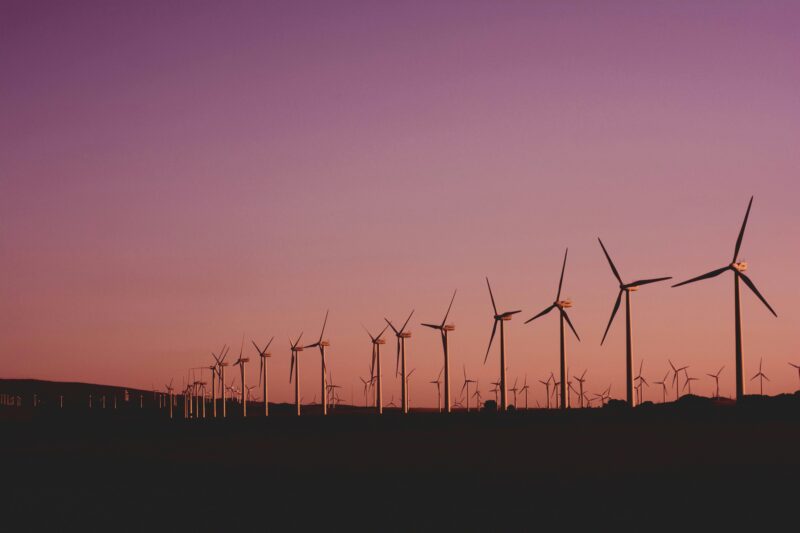
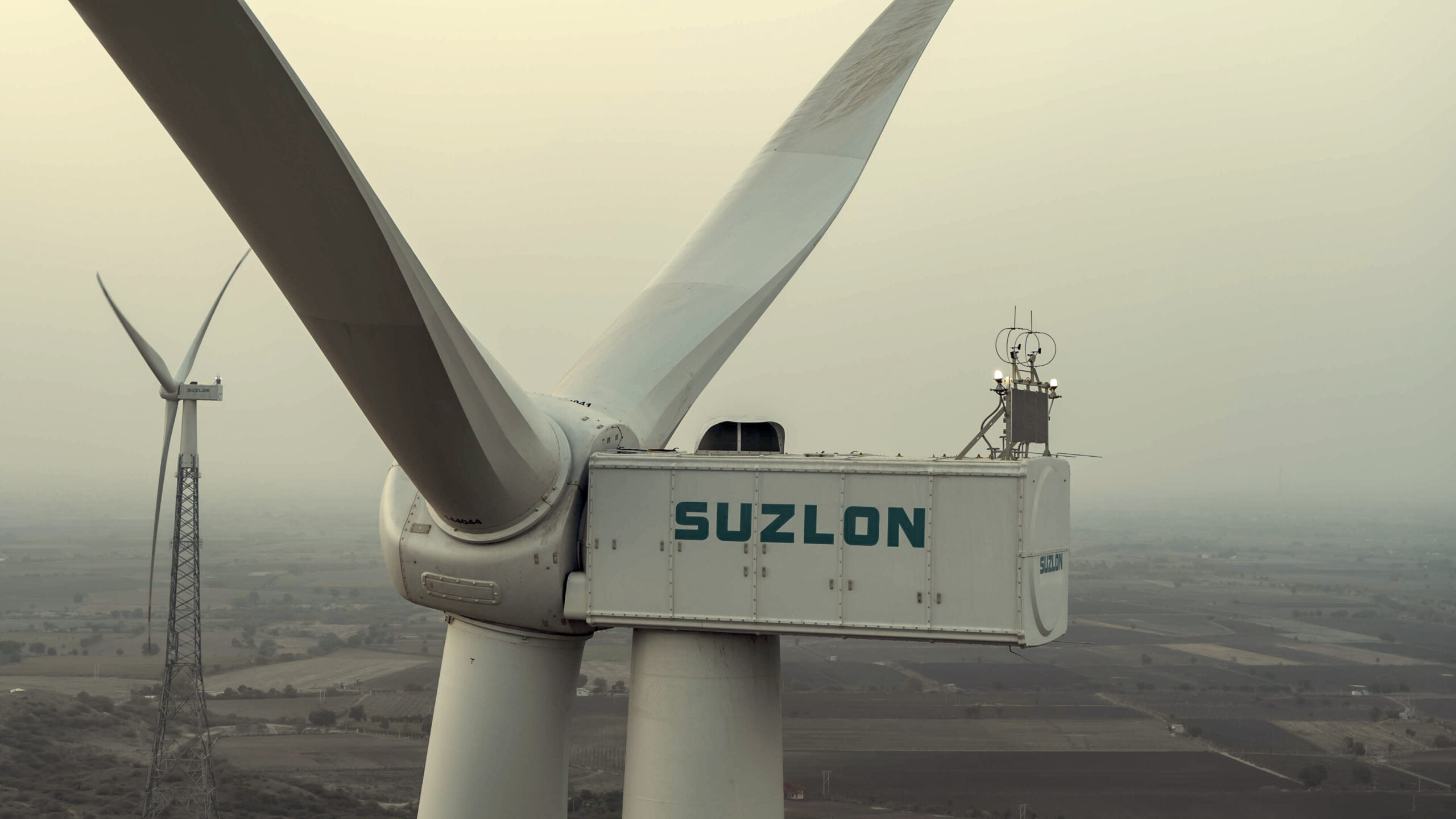
India is already among the top five countries in the world for wind energy. States like Tamil Nadu, Gujarat, Rajasthan, and Karnataka have strong, steady winds — making them perfect for wind farms. Tall turbines are placed in open land or along the coast, and as the wind blows, they spin and generate electricity.
Offshore wind — turbines placed out at sea — is the next big step. India’s long coastline gives it a great advantage here. Offshore winds are usually stronger and more consistent than winds on land. The government has already started planning offshore wind projects along the coasts of Gujarat and Tamil Nadu, which could add huge amounts of power to the grid.
One challenge with wind energy is that the wind doesn’t blow all the time. This is where the idea of hybrid energy comes in. The shift to wind and hybrid energy is not just good for the environment — it also creates jobs, reduces India’s dependence on imported fuel, and brings electricity to remote villages that were never connected to the main grid.
India’s clean energy story is still being written. But with wind in its sails and smart hybrid systems on the ground, the country is well on its way to a cleaner, more affordable, and more reliable energy future.