 openaccessexchange@gmail.com
 Mon - Fri: 9 AM to 8 PM


Breaking Import Dependency: How India’s Research Institutions are Powering the Green Transition
 March 30, 2026
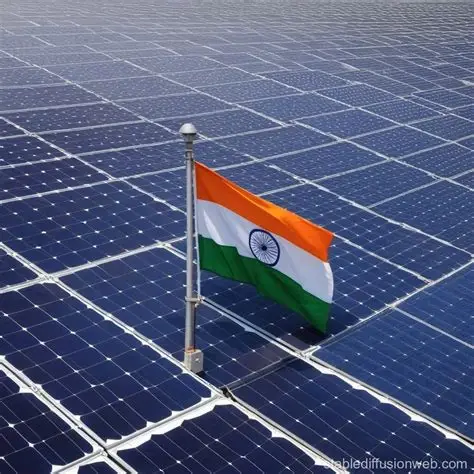
India is entering a new chapter in its renewable energy journey, shifting focus from merely installing capacity to developing the indigenous technologies that power it. According to recent industry reports, the government is significantly ramping up support for domestic Research and Development (R&D) to reduce the country’s long-standing reliance on imported solar cells, specialized wind turbine components, and energy storage materials. By fostering a local innovation ecosystem, India aims to not only meet its 500 GW non-fossil fuel target by 2030 but also establish itself as a global hub for cost-effective green technology exports.
A cornerstone of this transition is the advancement in High-Efficiency Solar Modules and Advanced Chemistry Cell (ACC) batteries. Leading Indian research institutions and private innovators are working on next-generation materials like perovskite solar cells and solid-state batteries, which promise higher efficiency and better performance in India’s diverse climatic conditions. These “made-in-India” solutions are crucial for overcoming the supply chain bottlenecks that have historically slowed down large-scale solar and wind deployments, ensuring that the country’s energy security is built on a foundation of sovereign technology.
Beyond hardware, the focus is also on Digital Grid Management and Green Hydrogen electrolyzers. Indigenous software solutions are being deployed to manage the intermittency of renewable power, ensuring a stable and reliable grid as more wind and solar are integrated. Simultaneously, the push for locally manufactured electrolyzers is expected to drive down the cost of green hydrogen production, making it a viable fuel for heavy industries like steel and cement. This holistic approach—combining advanced manufacturing with smart digital infrastructure—is positioning India as a leader in the global race toward a sustainable, self-reliant energy future.