 openaccessexchange@gmail.com
 Mon - Fri: 9 AM to 8 PM


 March 17, 2026
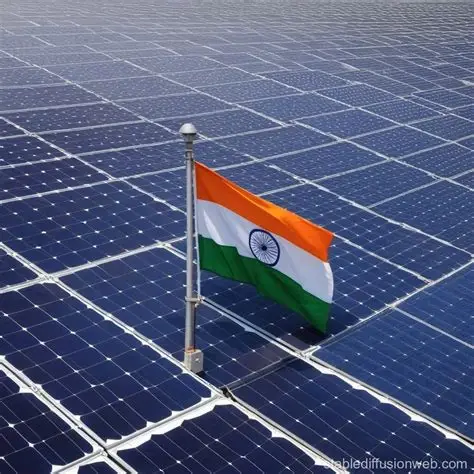
 India has achieved a major milestone in its energy transition by crossing 50% of its installed electricity capacity from non-fossil fuel sources, moving faster than its planned targets. The achievement was reached in 2025, nearly five years ahead of the country’s commitment under international climate goals, showing strong growth in renewable energy such as solar and wind.
According to official data, India’s total installed power capacity stood at over 513 GW by the end of 2025, with around 266 GW coming from non-fossil fuel sources, accounting for more than half of the total capacity. This marks a significant shift toward cleaner energy and reflects the rapid expansion of renewable power projects across the country.
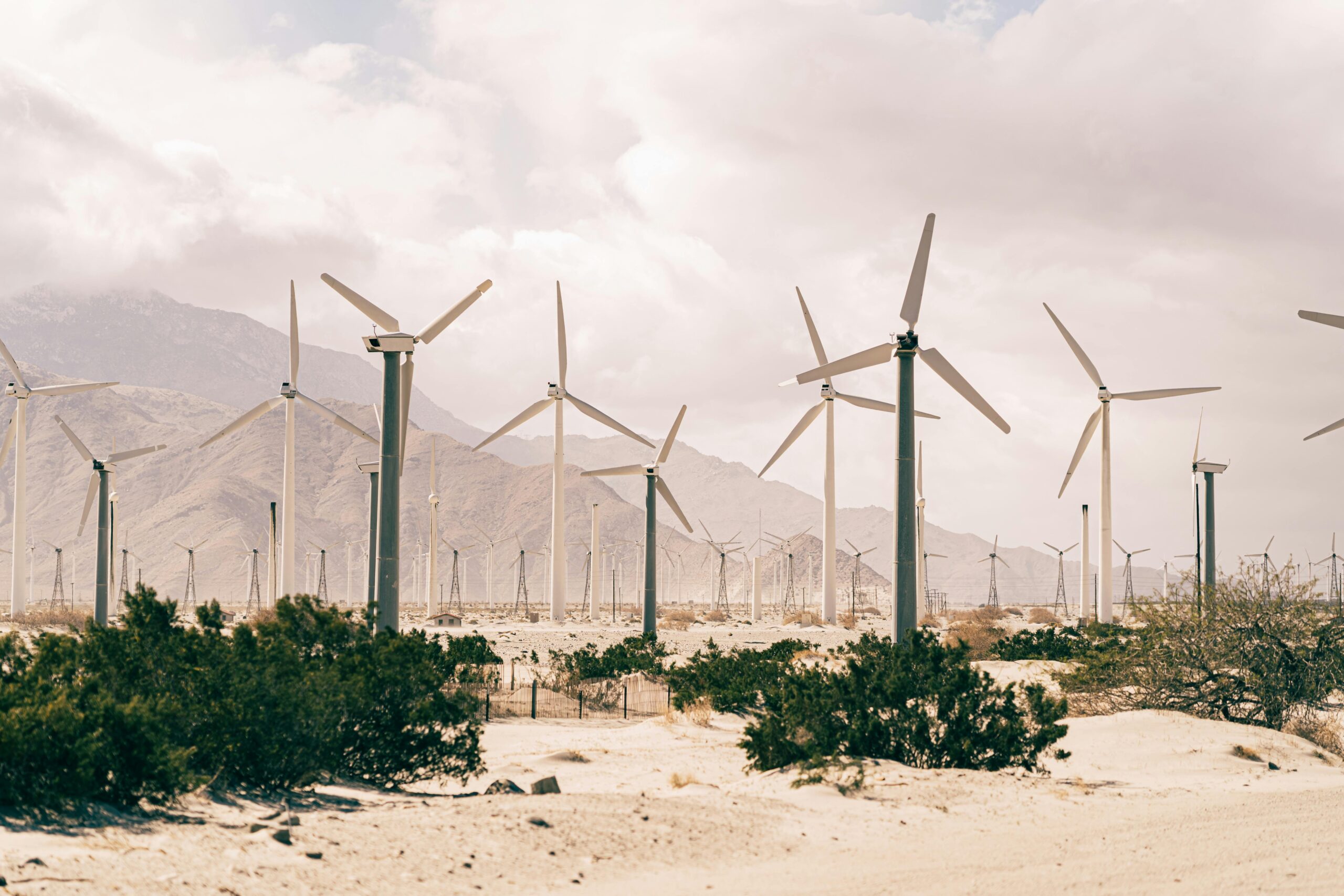
The growth has been driven mainly by renewable energy additions during the year. In 2025 alone, India added about 48 GW of renewable capacity, including nearly 38 GW of solar power and over 6 GW of wind energy. Solar energy has emerged as the largest contributor, supported by falling costs, government policies, and large-scale installations.
The milestone is an important step toward India’s long-term target of achieving 500 GW of non-fossil fuel capacity by 2030 and reaching net-zero emissions by 2070. Officials say the progress strengthens energy security, reduces dependence on imported fuels, and supports climate commitments.
Despite this achievement, fossil fuels, especially coal, still play a key role in meeting electricity demand. Experts note that while installed capacity has shifted toward clean sources, further improvements in grid infrastructure, storage systems, and power distribution will be needed to fully utilize renewable energy.
Overall, crossing the 50% mark highlights India’s rapid progress in clean energy and signals strong momentum toward a more sustainable and diversified power system in the coming years.