 openaccessexchange@gmail.com
 Mon - Fri: 9 AM to 8 PM


 January 23, 2026
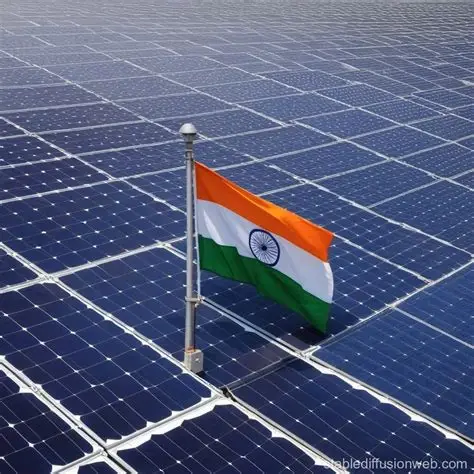
 The Government of India has released the Draft National Electricity Policy 2026, a wide-ranging plan to modernise the country’s power sector, lower costs, support cleaner energy and strengthen electricity supply for homes, businesses and industries. The policy proposes major reforms in power pricing, grid planning, renewable energy integration and infrastructure upgrades to meet rising demand and align with national climate goals.
The draft policy sets ambitious targets for electricity consumption, aiming to raise per-person use to 2,000 kWh by 2030 and over 4,000 kWh by 2047 as India’s economy grows and electrification deepens. It supports the country’s commitments to reduce emissions intensity by 45 % by 2030 and reach net-zero carbon emissions by 2070, driving a shift toward low-carbon energy sources such as solar, wind, hydro and nuclear power.
A key feature of the policy is tariff reform: automatic annual tariff adjustments linked to an index if state regulators fail to set rates, and a plan to phase out cross-subsidies that inflate costs for businesses and industries. This is intended to create cost-reflective pricing, improve the financial health of distribution companies (DISCOMs), and make electricity more affordable and predictable.
To strengthen reliability, the draft envisions advanced planning frameworks where utilities and grid operators prepare resource adequacy plans, coordinated at both state and national levels. Enhanced grid operations and governance measures are also proposed to support real-time integration of distributed energy resources and reduce technical and commercial losses in distribution to single-digit levels.
The policy promotes renewable energy expansion and storage deployment through market-based mechanisms and encourages distributed generation and peer-to-peer energy trading. By 2030, renewable and conventional power sources are to be given equal scheduling rights on the grid, helping increase the share of clean power while maintaining reliability.
Investment and infrastructure development are central to the vision, with the draft outlining major transmission and distribution reforms, including shared network access and a proposed Distribution System Operator (DSO) model to integrate renewables and storage more effectively. The policy also highlights the need for skills development and advanced technologies to support a modern, resilient and efficient power sector.
If adopted, the Draft National Electricity Policy 2026 would replace the existing framework and guide India’s electricity system evolution over the next two decades, balancing economic growth, environmental sustainability and long-term energy security.