 openaccessexchange@gmail.com
 Mon - Fri: 9 AM to 8 PM


 February 4, 2026
 India’s Union Budget 2026 has sent strong fiscal signals for economic stability and some elements of the energy transition, yet support for key clean energy enablers such as grid infrastructure, storage and transport electrification remains patchy and fragmented, warns a report from the Institute for Energy Economics and Financial Analysis (IEEFA). The analysis highlights both positive allocations and significant gaps in the budget’s backing of India’s shift to a low-carbon power system.
The budget reinforces broader fiscal discipline with a target to reduce the fiscal deficit to 4.4 % of GDP in FY2026–27 and aims to lower the debt-to-GDP ratio, steps seen as important for economic confidence. However, when evaluated through the lens of India’s energy transition, the IEEFA report notes that while some support exists for decentralised renewable energy and select clean energy supply chains, crucial areas such as transmission upgrades and energy storage deployment received smaller allocations than the previous year, and funding for wind energy remained unchanged, potentially weakening the backbone needed for high renewable integration.
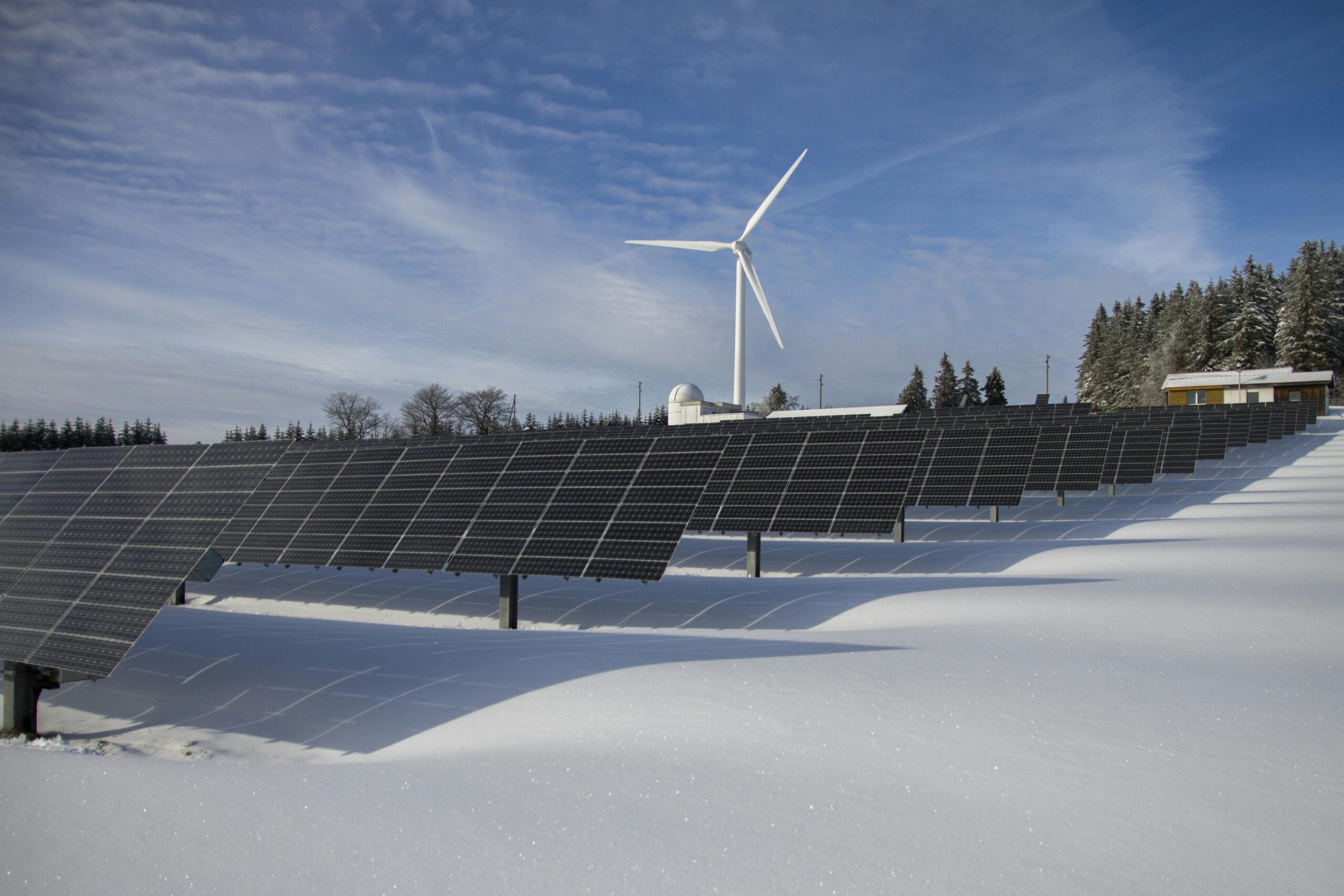
On the positive side, funding for the PM Surya Ghar Muft Bijli Yojana was increased substantially to accelerate rooftop solar adoption, and higher allocations for bioenergy and critical mineral processing signal intent to localise supply chains for batteries and solar components. Customs duty exemptions and incentives for lithium-ion battery production, solar glass manufacturing, and related clean energy inputs were also highlighted as supportive of domestic capacity building.
Despite these measures, the report emphasises that investment in grid augmentation and long-duration storage, which are essential to integrate growing renewable output and manage variability, has declined compared with last year’s budget, risking curtailment and grid reliability issues. Measures to foster transport electrification beyond two- and three-wheelers, particularly for buses, trucks and passenger cars, were also seen as insufficient given worsening urban air pollution and emissions challenges.
The IEEFA analysis further observes that significant budgetary support for coal gasification, carbon capture and nuclear energy contrasts with the relatively limited near-term support for renewable grid integration and electrification sectors, raising questions about cost-efficiency and deployment timelines in the context of India’s clean energy goals.
Overall, while Budget 2026 maintains strong macroeconomic goals and includes important clean energy elements, the fragmented nature of its support highlights the need for more targeted investments in infrastructure and technology to ensure a reliable, affordable and accelerated energy transition for India.