 openaccessexchange@gmail.com
 Mon - Fri: 9 AM to 8 PM


India’s Renewable Energy Sector Shows Strong Growth in February 2026

India’s renewable energy sector recorded major developments in February 2026, including record solar installations, higher electricity trading volumes, and continued growth in rooftop solar adoption. The updates highlight the rapid expansion of clean energy projects, supportive government policies, and increasing demand from industries and consumers for renewable power.
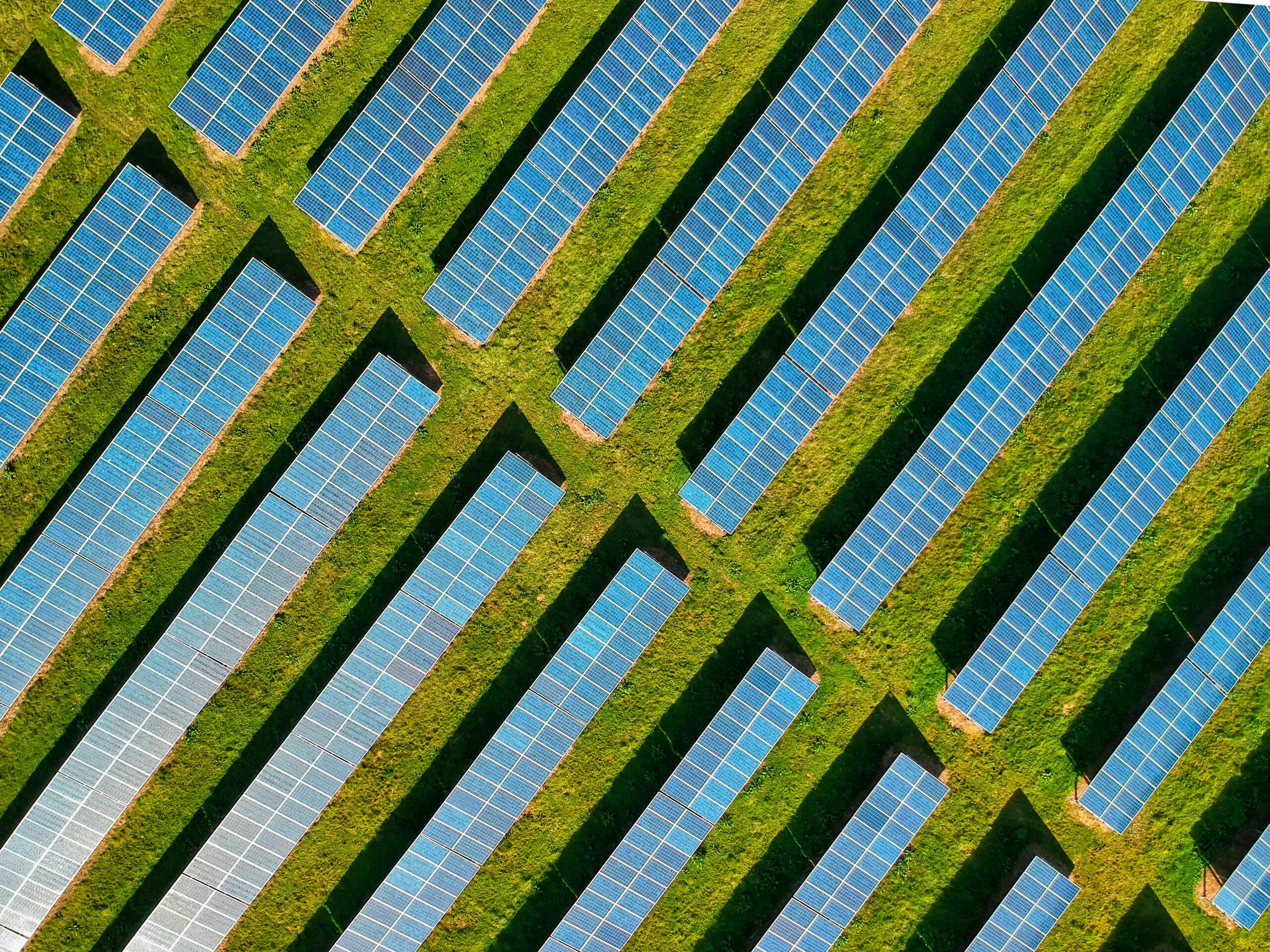
One of the key highlights was India’s record solar capacity additions in 2025. The country installed 36.6 GW of new solar capacity during the year, representing a 43% increase compared to the 25.6 GW added in 2024. The surge reflects stronger project deployment and the expansion of both utility-scale and distributed solar installations across the country.
Rooftop solar installations also expanded rapidly. The segment saw significant growth as more households, commercial establishments, and industries installed rooftop systems to reduce electricity costs and meet sustainability targets. Increased policy support and subsidy programs have played an important role in encouraging consumers to adopt rooftop solar solutions.
The power trading market also showed strong activity. The Indian Energy Exchange (IEX) reported electricity trading volumes of 12,550 million units in February 2026, marking a 30.4% year-on-year increase. The exchange also recorded its highest daily average trading volume of 448 million units, indicating growing demand for electricity trading platforms.
At the same time, corporate participation in renewable energy continued to grow. Large companies are increasingly entering power purchase agreements and investing in renewable projects to secure clean energy supply and lower operational costs. The demand from commercial and industrial consumers has been a major driver behind the growth of open-access renewable projects across India.
Overall, the developments reported during February show that India’s renewable energy sector continues to expand quickly with higher installations, increased market activity, and stronger participation from both government and private companies. These trends are expected to support the country’s long-term transition toward cleaner and more sustainable energy sources.