 openaccessexchange@gmail.com
 Mon - Fri: 9 AM to 8 PM


India’s Renewable Transition Caught Between Stranded Power and Institutional Inertia
 March 9, 2026
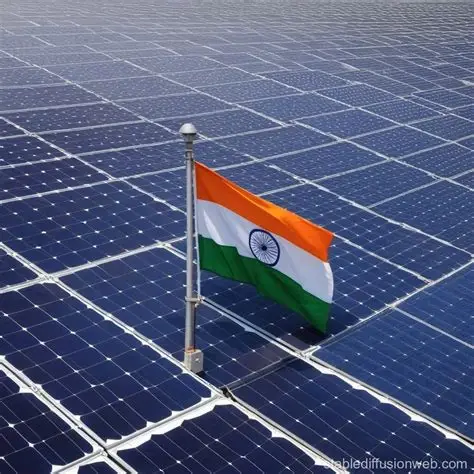
India’s shift toward renewable energy is progressing rapidly, but structural and institutional barriers are slowing its full transformation. Despite ambitious targets and large investments in solar and wind power, the country’s energy transition faces challenges such as unused renewable capacity, regulatory hurdles, and slow reforms in the power sector.
One major issue is the growing amount of “stranded power”—renewable energy capacity that cannot be fully utilized due to grid limitations, transmission bottlenecks, or lack of demand. Large solar and wind projects are sometimes forced to curtail generation because the grid cannot absorb the electricity during peak production periods. This leads to financial stress for developers and reduces the efficiency of renewable investments. Industry reports indicate that tens of gigawatts of renewable capacity in India remain stranded due to such infrastructure and regulatory delays.
Another challenge is institutional inertia within the electricity sector, especially among state distribution companies (DISCOMs). Many utilities remain financially weak and are reluctant to purchase renewable electricity under long-term power purchase agreements. In some cases, they prefer cheaper short-term power from conventional sources or delay payments to renewable developers, creating uncertainty in the market.
The structure of India’s power system also contributes to the problem. Although renewable capacity is increasing quickly, coal still dominates electricity generation, providing a majority of the country’s power supply. This creates a dual-track energy system where renewables expand rapidly but fossil fuel infrastructure continues to grow to ensure reliability and meet rising demand.
Grid management and storage capacity are additional bottlenecks. Solar and wind generation are intermittent, and without sufficient energy storage or flexible grid operations, surplus power during peak generation periods often goes unused. Experts argue that India needs stronger transmission networks, battery storage, and demand-side management to integrate higher shares of renewable energy effectively.
Despite these challenges, India’s renewable transition is still gaining momentum. The country has already achieved more than half of its installed electricity capacity from non-fossil sources and aims to reach 500 GW of non-fossil power capacity by 2030.
Overall, the article highlights that India’s clean energy shift is not just a technological transition but also an institutional one. Overcoming regulatory inertia, improving grid infrastructure, and strengthening financial health in the power sector will be crucial for ensuring that renewable energy capacity translates into actual clean electricity generation.