 openaccessexchange@gmail.com
 Mon - Fri: 9 AM to 8 PM


India’s Solar Power Growth Could Create Big Waste Problem Without Recycling Plan
 December 26, 2025
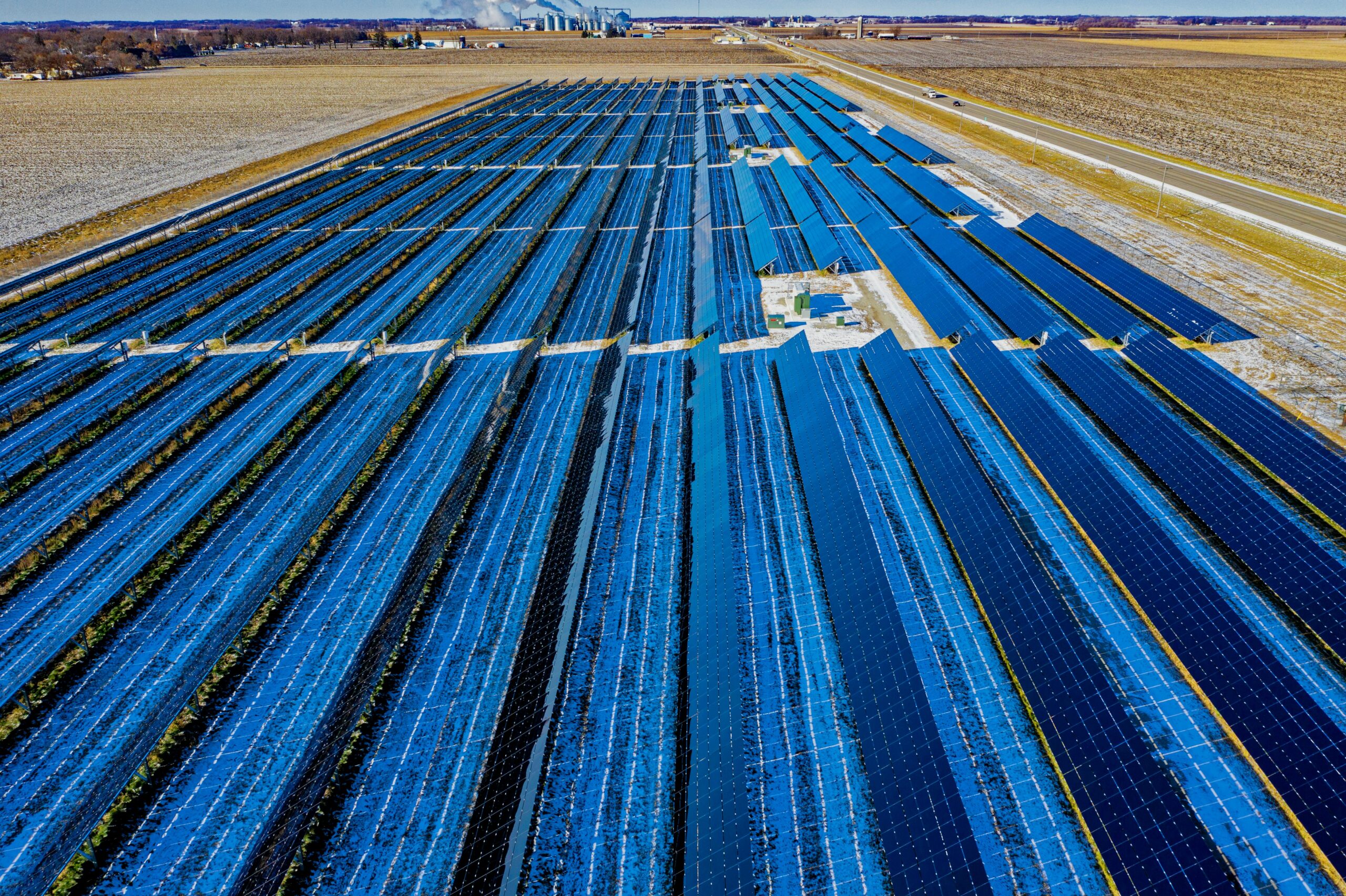
India’s rapid expansion of solar energy, which has helped cut reliance on fossil fuels and made the country one of the world’s largest solar producers, may soon face a serious environmental challenge because of a lack of infrastructure to manage old and discarded solar panels, according to a recent report. The report says that while solar power now forms a significant part of India’s energy capacity, the country currently has few facilities to recycle retired panels, which can contain harmful materials like lead and cadmium. Experts warn that without substantial investment in recycling capabilities, India could generate millions of tones of solar waste in the coming decades, posing risks to soil and water quality. A study by the Council on Energy, Environment and Water (CEEW) estimates that by 2047 India could produce more than 11 million tones of solar panel waste if recycling infrastructure isn’t rapidly developed. Managing this volume of waste would require nearly 300 specialized recycling facilities and billions of dollars in funding, the analysis suggests.
Currently, India does not have comprehensive official data on solar waste and only a small number of recycling units. Most solar panels last about 25 years, meaning the largest wave of waste is still years away, but experts warn that planning must begin now to avoid a future crisis.
The report highlights that although solar technology helps reduce carbon emissions, its environmental benefits can be undermined if end-of-life disposal is ignored, underlining the need for policy and investment to address solar panel recycling and safe waste handling.