 openaccessexchange@gmail.com
 Mon - Fri: 9 AM to 8 PM


India’s Strategic Opportunity to End Fossil Fuel Dependency
 April 3, 2026
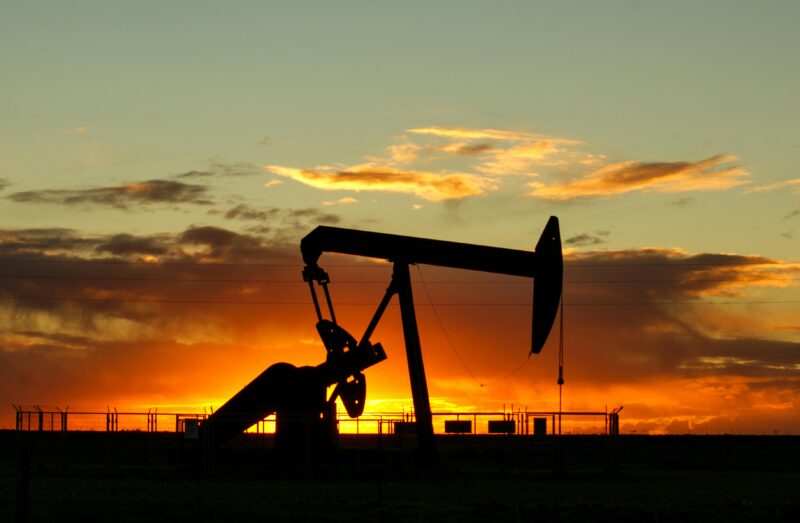
For decades, India’s economy has been tethered to the volatile swings of global oil and gas markets. From the 2008 price spikes to the current Middle East crisis, every major geopolitical disruption has exposed a fundamental structural weakness: a deep dependence on imported fossil fuels. According to a recent analysis by Climate Analytics, this vulnerability isn’t just episodic—it’s systemic. With India importing nearly 90% of its crude oil and half of its fossil gas, the country remains structurally tied to fuels it cannot control, leading to widened trade deficits and persistent inflation whenever global supply tightens.
A key highlight of the report is the role of coal as a “shock absorber.” When gas prices soar or supplies become unstable, India traditionally ramps up its coal plants to maintain the grid. However, experts warn that this provides only short-term resilience while reinforcing long-term vulnerability. Continued coal expansion risks “locking in” expensive, long-lived infrastructure that could become stranded assets as cleaner, more cost-competitive technologies like solar and wind continue to scale. To align with a 1.5°C climate pathway, India’s solar and wind generation needs to grow five- to six-fold by 2030, moving from a supportive role to the primary driver of the energy mix.
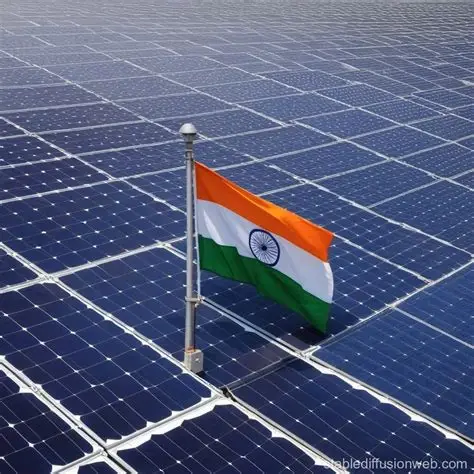
The strategic “pivot” required to break this cycle is large-scale electrification. By shifting transport, buildings, and industry toward electricity powered by domestic renewables, India can directly reduce its exposure to international import shocks. With utility-scale solar tariffs now among the lowest globally (INR 2–3/kWh), the economics have shifted decisively in favor of green energy. The challenge now is achieving policy coherence—ensuring that short-term emergency measures, like running imported-coal plants at full capacity, do not derail the long-term goal of building a resilient, sovereign energy system that protects both the economy and the climate.