 openaccessexchange@gmail.com
 Mon - Fri: 9 AM to 8 PM


KPI Green Energy Adds 24.2 MW More Solar Power to Its Project
 March 13, 2026
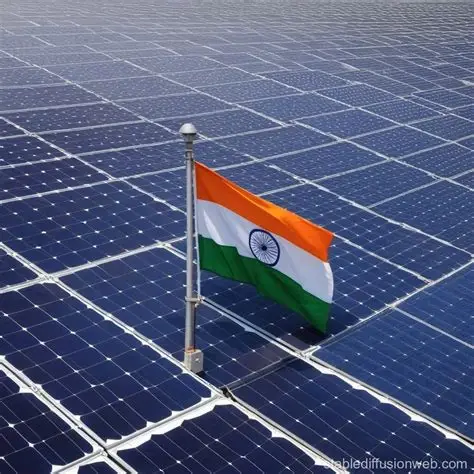
KPI Green Energy has commissioned an additional 24.2 megawatts (MW) of solar power capacity as part of its ongoing renewable energy project in Gujarat. The new capacity addition is part of a 250 MW grid-connected solar power project awarded by Gujarat Urja Vikas Nigam Limited (GUVNL) through a competitive bidding process. The announcement marks another step in the phased development of the project and contributes to India’s growing solar energy capacity.
The company confirmed that the latest commissioning includes 24.2 MW of alternating current (AC) capacity and about 35.01 MW of direct current (DC) capacity. With this addition, the total operational capacity of the project has reached 48.4 MW AC (69.41 MW DC). The solar project is being developed in phases so that electricity generation can begin gradually while construction continues on the remaining sections.
The project is part of a larger 250 MW AC / 350 MW DC grid-connected solar photovoltaic facility being developed by KPI Green Energy under the independent power producer (IPP) model. The power generated from the project will be supplied to the grid under agreements with the state power utility.
According to the company, the phased commissioning strategy allows the plant to begin delivering electricity earlier while construction continues. This approach also helps strengthen the electricity supply to the regional grid and supports the increasing demand for renewable power.
KPI Green Energy stated that the overall project is progressing steadily and is scheduled for full completion by October 2026. Once fully operational, the solar facility will significantly increase the company’s renewable energy generation capacity and support Gujarat’s efforts to expand clean energy production.
Industry observers note that such incremental solar capacity additions play an important role in expanding India’s renewable energy infrastructure. Projects like this not only increase installed capacity but also help reduce reliance on fossil-fuel-based electricity while improving grid stability and supply diversity.