 openaccessexchange@gmail.com
 Mon - Fri: 9 AM to 8 PM


Maharashtra Budget Focuses on Renewable Energy to Achieve Energy Independence
 March 7, 2026
The government of Maharashtra has placed strong emphasis on expanding renewable energy and strengthening grid stability in its 2026–27 state budget, aiming to achieve long-term energy independence. Chief Minister Devendra Fadnavis described the energy sector as the foundation of a “Viksit Maharashtra,” outlining a strategy to gradually shift the state’s power generation from a thermal-dominated system toward a mix of solar, wind and pumped storage projects.
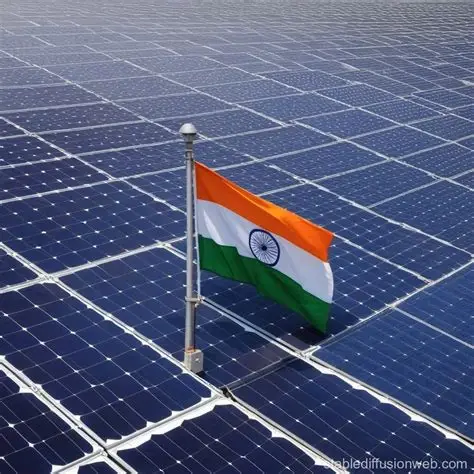
The government has set a major target to add 45 GW of new power capacity by 2032, while increasing the share of renewable energy in the state’s power mix from 13 % to about 52 % by 2030. As part of this transition, Maharashtra is implementing what officials describe as Asia’s largest decentralised solar programme, which aims to produce 16 GW of solar power by the end of 2026. The programme is expected to add roughly 500 MW of solar capacity each month as installations accelerate across the state.
A key element of the strategy is the plan to shift agricultural electricity demand to solar power. The state government intends to solarise agricultural feeders and expand solar pump installations, allowing farmers to receive cheaper electricity during the daytime. Officials estimate that this transition could reduce the cost of electricity for farmers from about ₹8 per unit to below ₹3, while also reducing the subsidy burden placed on industrial and commercial consumers. Maharashtra already accounts for nearly 60 % of solar pump installations in India, and the government plans to cross one million solar pumps in the near future.
To address the intermittent nature of renewable energy such as solar and wind, the budget places strong emphasis on pumped storage projects (PSPs). These facilities can store surplus electricity generated during the day and release it during peak demand hours at night, helping maintain grid reliability. The state has fast-tracked 55 memorandums of understanding for pumped storage projects, representing a combined potential capacity of 78,215 MW and an estimated ₹4.16 lakh crore in investments.
The renewable push forms a central pillar of Maharashtra’s long-term energy policy, aimed at ensuring stable electricity supply, reducing dependence on fossil fuels and lowering overall energy costs. By expanding solar generation, improving storage capacity and modernising grid infrastructure, the state government aims to strengthen energy security while supporting India’s broader transition toward cleaner and more sustainable power systems.