 openaccessexchange@gmail.com
 Mon - Fri: 9 AM to 8 PM


 March 14, 2026
 India’s rapid expansion of renewable energy is facing a major challenge due to bottlenecks in the power grid and transmission system, which are preventing large amounts of clean electricity from reaching consumers. Energy experts and policymakers recently highlighted that the main barrier to renewable energy growth in the country is no longer power generation, but the lack of adequate transmission infrastructure and grid management capacity.
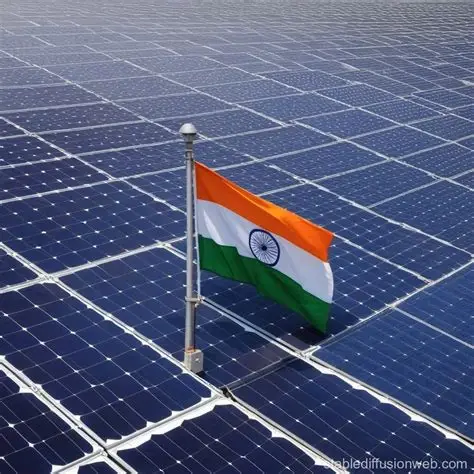
Over the past few years, India has significantly increased its renewable energy installations, including solar and wind projects. The country has already crossed 50% non-fossil fuel capacity in its total installed power capacity, marking an important milestone in its clean energy transition. However, transmission networks have not expanded at the same pace as generation capacity, leading to congestion in the power grid.
One of the key problems is that renewable energy-rich states often produce more electricity than the grid can transmit to demand centers. For instance, Rajasthan has around 23 GW of renewable capacity but can evacuate only about 18.9 GW through the grid, meaning thousands of megawatts of electricity cannot be transmitted during peak production periods. As a result, more than 4,000 MW of fully operational renewable capacity remains unused at certain times because the grid cannot handle the load.
Another issue affecting renewable energy projects is the way the grid manages congestion. In some cases, projects that use temporary grid access—known as Temporary General Network Access (T-GNA)—are forced to shut down completely when congestion occurs. Experts say that if the burden of congestion were shared more evenly, renewable projects would face only limited power losses instead of complete shutdowns during peak hours.
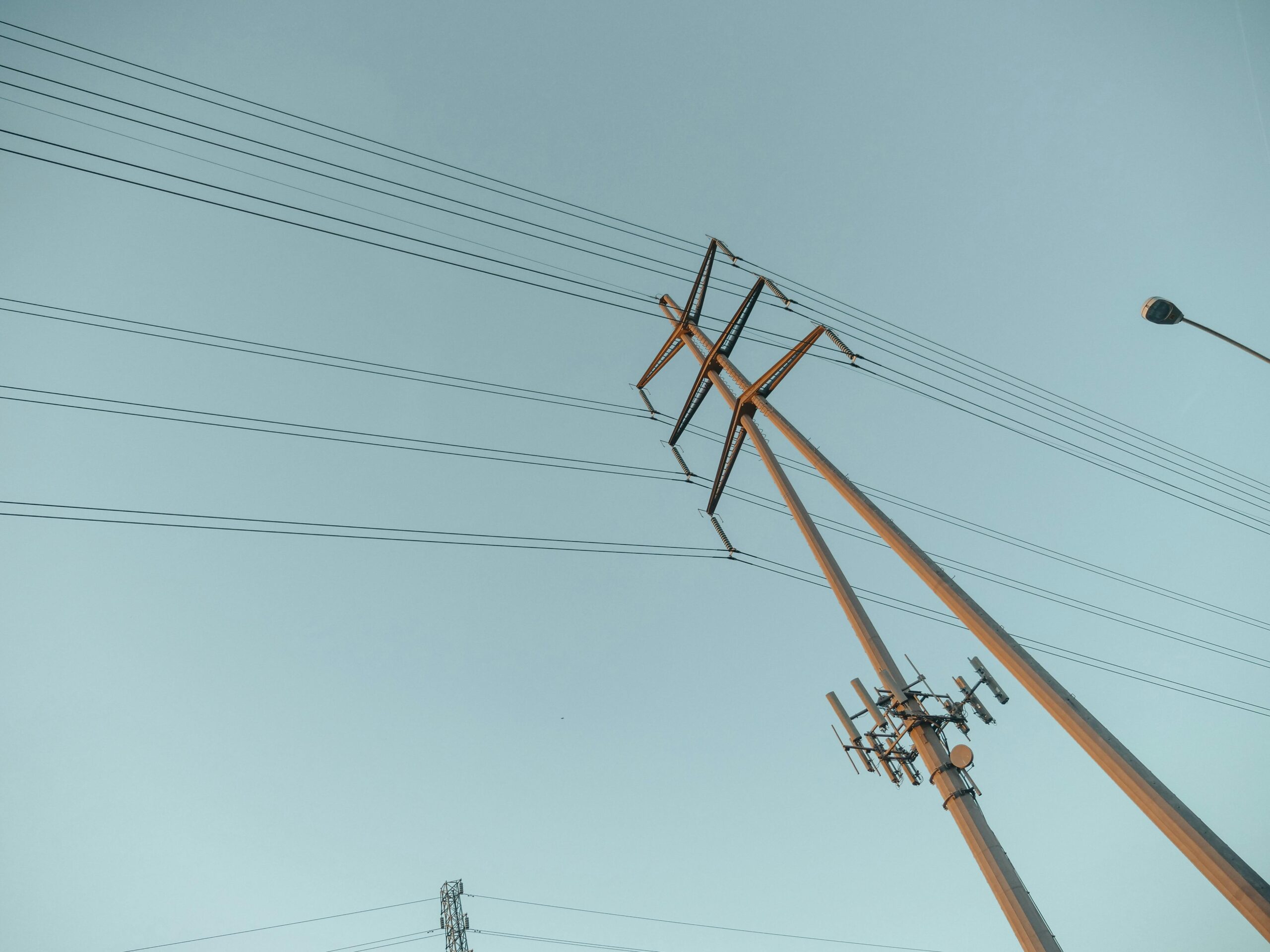
Specialists have suggested several measures to address these challenges. These include expanding transmission networks, improving coordination between grid planners and operators, introducing fair curtailment rules, and increasing the use of energy storage systems. Advanced grid management technologies and better planning are also considered essential to handle the growing share of renewable electricity.
Addressing these grid bottlenecks will be critical for India as it continues its clean energy transition. With ambitious targets such as achieving net-zero emissions by 2070, strengthening the country’s power transmission and grid infrastructure will play a key role in ensuring that renewable energy projects can deliver electricity efficiently across the country.