 openaccessexchange@gmail.com
 Mon - Fri: 9 AM to 8 PM


Renewable Energy Update: India Adds 547 MWh of Storage Capacity as C&I Adoption Accelerates
 March 26, 2026
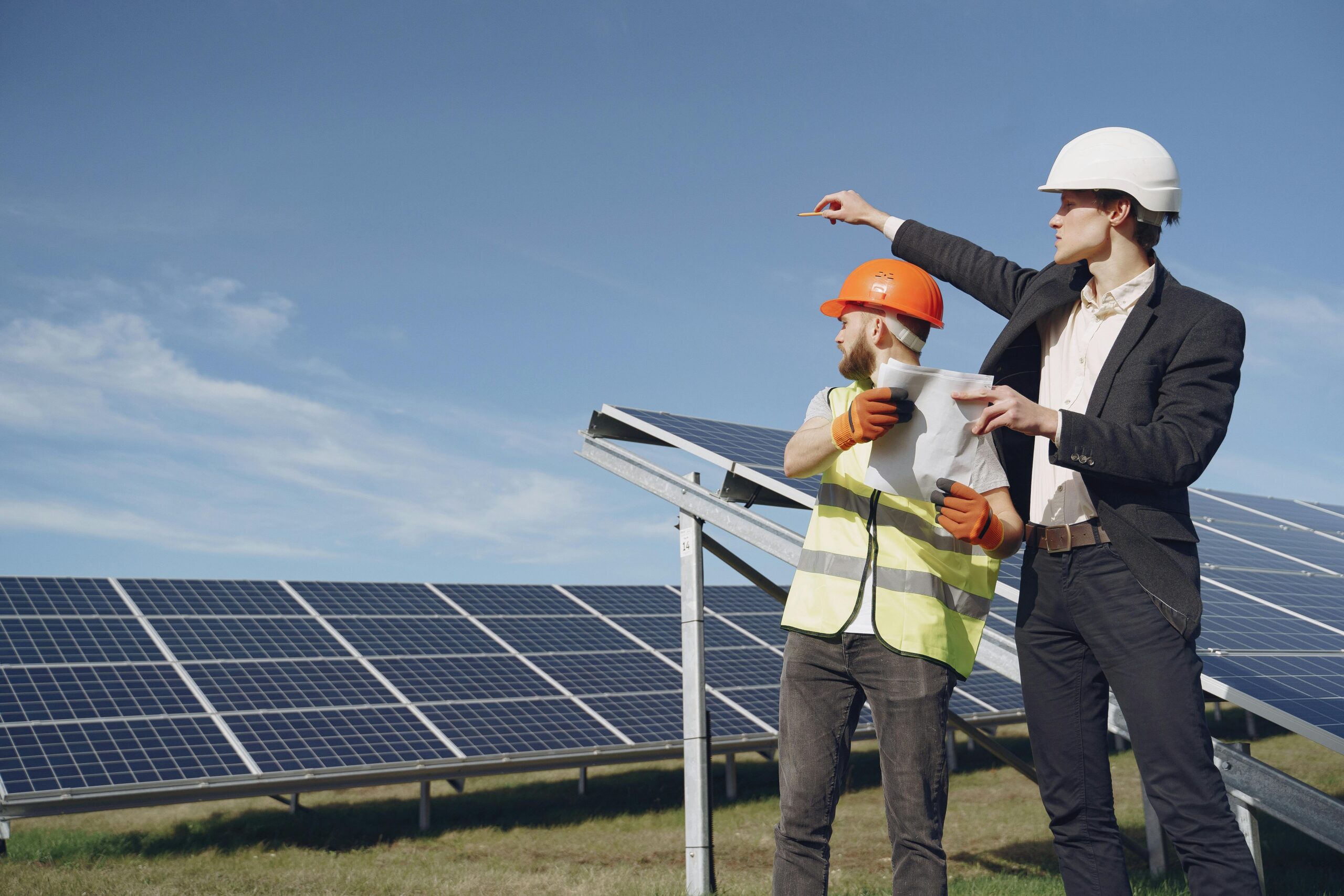
India’s energy storage sector achieved a significant milestone in 2025, with a 26% year-over-year increase in capacity. According to the latest industry research, the country added nearly 547 MWh of battery storage, up from 433 MWh the previous year. This growth is being mirrored in the commercial and industrial (C&I) sectors, where businesses are rapidly adopting renewable energy solutions. Rising electricity tariffs are the primary driver, pushing companies toward rooftop solar and green open access to secure long-term energy independence and lower their carbon footprint.
On the regulatory front, the Central Electricity Regulatory Commission (CERC) has been active in approving competitive tariffs for large-scale projects. Notable approvals include a tariff of ₹2.45 per unit for 1,200 MW of SECI solar projects and similar rates for 1,000 MW of SJVN projects in Rajasthan. Furthermore, the Commission has cleared tariffs for massive solar-plus-storage initiatives, including a 2,000 MW solar portfolio coupled with 4,000 MWh of storage. These approvals provide the necessary clarity for developers to move forward with critical infrastructure that will stabilize the national grid.
The government is also focusing on future technologies and workforce development to sustain this momentum. New initiatives have been launched to implement specialized skilling and upskilling programs under the National Green Hydrogen Mission. Simultaneously, major entities like NHPC and Power Grid are inviting bids for extensive rooftop solar projects on government buildings and new transmission systems for green hydrogen hubs. For the private sector, these developments signal a maturing market where diverse clean energy options—from wind to hydrogen—are becoming increasingly accessible and cost-competitive.