 openaccessexchange@gmail.com
 Mon - Fri: 9 AM to 8 PM


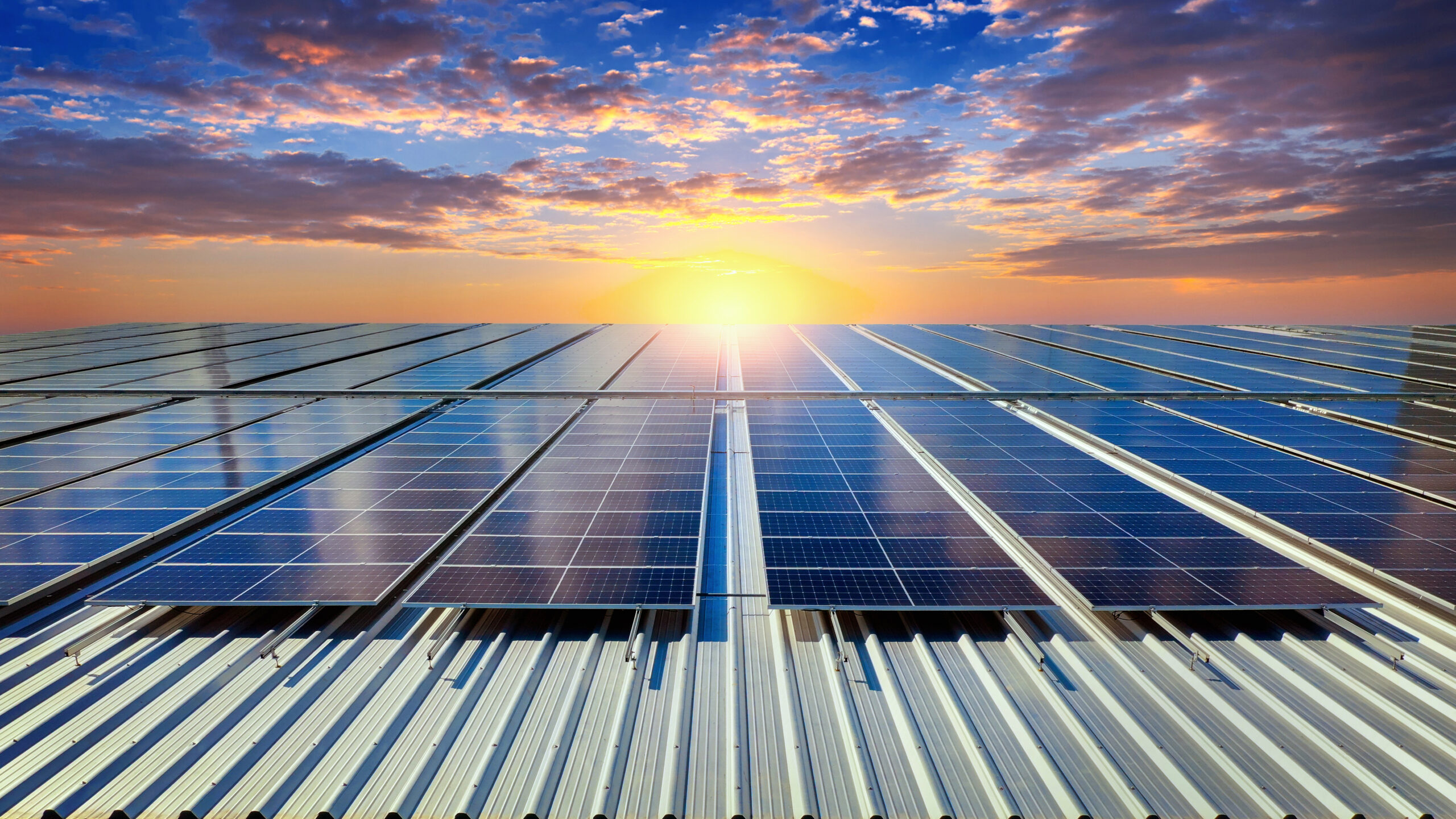
Tamil Nadu Introduces New Green-Energy Open-Access Rules to Expand Renewable Power Use
 September 29, 2025
Chennai – The Tamil Nadu Electricity Regulatory Commission has released the Tamil Nadu Green Energy Open Access Regulations, 2025, a wide-ranging framework that is designed to facilitate non-discriminatory open access for renewable energy-based transactions throughout the state. The regulations came into force upon publication and are designed to permit industries, consumers, generators, and traders to purchase, sell, and bank green power via the existing intra-state transmission and distribution network. Under the revised rules, power from renewable sources, namely solar, wind, hybrid, small hydro, biomass and waste-to-energy projects, is eligible for open access. The eligible consumers include EHT and HT users whose contracted demand is 63 kVA or more and captive generating plants, renewable generators and traders.
The regulations categorize the levels of open access: long-term is for 12–25 years, medium-term for 3 months to 3 years, and short-term up to one month. Priority would be granted first to distribution licensees, followed by green-energy open-access customers, and then the conventional open-access applicants. Among green energy users, the long-term applicants are accorded preference Key provisions include transmission, wheeling, cross-subsidy surcharge, banking, standby, and reactive energy charges. Banking of surplus green energy is allowed: surplus injected into the grid may be banked and later used within the same billing cycle. If surplus energy remains unutilized by month-end, it may be purchased by the state’s distribution company.
Approvals under the new rules will be provided at a single window. The state’s SLDC will deal with short-term transactions while applications for medium- and long-term will be dealt by the state transmission utility. Approvals from the concerned distribution licensee will be needed. The move is being seen as a step toward fulfilling the state’s renewable energy goals industries and other consumers.