 openaccessexchange@gmail.com
 Mon - Fri: 9 AM to 8 PM


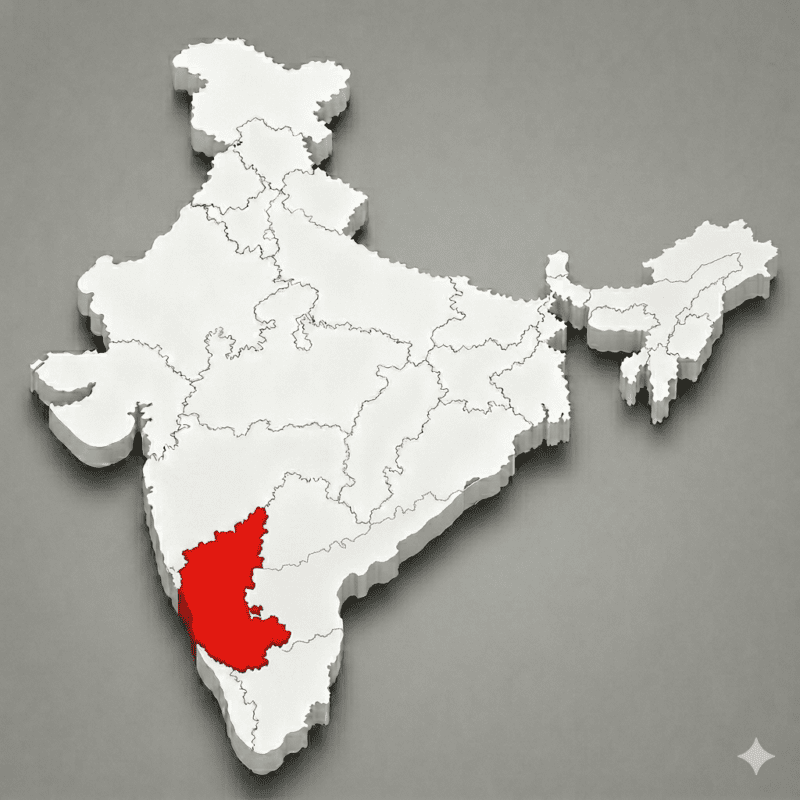
When evaluating Open Access, Captive, or Group Captive power procurement in Karnataka, consumers should account for the following tariff components and operational factors that can impact overall project savings and landed power costs. To understand the Open Access regulations, eligibility criteria, banking provisions, and renewable energy framework in Karnataka, read our Karnataka Open Access Regulatory Policy guide.
| Charge / Element | Details |
|---|---|
| Banking Charges | 8% of banked energy. Unutilised banked energy may lapse at the end of the applicable banking period, impacting project economics. |
| Transmission & Wheeling Losses | Applicable losses vary based on voltage level, injection point, drawal location, and ESCOM area. These losses reduce the net energy available to the consumer. |
| Cross Subsidy Surcharge (CSS) | Applicable to eligible Open Access consumers. CSS can be a significant cost component and should be included in financial models. |
| Additional Surcharge | Applicable as per KERC regulations and may materially affect Open Access savings for certain consumers. |
| Standby Charges | Standby supply from the DISCOM may attract charges up to 125% of the applicable energy tariff when Open Access power is unavailable. |
| Approval Timelines & Regulatory Compliance | Delays in approvals, connectivity permissions, or regulatory clearances can impact project commissioning schedules and expected returns. |
| Smart Metering & ToD Compliance | 15-minute interval metering and Time-of-Day accounting are required for eligible Open Access consumers. Accurate metering is essential for billing and energy settlement. |
| Under-Utilisation & Curtailment Risk | Reduced power drawal, contract demand mismatch, or grid curtailment can affect expected savings and project performance. |
| Regulatory & Policy Changes | Future amendments to Open Access regulations, charges, or settlement mechanisms may impact long-term project economics. |