 openaccessexchange@gmail.com
 Mon - Fri: 9 AM to 8 PM


Accelerating the Energy Transition: Analyzing India’s 400% Growth in Annual Solar Additions
 April 11, 2026
India has reached a defining moment in its journey toward energy independence. Union Minister for New and Renewable Energy, Pralhad Joshi, recently announced that India achieved its highest-ever annual solar capacity addition in the financial year 2025-26, adding a staggering 45 GW to the national grid. This figure represents a nearly 400% increase compared to previous averages, signaling that the country’s renewable energy engine is now firing on all cylinders.
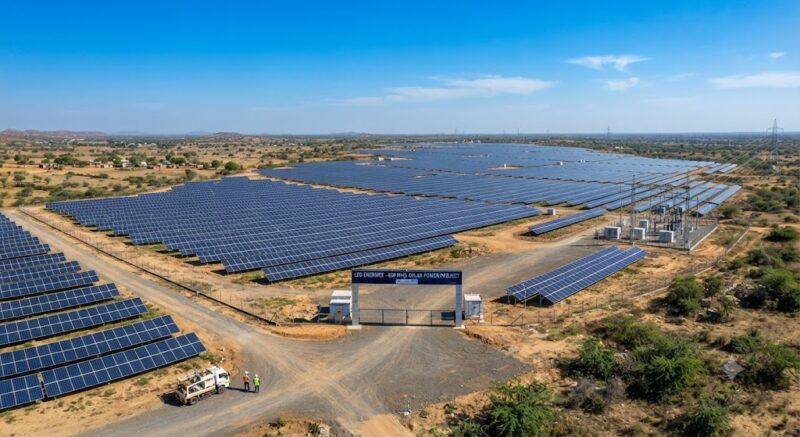
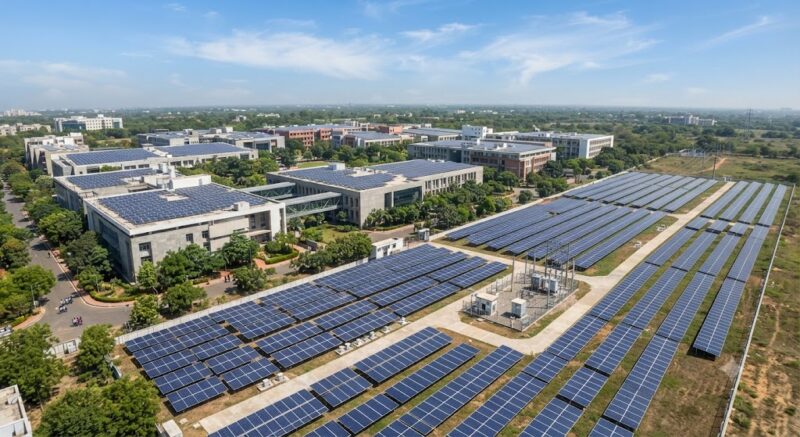
This record-breaking performance is not just a statistical win; it is the result of a concerted push to de-bottleneck the sector. Key drivers cited for this surge include the streamlined implementation of the PM Surya Ghar: Muft Bijli Yojana (the national rooftop solar scheme) and the rapid commissioning of ultra-mega solar parks in states like Rajasthan and Gujarat. By adding 45 GW in a single year, India has demonstrated that the structural challenges—ranging from land acquisition to transmission connectivity—are being managed at a scale never before seen in the global south.
The Minister emphasized that this 45 GW milestone is a critical building block toward the national goal of 500 GW of non-fossil fuel capacity by 2030. As domestic module manufacturing under the ALMM framework matures and the backlog of Power Purchase Agreements (PPAs) continues to clear, the government expects this momentum to be the “new normal.” For the industry, this announcement serves as a powerful validation of India’s regulatory stability and its emerging status as a global hub for large-scale green investment.