 openaccessexchange@gmail.com
 Mon - Fri: 9 AM to 8 PM


India Accelerates Long-Duration Energy Storage (LDES) to Stabilize Grid
 May 18, 2026
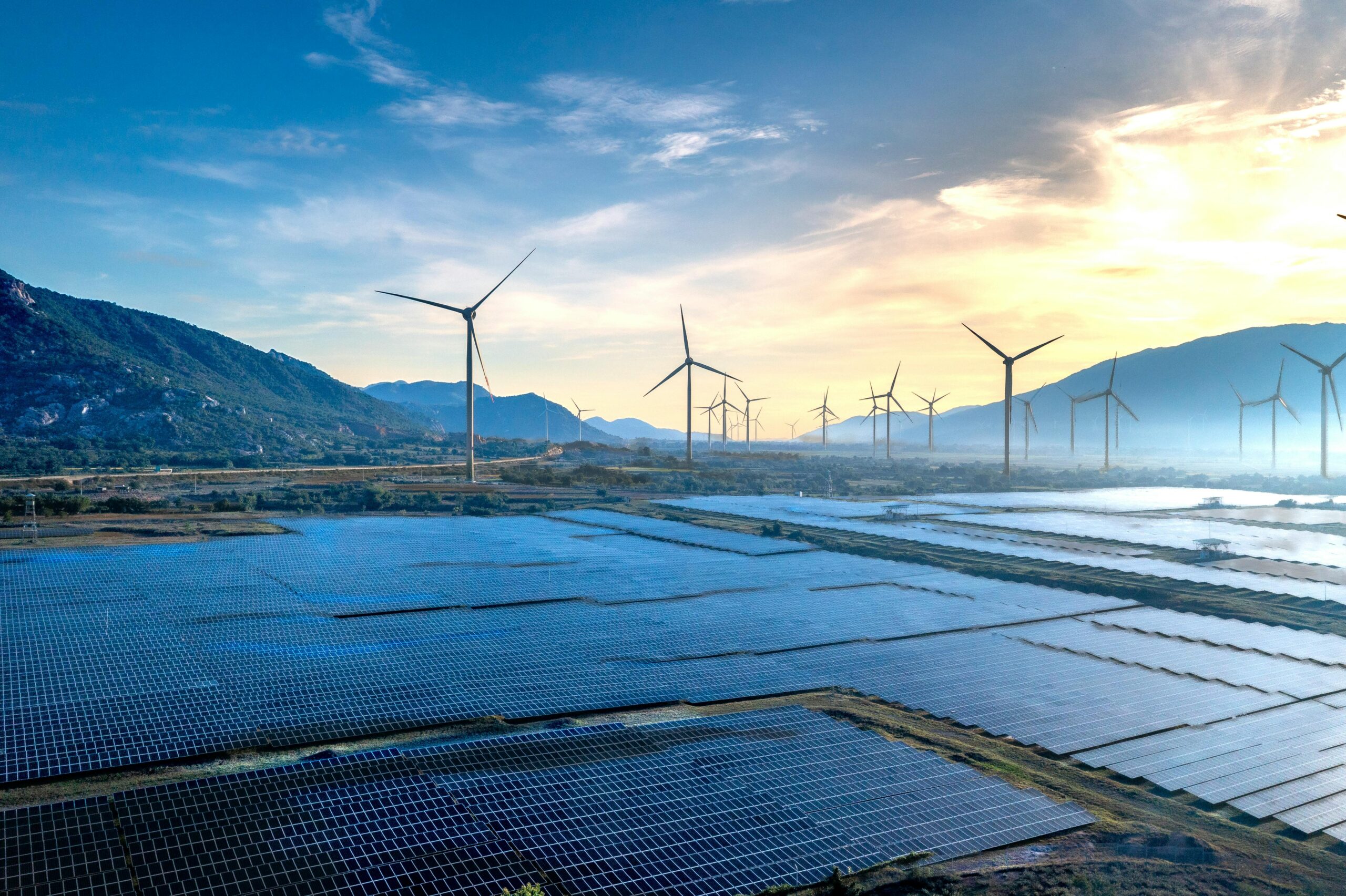
As India’s solar and wind capacity surges, a critical “reliability gap” is widening, prompting a nationwide race to build Long-Duration Energy Storage (LDES). While standard Lithium-ion batteries (BESS) are excellent for short bursts of 2–4 hours, they struggle to keep the lights on through the entire night or during several days of low wind. The new strategy, highlighted on May 18, 2026, focuses on technologies that can discharge power for 8 to 12 hours—or even days—ensuring that the green energy harvested at noon doesn’t go to waste.
The push for LDES is driven by the sheer scale of recent curtailment issues at parks like Bhadla and Khavda. To solve this, India is looking beyond traditional chemical batteries. Massive investments are flowing into Pumped Hydro Storage (PHS)—which uses excess solar power to pump water uphill to be released later—and emerging technologies like Compressed Air Energy Storage (CAES) and Flow Batteries. These systems act as a “strategic reserve” for the grid, providing the steady baseload power traditionally supplied by coal.
For the industrial sector, particularly in the high-demand zones of Southern India, LDES is a game-changer. It allows heavy industries to run 24/7 on renewable energy without fearing a midnight blackout. Government tenders are already shifting, moving away from simple “solar-only” bids toward Firm and Dispatchable Renewable Energy (FDRE) contracts that mandate storage. This shift is turning storage from a “luxury add-on” into the most vital piece of infrastructure in the Indian energy landscape.