 openaccessexchange@gmail.com
 Mon - Fri: 9 AM to 8 PM



Why Jefferies Thinks Renewable Energy is the New Backbone of the Indian Economy
 April 18, 2026
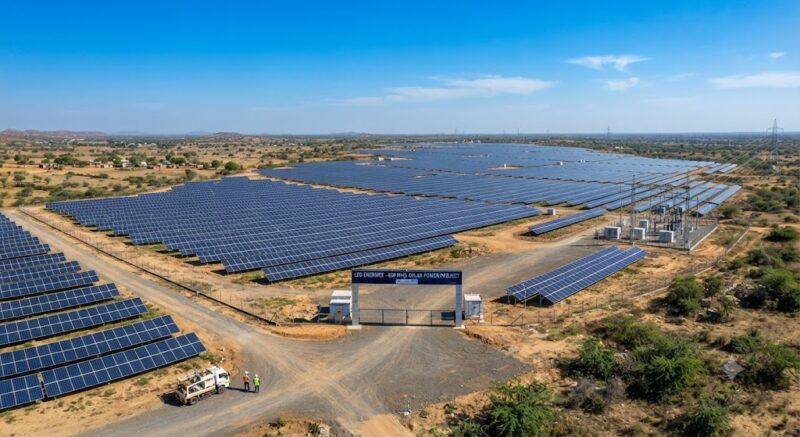
Global brokerage firm Jefferies has released a comprehensive report detailing India’s accelerated path toward its 2030 climate goals. According to their latest analysis, India’s renewable energy (RE) capacity is on track to reach 359 GW by FY30. This projection highlights a significant scaling up of the sector, driven by a combination of surging power demand, aggressive government bidding trajectories, and the rapid maturation of the domestic solar and wind manufacturing ecosystem.
The report underscores that solar energy will remain the primary engine of this growth. Jefferies notes that the Ministry of New and Renewable Energy (MNRE)‘s 50 GW annual bidding plan is already yielding results, providing a steady pipeline for developers. Furthermore, the firm points to the declining costs of Battery Energy Storage Systems (BESS) and the rise of Round-the-Clock (RTC) power tenders as critical factors that will allow renewables to compete directly with traditional coal-based power for baseload demand.
Beyond just generation, Jefferies highlights the “multiplier effect” of India’s growing manufacturing base. With solar module capacity now exceeding 170 GW and wind turbine production reaching record levels, the country is transitioning from an importer of green tech to a self-reliant powerhouse. For investors and industry stakeholders, the message is clear: the energy transition has moved past the pilot phase and into a high-growth, industrial-scale era that is set to redefine the national grid by the end of the decade.