 openaccessexchange@gmail.com
 Mon - Fri: 9 AM to 8 PM


Renewable Energy Expansion and Battery Storage Key to India's Green Transition: Pralhad Joshi
 July 25, 2026
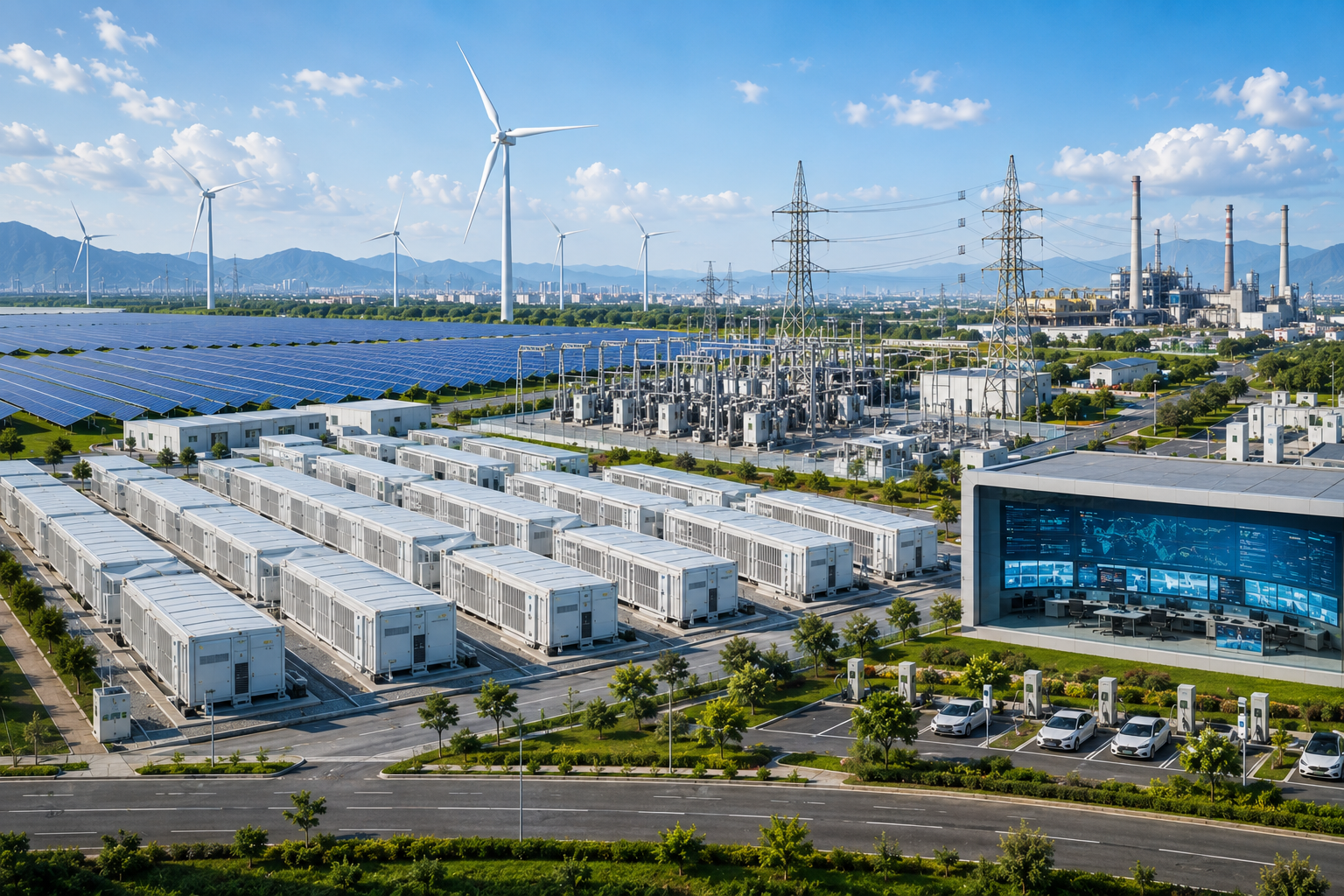
India is strengthening its clean energy strategy by accelerating renewable energy deployment alongside large-scale battery energy storage systems (BESS), Union Minister for New and Renewable Energy Pralhad Joshi has said. He emphasised that expanding battery storage capacity will be critical to supporting the country’s long-term green transition while ensuring affordable and reliable electricity.
According to the minister, battery energy storage has become an essential pillar of India’s evolving power sector. As solar and wind generation continue to expand, storage technologies will help manage the intermittent nature of renewable energy, improve grid flexibility and ensure a stable electricity supply during periods of peak demand.
India has witnessed rapid growth in renewable energy capacity over the past decade, driven by utility-scale solar parks, wind energy projects, rooftop solar installations and supportive government policies. The country is also investing heavily in modern transmission infrastructure, smart grid technologies and energy storage solutions to integrate increasing volumes of clean electricity into the national grid.
Joshi noted that greater deployment of battery storage systems will not only improve renewable energy utilisation but also reduce electricity costs over time by enabling more efficient power management. Energy storage allows excess solar and wind generation to be stored and supplied when renewable output declines, reducing dependence on conventional thermal generation.
The government has introduced multiple initiatives to accelerate storage deployment, including dedicated BESS tenders, viability gap funding, and renewable energy projects integrated with storage. These measures are expected to encourage greater participation from both public and private sector developers while strengthening India’s domestic energy ecosystem.
Battery storage is increasingly being recognised as a strategic enabler of India’s renewable energy ambitions. Beyond supporting grid stability, BESS can provide frequency regulation, reserve power, peak load management and improved transmission efficiency, making the overall electricity system more resilient. As renewable penetration continues to increase, storage will become indispensable for maintaining reliable power supply across the country.
India has set ambitious targets to expand non-fossil fuel electricity capacity while reducing carbon emissions. Industry experts believe that combining large-scale renewable energy deployment with modern battery storage infrastructure will be crucial for achieving these goals and supporting sustainable economic growth over the coming decade.