 openaccessexchange@gmail.com
 Mon - Fri: 9 AM to 8 PM



Net-Zero by 2070: How India is Localizing the Goals of International Mother Earth Day
 April 22, 2026
On April 22, 2026, the global community observed World Earth Day (also known as International Mother Earth Day), a day dedicated to fostering environmental awareness and driving collective action against climate change, pollution, and biodiversity loss. This year’s theme, “Our Power, Our Planet,” places a strong emphasis on community-led action and accountability. It calls for a decisive transition toward renewable energy sources while ensuring that those responsible for environmental degradation are held to account.
The history of Earth Day dates back to April 22, 1970, a moment often cited as the birth of the modern environmental movement. Initiated by U.S. Senator Gaylord Nelson following the devastating 1969 Santa Barbara oil spill, the first rallies led to the creation of the U.S. Environmental Protection Agency (EPA) and landmark environmental legislation. By 2009, the United Nations General Assembly officially designated the date as International Mother Earth Day, and it is now observed by over 190 countries.
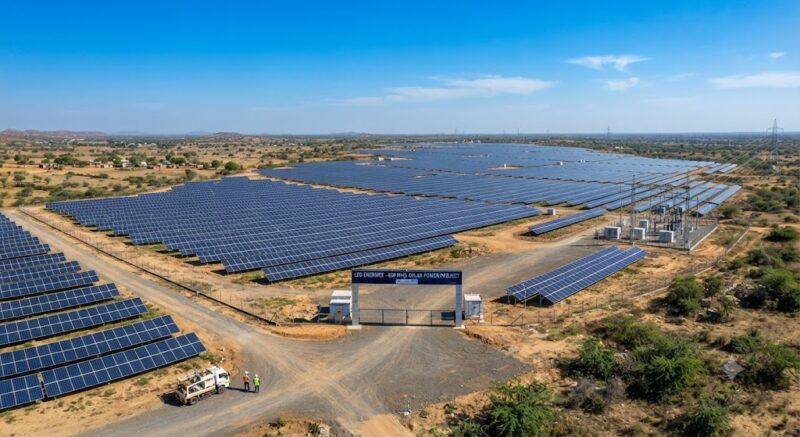
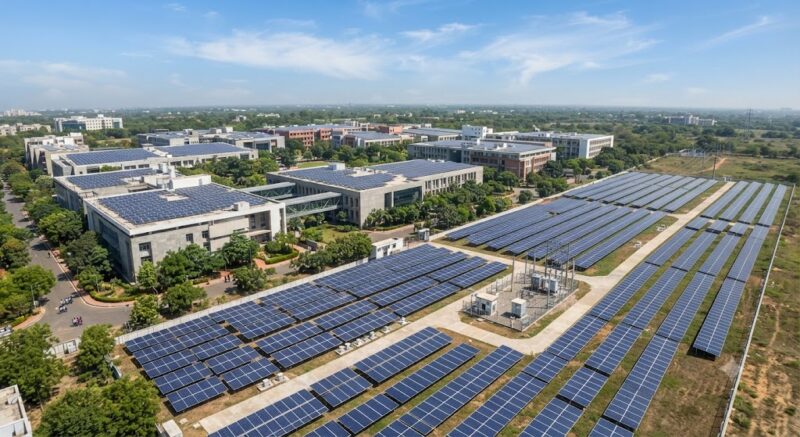
In India, the 2026 observance serves as a checkpoint for the nation’s “Panchamrit” commitments. This multi-sectoral approach includes the ambitious target of reaching net-zero emissions by 2070 and achieving 50% renewable energy capacity by 2030. From the expansion of solar power and electric mobility under the FAME scheme to biodiversity conservation through Project Tiger, India is increasingly aligning its domestic development with global climate goals, shifting the focus from international rhetoric to local responsibility.