 openaccessexchange@gmail.com
 Mon - Fri: 9 AM to 8 PM


Why Rajasthan’s Bhadla Solar Park is Throttling Power Despite Record Sun ?
 May 4, 2026
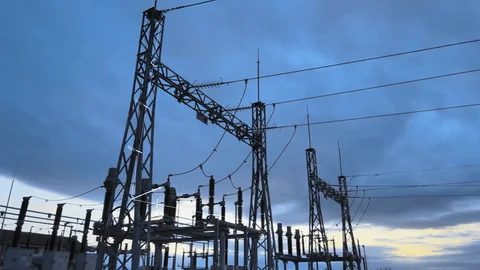
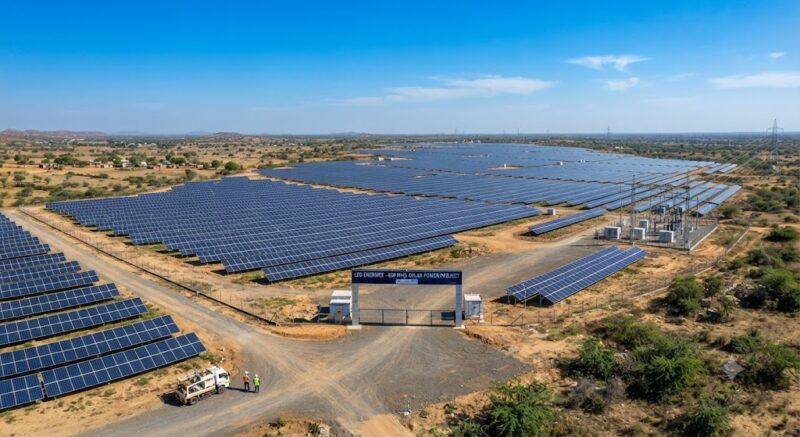
The Bhadla Solar Park in Rajasthan, once the crown jewel of India’s renewable energy ambition, is currently grappling with a significant “power waste” crisis. Despite the park’s massive 2.2 GW capacity and the blistering May heat providing ideal generation conditions, grid operators are increasingly being forced to curtail (intentionally reduce) output. This wastage is not due to a lack of sun, but because the existing transmission infrastructure is physically unable to carry the sheer volume of electricity being generated during peak hours.
This surge in curtailment at Bhadla is creating a financial headache for developers, who lose revenue every time their plants are throttled back. The situation has reached a tipping point, with experts warning that without immediate investment in Battery Energy Storage Systems (BESS) and upgraded high-voltage lines, the world’s largest solar park will continue to leak potential energy. This isn’t just a local issue; it reflects a broader national challenge where generation growth is outstripping the “flexible” grid capacity needed to manage it.
The crisis at Bhadla serves as a stark reminder that simply adding more solar panels isn’t enough. To prevent this “green waste,” Rajasthan must pivot toward building “storage-integrated” parks. By storing the midday surplus that currently chokes the grid, the state could instead release that power during the high-demand evening hours—turning a current liability into a critical asset for national energy security.