 openaccessexchange@gmail.com
 Mon - Fri: 9 AM to 8 PM


Quality Over Quantity: Why India’s Solar Auction Slowdown is Actually a Sign of Market Maturity
 May 12, 2026
After a record-breaking streak of project announcements, India’s solar sector saw a noticeable decline in new tenders and auctions during Q1 2026. According to the latest data, the industry is entering a “breather” phase. This isn’t a sign of waning interest, but rather a strategic shift by both the government and private developers to focus on project execution and clearing the massive backlog of projects currently under construction.
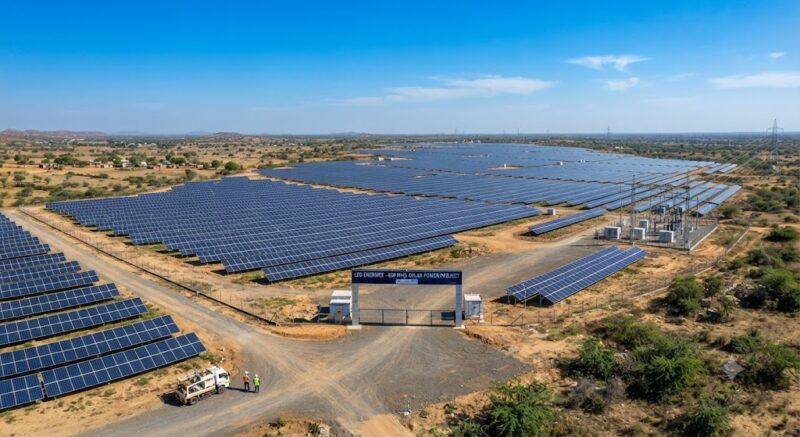
The slowdown in new tenders is largely driven by a “real-world” reality check. With the national grid facing bottlenecks and the industry grappling with the integration of over 100 GW of already-awarded projects, stakeholders are prioritizing the physical completion of plants. Developers are currently more concerned with securing modules (like those from the new Tata Power or Solex plants) and ensuring transmission connectivity than they are with bidding for new capacity that might not see a grid connection for years.
Additionally, the rise in Hybrid and Firm/Dispatchable Renewable Energy (FDRE) tenders—which are more complex than simple solar auctions—has naturally led to a slower cadence in the bidding process. This “Execution First” mandate is viewed as a healthy correction for the market. By ensuring that the current 464 BU of generation capacity is stabilized and expanded through physical commissioning, India is building a more resilient foundation before the next massive wave of “Super-Grid” scale tenders expected later this year.