 openaccessexchange@gmail.com
 Mon - Fri: 9 AM to 8 PM


High Power Costs Keep Thermal Relief Out of Reach in India’s Parched Heart
 May 20, 2026
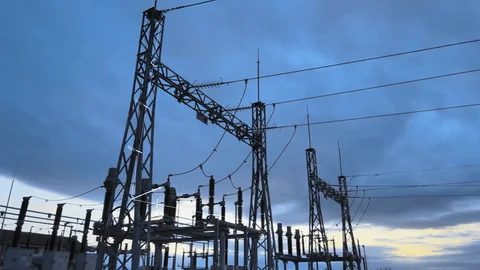
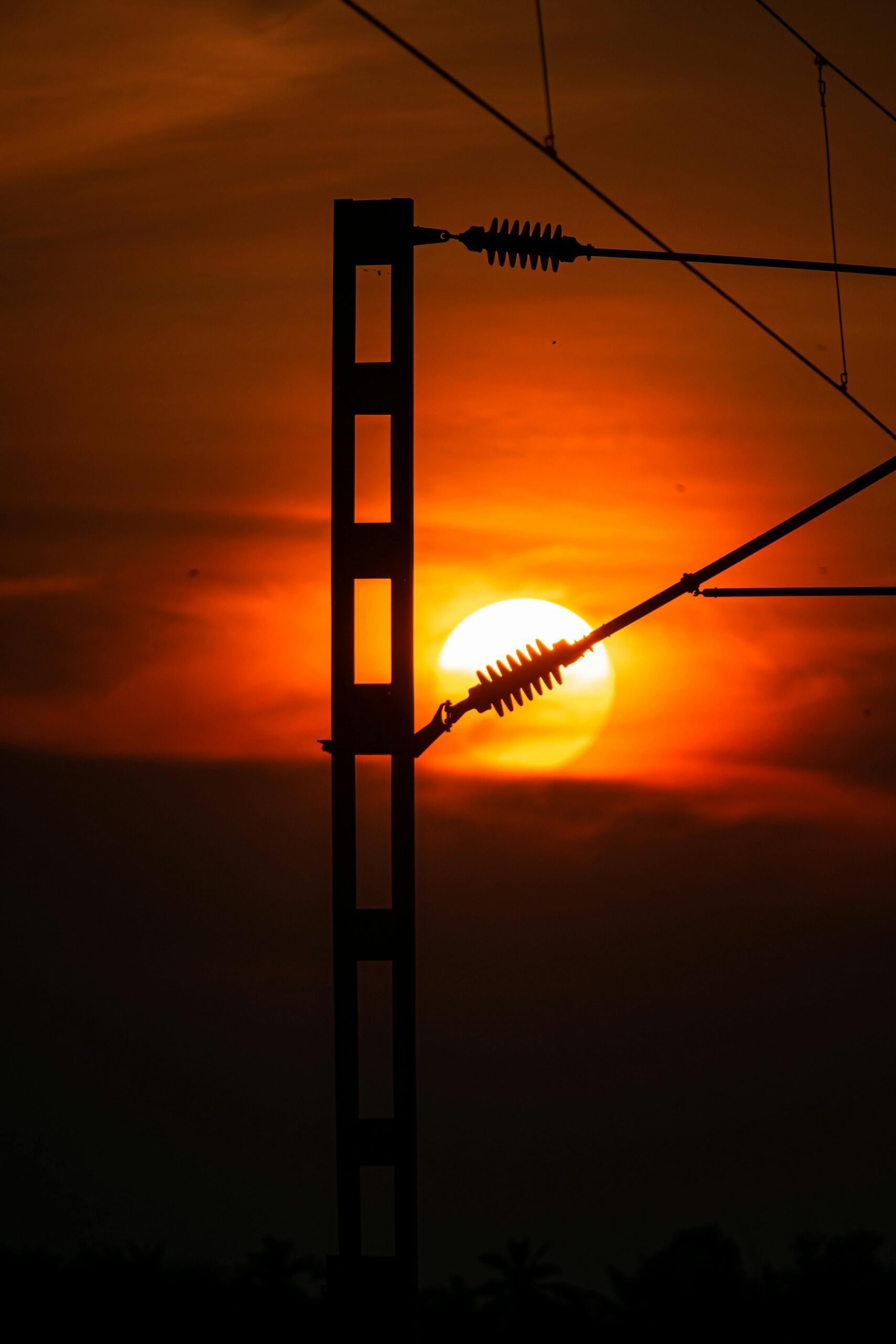
In places like Nagpur—which recently topped global leaderboards as one of the hottest cities on Earth—the battle against 40°C+ summer temperatures has pushed critical infrastructure to its absolute limit. To prevent widespread blackouts as power demand hits a record 821 MW, utility engineers have been forced to take drastic measures: retrofitting giant industrial coolers directly onto overheating transformers and running heavy-duty fans inside substations just to stop the distribution network from melting.
Yet, while these expensive engineering fixes successfully keep the grid from collapsing, they have created a quiet, devastating crisis inside local homes. Maharashtra has some of the costliest electricity in the country, driven by its massive industrial base and a staggering 85% year-on-year increase in network capital expenditure (reaching ₹23,450 crore). Because these multi-billion-rupee grid upgrades are ultimately paid for by the consumer, retail electricity tariffs have skyrocketed to over ₹10 per unit.
For low-income urban families, this high cost turns cooling into an unaffordable luxury. Many are forced to leave their coolers unplugged, rationing their power use strictly for the dead of night just to get enough rest to work the next day. Families routinely spend their days sitting outside on parched streets because they simply cannot afford the power bill that comes with staying cool indoors.
This reality exposes a widening gap in the energy transition: merely providing a grid connection does not guarantee access to cooling. The economic fallout is already ripple-effecting across the region. Outside the cities, farmers report that subsidized agricultural power is often only supplied during the absolute hottest hours of the day, making it too dangerous to work in the fields to irrigate crops. With heat stress projected to threaten 4.5% of India’s GDP by 2030, the parched heart of the country is proving that extreme heat is no longer just a weather event—it is a deeply unequal humanitarian and economic crisis.