 openaccessexchange@gmail.com
 Mon - Fri: 9 AM to 8 PM


Beyond Generation: Why India’s True Energy Security Lies in Building Intelligent Grids
 May 21, 2026
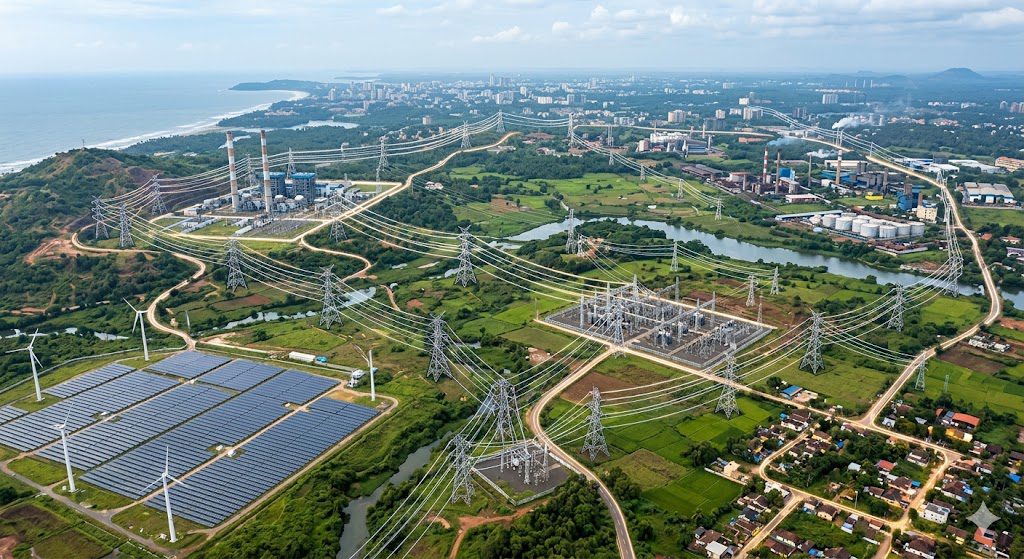
India’s energy transition has reached a critical tipping point where building more power plants is no longer enough. On May 19, 2026, the country’s peak power demand shattered all records, hitting an unprecedented 260.5 GW at 3:40 PM, driven by an intense national heatwave and skyrocketing cooling needs. This dramatic spike underlines a fundamental truth: energy transition has evolved from a pure climate narrative into one of control, stability, and absolute economic security. While adding massive blocks of solar and wind worked in the early stages, the rapid expansion of distributed renewable energy now demands a grid with real-time visibility and dynamic operational flexibility. Incremental hardware upgrades will no longer suffice; the entire network must be reimagined as a responsive, intelligent system.
The real magic behind this evolution lies in the deployment of Digital Twins—highly sophisticated virtual replicas of physical electricity networks that merge asset-level tracking with real-time system performance data. By substituting fragmented, lagging reports with a single, data-driven network, utilities can pinpoint line losses (which still stand at over 16% in India) and actively manage the inherent variability of renewables. Early data suggests this digital shift can slash consumer power outages by up to 45 hours annually and reduce costly transformer failure rates by 20% to 30%. When artificial intelligence is layered over these digital twins, operations transform from reactive damage control to predictive management, catching structural asset stress well before a physical failure occurs.
Ultimately, modernizing the grid paves the way for a more participatory, market-driven ecosystem through the rise of “Prosumers”—consumers who simultaneously generate their own rooftop solar power and inject it back into the network. This decentralization is heavily supported by the India Energy Stack, an emerging piece of Digital Public Infrastructure (DPI) tailored specifically for the power sector to streamline coordination and plan long-term investments. True energy security does not mean simply stacking up generation capacity; it means ensuring power can be seamlessly routed to exactly where and when it is needed. In the decade ahead, the strength of India’s economy will not depend on how much power it can produce, but on how intelligently it can move it.