 openaccessexchange@gmail.com
 Mon - Fri: 9 AM to 8 PM


Domestic Cell Sourcing Rules Could Reshape Solar Module Supply Chains
 June 15, 2026
India’s solar manufacturing industry is entering a new phase as the implementation of the Approved List of Models and Manufacturers (ALMM) List-II framework begins to take effect. The policy requires solar projects covered under the mandate to use domestically approved solar cells, a move aimed at strengthening India’s renewable energy manufacturing ecosystem and reducing reliance on imports. While the long-term objective is to build a more self-reliant supply chain, industry stakeholders are preparing for potential short-term disruptions in cell availability.
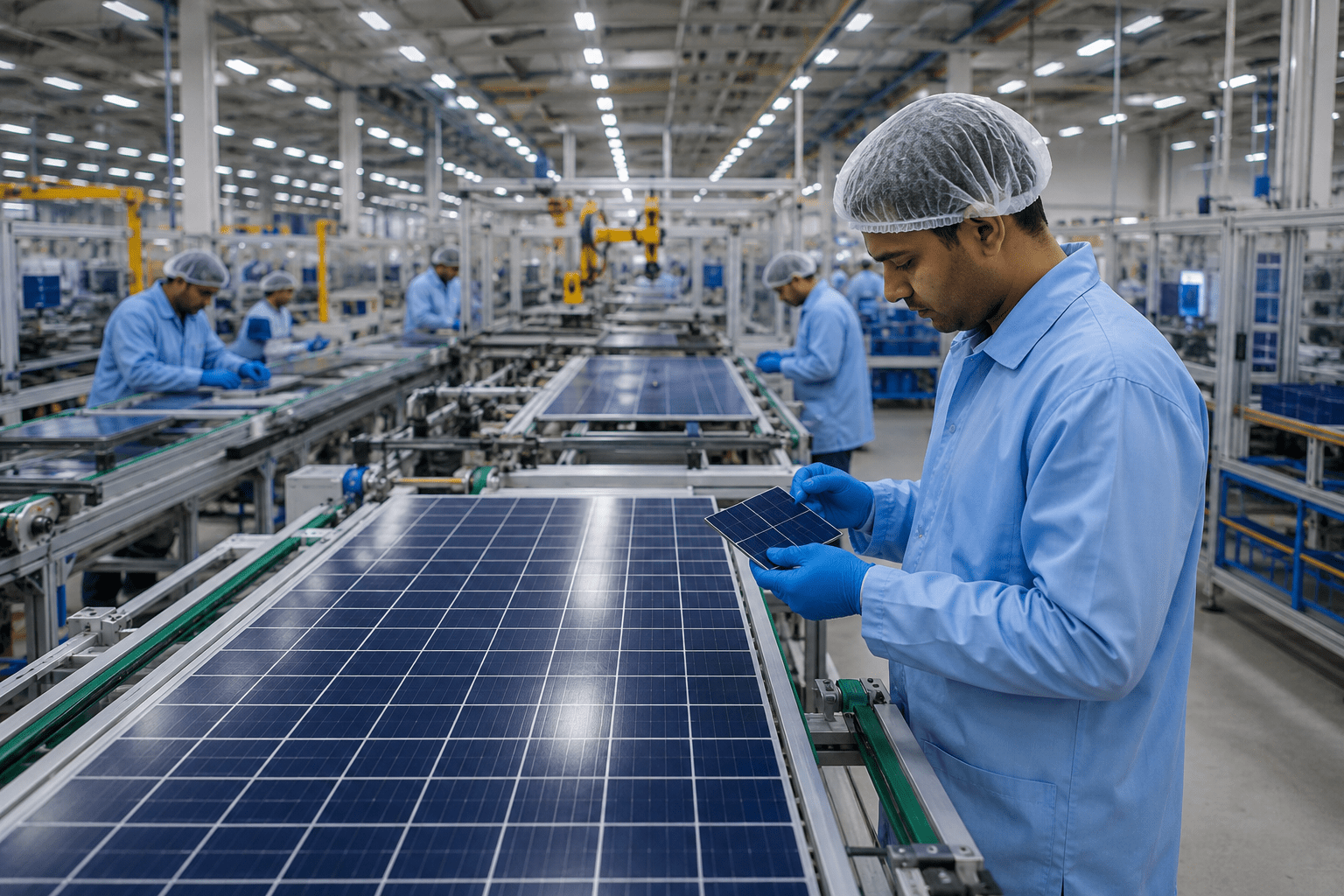
The transition is expected to place additional pressure on domestic solar cell manufacturers, particularly as demand for approved cells rises across multiple project segments. Industry observers note that India’s module manufacturing capacity has expanded rapidly in recent years, but domestic cell production capacity is still catching up. This gap could temporarily create supply constraints for standalone module manufacturers that depend on a steady flow of cells to meet project commitments and production schedules.
Despite these concerns, the ALMM-II mandate is widely viewed as an important step toward developing a stronger domestic solar manufacturing value chain. By encouraging the use of locally produced cells, the policy aims to support investment in upstream manufacturing, improve supply chain resilience, and strengthen India’s position as a global renewable energy manufacturing hub. Industry experts believe that while some supply challenges may emerge during the initial implementation period, increased investments in cell manufacturing capacity are likely to help balance the market over time.
The government has maintained its commitment to implementing the policy, while also indicating that relief may be considered on a case-by-case basis for projects where substantial investments have already been made. As the sector adapts to the new requirements, manufacturers, developers, and policymakers will be closely monitoring supply dynamics to ensure that India’s ambitious solar deployment targets continue to progress without significant delays.