 openaccessexchange@gmail.com
 Mon - Fri: 9 AM to 8 PM


India Crosses 300 GW Non-Fossil Capacity, Reaches 60% of 500 GW 2030 Target
 August 10, 2026
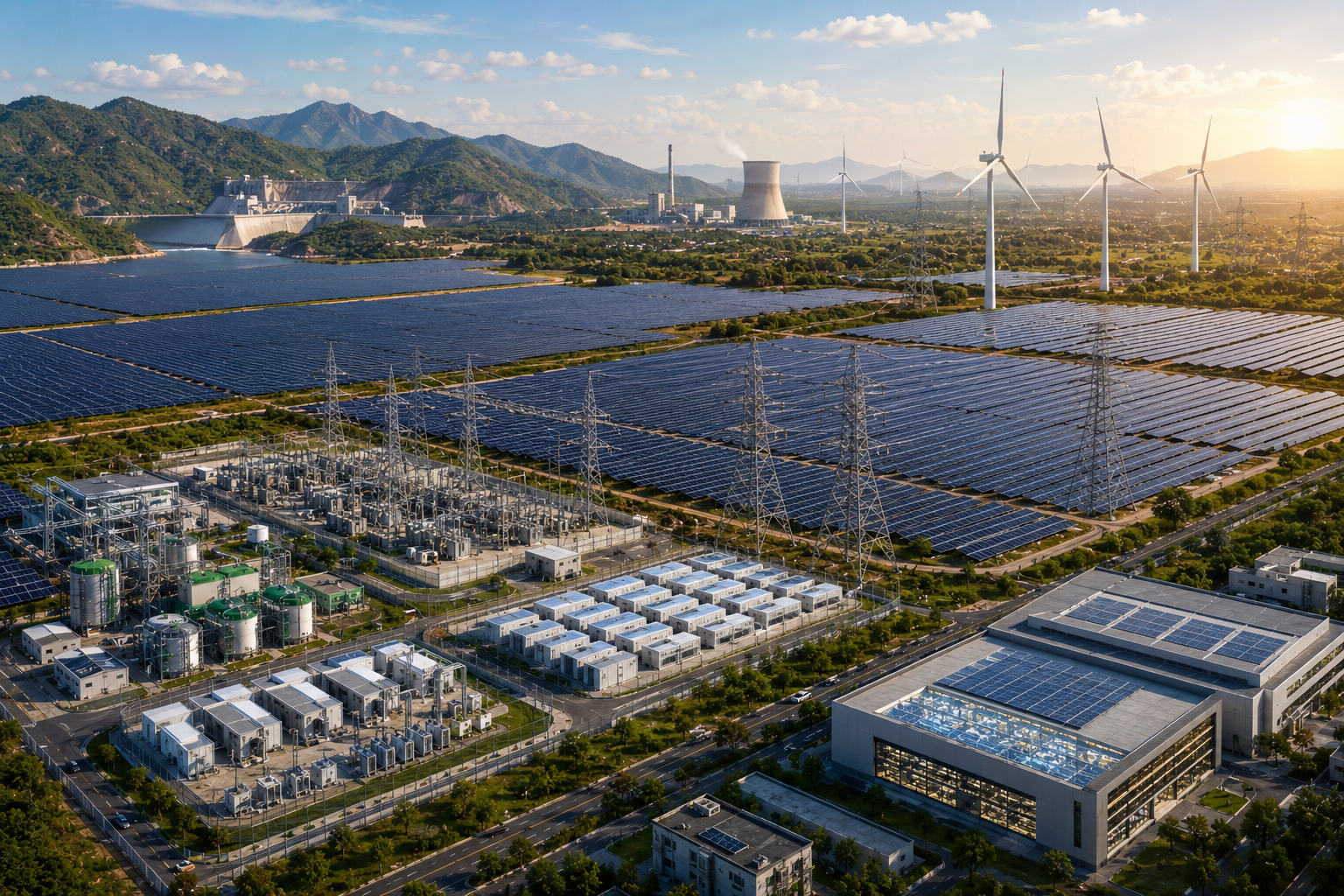
India has crossed a major milestone in its clean energy transition, reaching 300.50 GW of non-fossil fuel-based installed electricity generation capacity as of July 31, 2026. The achievement represents more than 60% of the country’s 500 GW non-fossil capacity target for 2030, according to the Ministry of New and Renewable Energy.
The country’s total electricity generation capacity currently stands at around 552 GW, with non-fossil sources accounting for more than 54% of the overall capacity mix.
Solar power remains the largest contributor to India’s non-fossil capacity. As of July 31, solar capacity stood at 164.59 GW, followed by 58.14 GW of wind, 57.24 GW of hydropower, 11.75 GW of bio-power and 8.78 GW of nuclear power.
India’s solar capacity has expanded dramatically from just 2.8 GW in 2014 to nearly 165 GW in 2026. Wind power has also grown from approximately 21 GW in 2014 to more than 58 GW currently.
The pace of clean energy deployment has accelerated significantly. India installed a record 55.29 GW of non-fossil electricity capacity during 2025-26.
Solar contributed 44.6 GW, while wind accounted for another 6 GW during the financial year.
Renewable electricity generation has also increased substantially, rising from 190.96 billion units in 2014-15 to 477.79 billion units in 2025-26.
The clean energy expansion is being supported by growing domestic manufacturing capabilities. The Ministry said the capacity listed under the Approved List of Models and Manufacturers (ALMM) for solar PV modules has crossed 200 GW, compared with just 2.3 GW in 2014.
The government’s Production Linked Incentive (PLI) programme has supported the development of domestic manufacturing capacity for high-efficiency solar modules, strengthening India’s clean energy supply chain.
India’s clean energy strategy is also expanding beyond electricity generation. The National Green Hydrogen Mission is supporting the development of green hydrogen and its derivatives, with the government seeking to establish India as a global hub for their production, use and export.
The latest milestone highlights how renewable energy is increasingly connected with India’s broader goals around energy independence, industrial competitiveness and economic resilience.
With more than 300 GW of non-fossil capacity now installed, India has reached a significant point on its path toward the 2030 target. The next phase will require continued expansion of solar and wind generation alongside transmission infrastructure, energy storage, grid modernisation and domestic clean-energy manufacturing.