 openaccessexchange@gmail.com
 Mon - Fri: 9 AM to 8 PM


Reshoring and Renewable Energy: Why Energy Strategy Matters for India’s Next Manufacturing Wave
India is entering an important phase in its manufacturing journey.
As global companies rethink their supply chains, businesses are increasingly looking at manufacturing closer to their key markets. Rising logistics costs, geopolitical uncertainty, supply-chain disruptions and the need for greater operational resilience are encouraging companies to reconsider where and how they manufacture.
For India, this creates a significant opportunity.
But there is one factor that manufacturers cannot afford to overlook:
Energy.
A manufacturing facility can have modern machinery, skilled employees and efficient logistics — but without reliable and cost-effective electricity, its competitiveness can quickly come under pressure.
The changing manufacturing equation
Traditionally, companies have often looked at labour, raw materials, logistics and proximity to customers when selecting manufacturing locations.
Today, the equation is becoming broader.
Businesses are increasingly asking:
- How predictable will our electricity costs be?
- Can we secure reliable power for our operations?
- Can renewable energy reduce our dependence on conventional electricity?
- How can we meet our sustainability targets?
- Can our energy strategy support long-term expansion?
These questions make energy procurement a strategic business decision rather than simply an operational expense.
Why renewable energy matters
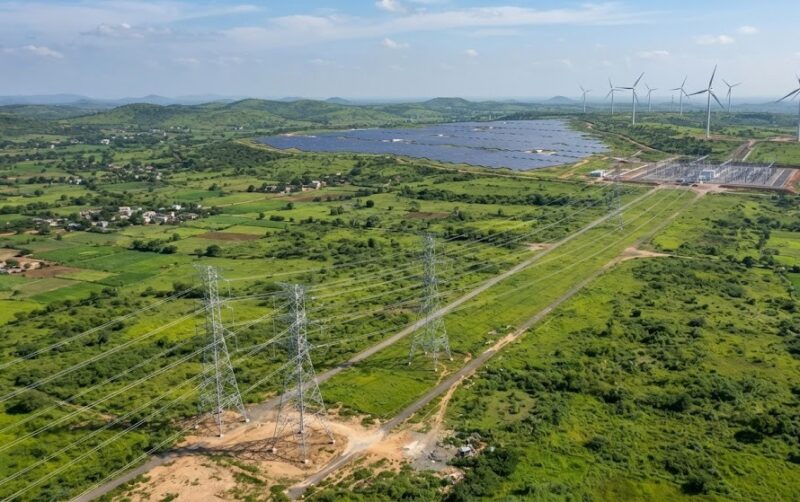
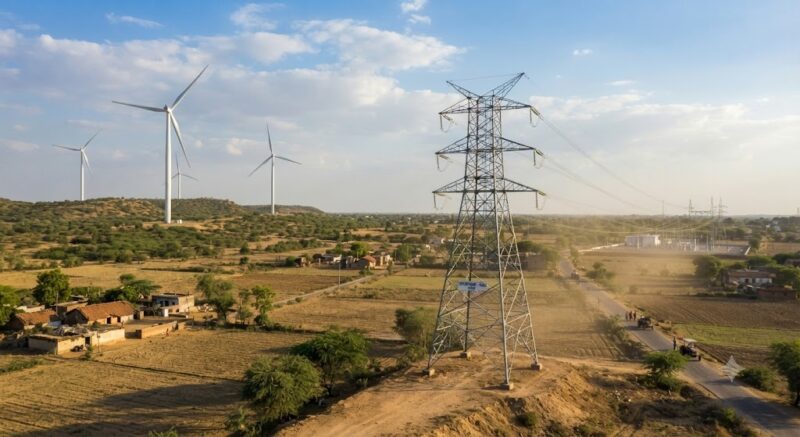
India’s growing renewable-energy ecosystem gives manufacturers more options than ever before.
Businesses can explore solutions such as:
Rooftop Solar
Solar generation can be installed at the manufacturing facility itself, allowing businesses to generate renewable electricity close to where it is consumed.
Open Access Renewable Energy
Large electricity consumers can explore procuring renewable power from off-site projects through suitable Open Access structures.
Captive and Group Captive Models
Businesses with significant and predictable electricity consumption can consider ownership-based renewable-energy models designed around longer-term energy requirements.
Hybrid Renewable Energy
Combining solar with other renewable sources and, where appropriate, energy storage can provide a more flexible approach to managing electricity demand.
The right solution depends on the company’s consumption profile, location, regulatory environment, financial objectives and long-term energy requirements.
Energy cost can influence manufacturing competitiveness
When a company invests in a manufacturing facility, it is making a long-term commitment.
The facility may operate for decades.
That means energy costs need to be considered beyond today’s electricity tariff.
A business should evaluate not only:
“What is our electricity cost today?”
but also:
“How predictable will our energy cost be over the next 10–20 years?”
A well-designed renewable-energy strategy can potentially provide greater visibility into long-term energy expenditure while supporting sustainability objectives.
Energy resilience is the next priority
Supply-chain resilience and energy resilience are closely connected.
If a manufacturer is trying to reduce its dependence on distant suppliers, it also needs to consider the resilience of the infrastructure supporting its own operations.
Power interruptions, grid constraints, peak-demand charges and unpredictable energy costs can affect manufacturing productivity.
This is where businesses can consider a broader energy strategy involving:
Renewable generation + Grid power + Energy storage + Energy efficiency + Smart energy management
Rather than depending entirely on a single electricity source, manufacturers can build a more diversified energy portfolio.
Renewable energy can support sustainability goals
Manufacturing companies are also under increasing pressure to reduce their carbon footprint.
Global customers, investors and supply-chain partners are increasingly evaluating the environmental performance of their suppliers.
For manufacturers supplying international markets, renewable electricity can therefore become more than a cost-management tool.
It can become part of the company’s overall sustainability strategy.
Solar and other renewable-energy solutions can help businesses work towards their renewable-energy and emissions-reduction objectives while potentially improving their long-term energy economics.
The rise of the energy-smart factory
The manufacturing facility of the future will not simply consume electricity.
It will manage electricity intelligently.
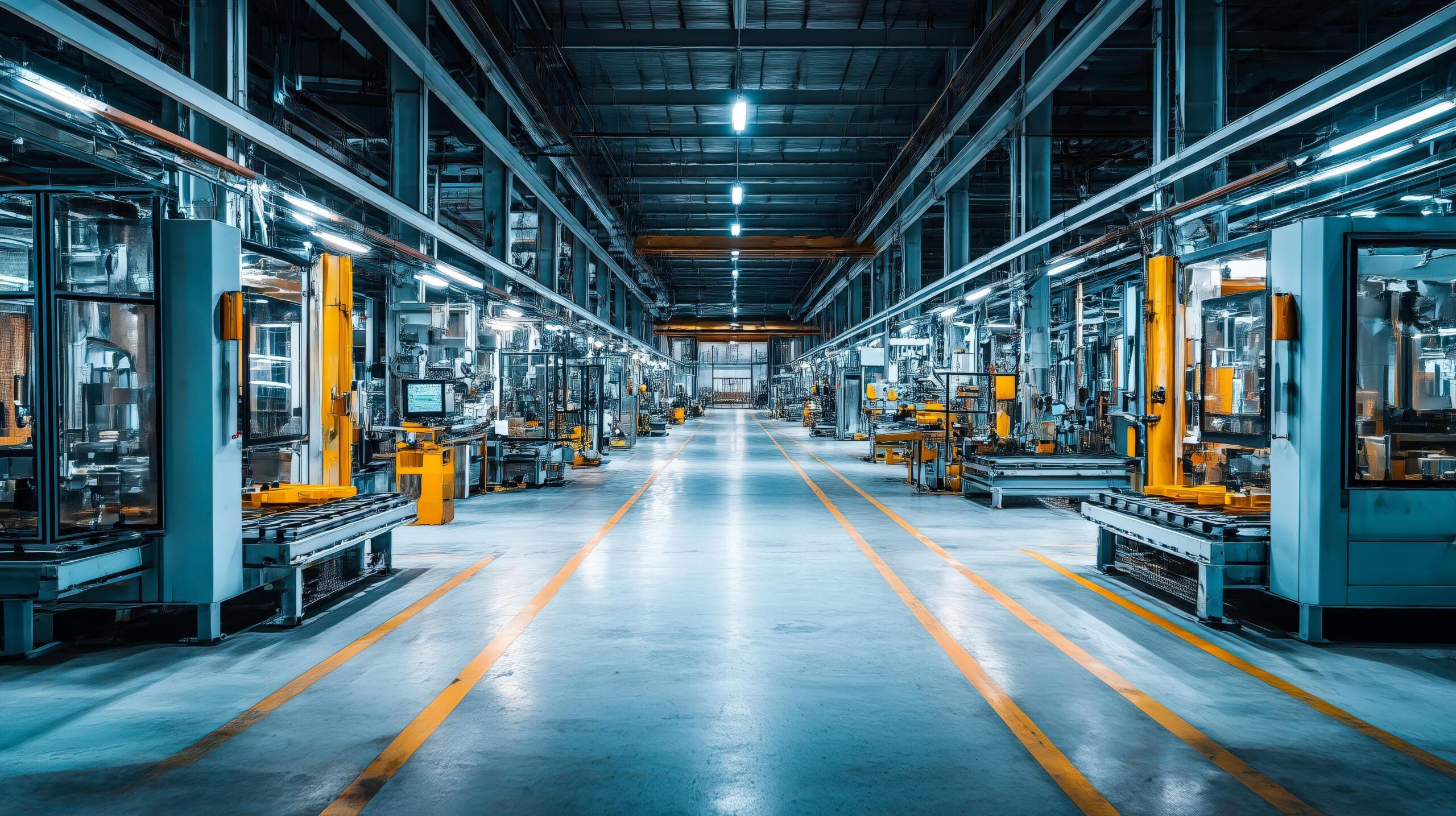
Consider a modern industrial facility where solar generation, renewable power procurement, battery storage, energy monitoring and efficient electrical infrastructure operate as part of one integrated strategy.
Energy data can help businesses understand:
- When electricity demand is highest
- Where energy is being consumed
- How renewable generation can be better utilised
- When energy storage can provide value
- Where efficiency improvements are possible
This creates a shift from simply buying electricity to strategically managing energy.
What should manufacturers evaluate?
Companies planning a new facility or expanding an existing manufacturing operation should consider several factors before selecting a renewable-energy model.
1. Understand your consumption
Analyse annual electricity consumption, peak demand, operating hours and future expansion requirements.
2. Evaluate renewable potential
Assess available rooftop space, land availability and the possibility of sourcing renewable power from off-site projects.
3. Compare procurement models
Evaluate rooftop solar, Open Access, captive and Group Captive options based on the company’s requirements.
4. Consider storage
Where electricity demand and renewable generation do not align, battery energy storage may provide additional flexibility.
5. Analyse regulations and charges
Renewable-energy economics can vary significantly depending on state-level regulations, applicable charges and project structure.
6. Think long term
The cheapest option today may not necessarily be the smartest option over the lifetime of a manufacturing facility.
The energy strategy should align with the company’s expansion, financial and sustainability objectives.
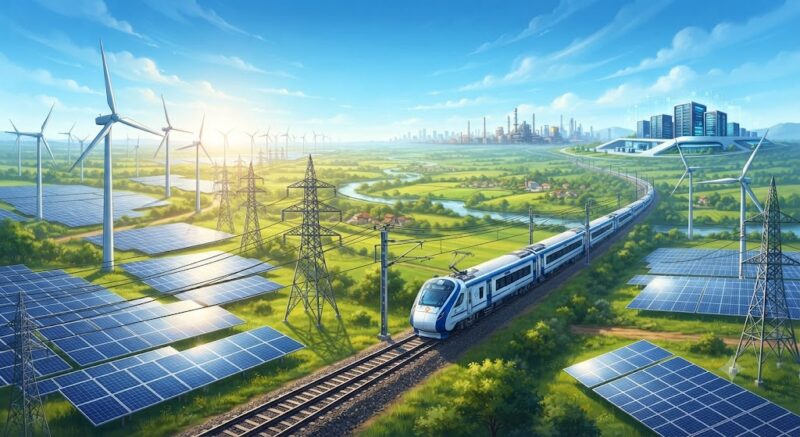
India has an opportunity to combine manufacturing growth with clean energy
India’s manufacturing ambitions and renewable-energy expansion can reinforce each other.
As companies establish new factories and expand existing operations, renewable energy can become an important component of their competitiveness strategy.
The opportunity is not simply to build more factories.
It is to build more resilient, efficient and sustainable factories.
For businesses, this means energy planning should happen alongside decisions about location, production capacity and infrastructure — not after the factory is operational.
The future of manufacturing will be energy-aware
Reshoring and supply-chain localisation are changing the global manufacturing landscape.
For India, this creates an opportunity to attract investment while simultaneously accelerating the transition towards cleaner energy.
Manufacturers that think strategically about energy today can potentially benefit from:
- Lower energy costs.
- Greater energy predictability. download Instagram reels to gallery
- Improved sustainability performance. Instagram reels downloader for phone
- Greater energy resilience. Instagram reels downloader for android
- Better long-term competitiveness. Instagram reel to mp4 downloader
The future factory will not only be defined by what it produces.
It will also be defined by how intelligently and sustainably it uses energy.
Conclusion
India’s next manufacturing wave could be powered by more than investment and infrastructure.
It could be powered by the sun. Instagram reels downloader no watermark
The question is no longer whether renewable energy can support manufacturing — but how strategically businesses can integrate renewable energy into their long-term growth plans. save Instagram reels online
What do you think will matter most for India’s future manufacturing competitiveness: lower energy costs, energy security, or access to renewable power?