 openaccessexchange@gmail.com
 Mon - Fri: 9 AM to 8 PM


BEST’s 220 MW Solar and 440 MWh BESS Deal Accelerates Mumbai’s Clean Energy Transition
 September 3, 2026
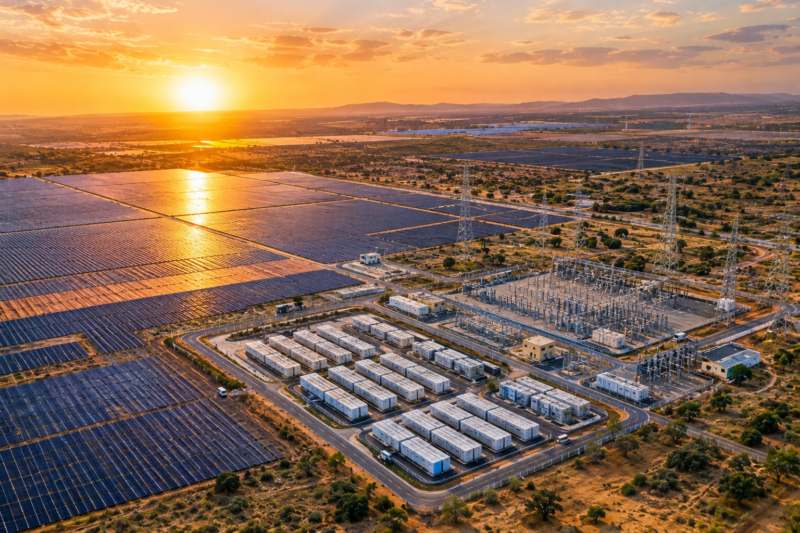
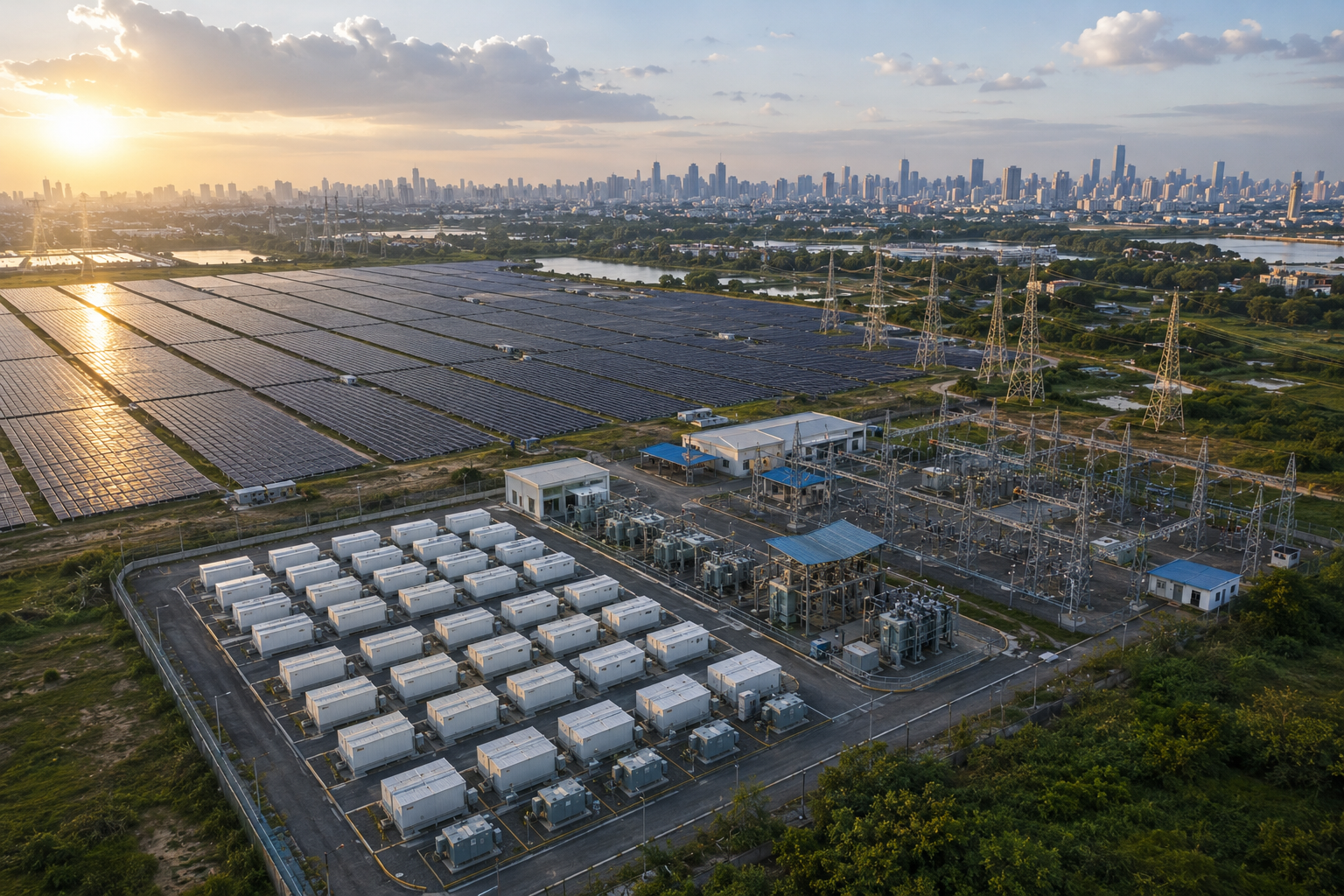
Mumbai’s transition toward cleaner electricity is gaining momentum as the Brihanmumbai Electric Supply and Transport (BEST) undertaking has signed a 25-year power purchase agreement (PPA) with the Solar Energy Corporation of India (SECI) for 220 MW of solar power integrated with a 110 MW/440 MWh Battery Energy Storage System (BESS).
The agreement, signed on August 31, will enable BEST to procure renewable electricity at a tariff of ₹2.87 per unit. The arrangement is expected to increase the renewable-energy share in BEST’s power mix from approximately 33% to 43%.
The combination of solar generation and battery storage is an important element of the agreement.
Solar power generation varies throughout the day, with output declining as sunlight decreases. Battery storage can help shift a portion of renewable electricity toward periods when demand remains high, improving the flexibility of a solar-based power portfolio.
For an electricity utility serving a densely populated metropolitan area such as Mumbai, this combination can support the integration of more renewable electricity while addressing changing demand patterns.
The 110 MW/440 MWh BESS provides four hours of storage at its rated power capacity.
This type of energy storage can become particularly relevant during periods when solar generation falls but electricity demand remains elevated. Instead of relying exclusively on conventional sources or market purchases during such periods, stored renewable electricity can provide an additional source of flexibility.
The development therefore reflects a broader shift in India’s power sector: renewable-energy procurement is increasingly being combined with storage rather than treating generation capacity and flexibility as separate requirements.
BEST currently meets around 33% of its approximately 1,000 MW electricity requirement through renewable sources. Following the new agreement, the green-energy contribution is expected to rise to approximately 43%.
The increase represents a significant step for an urban electricity utility and demonstrates how renewable procurement can become part of the long-term power strategy of large metropolitan distribution systems.
The agreement also supports BEST’s efforts to diversify its electricity sources, reduce dependence on conventional fuels and strengthen long-term energy security.
Mumbai has a large and continuously evolving electricity demand profile. As commercial activity, infrastructure, transport and urban development expand, utilities need reliable electricity while also responding to decarbonisation objectives.
Solar power can provide a growing source of low-carbon electricity, while battery storage can help address one of the central challenges associated with variable renewable generation: matching supply with demand at different times of the day.
The BEST-SECI agreement illustrates how this combination can be incorporated into long-term power procurement.
The development also highlights a wider trend across India’s electricity sector.
Large-scale renewable projects are increasingly being designed or contracted alongside BESS, pumped-storage hydropower and other flexibility resources. This is becoming increasingly important as solar and wind capacity expands and grid operators need greater flexibility to balance variable generation.
For distribution utilities, the emergence of solar-plus-storage procurement models could provide another pathway toward increasing renewable-energy consumption without compromising supply reliability.
BEST’s latest agreement is more than an additional renewable-energy procurement contract. It represents the growing importance of integrated clean-energy systems combining generation, storage and long-term power procurement.
With 220 MW of solar capacity backed by 440 MWh of battery storage, BEST is moving toward a power portfolio in which renewable electricity plays a substantially larger role.
For Mumbai, the expected rise in green-power share to 43% signals how India’s major cities and electricity utilities can contribute to the country’s broader clean-energy transition while maintaining the reliability required by large urban power systems.