 openaccessexchange@gmail.com
 Mon - Fri: 9 AM to 8 PM


GEC III: Bridging geographic and temporal mismatch
The Union Cabinet’s approval of the Green Energy Corridor Phase-III (GEC-III) scheme, backed by a massive outlay of ₹1,86,405 crore, marks a crucial turning point in India’s clean energy transition. Designed to build a robust Intra-State Transmission System (InSTS), the initiative aims to facilitate the evacuation of up to 135 GW of renewable energy across various States and Union Territories by FY 2032-33.
However, GEC-III is much more than a scaled-up version of earlier transmission initiatives; it addresses two core structural vulnerabilities inherent to large-scale renewable generation: geographic mismatches and temporal mismatches.
1. Bridging the Geographic Mismatch
India’s highest renewable energy generation potential—particularly massive solar and wind capacities—is concentrated in specific states (such as Rajasthan, Gujarat, Karnataka, and Tamil Nadu), whereas major demand and industrial consumption centers are often located hundreds or thousands of kilometers away.
-
Without adequate transmission infrastructure, this leads to regional grid congestion and forced curtailment of green energy.
-
GEC-III aims to build tens of thousands of circuit kilometers of high-voltage transmission lines and substation capacity to bridge this physical distance, ensuring that power generated in remote areas can be smoothly evacuated and transported to urban and industrial loads.
2. Tackling the Temporal Mismatch and Intermittency
The more complex challenge addressed by GEC-III is the temporal mismatch—the fundamental disconnect between when renewable energy is generated and when consumers actually need it.
-
Solar power is generated abundantly during daytime daylight hours, whereas peak electricity demand typically occurs during evening non-solar hours.
-
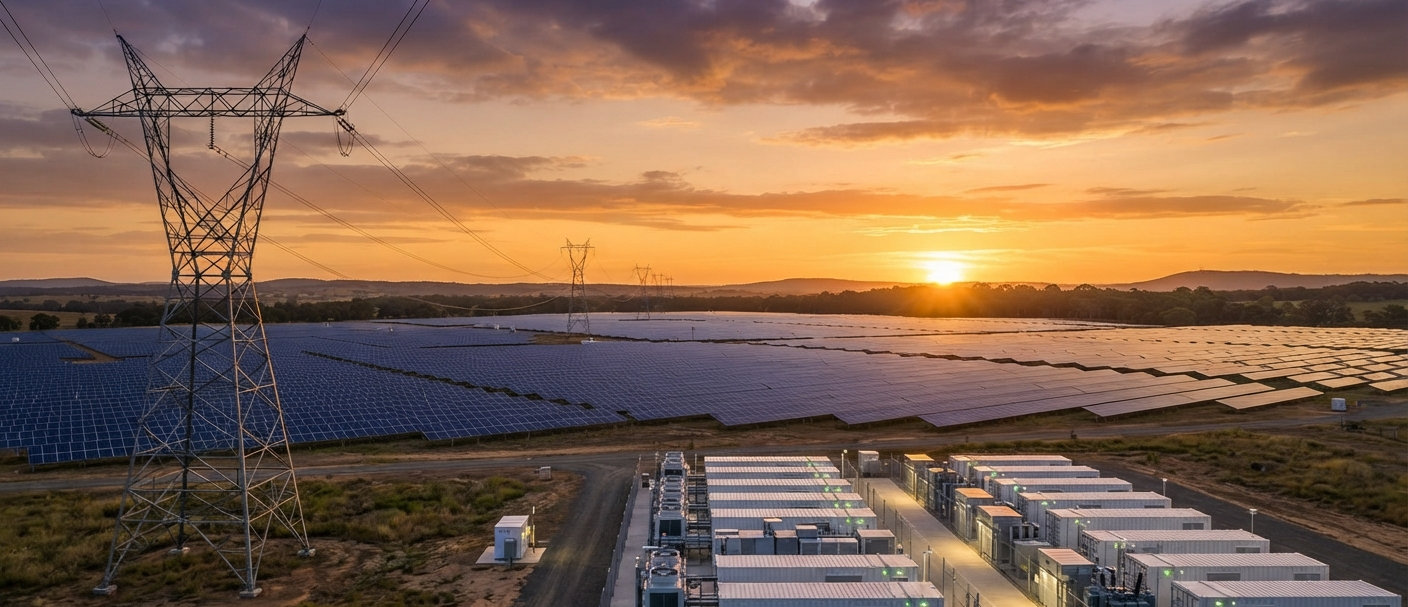
To resolve this, GEC-III introduces a landmark structural addition: a 50 GWh Battery Energy Storage System (BESS) component.
By integrating utility-scale battery storage directly into the transmission corridors, excess solar and wind power generated during peak generation hours can be stored rather than wasted or curtailed. This stored energy can then be dispatched seamlessly during evening peak-demand hours or periods of low generation, stabilizing the grid and reducing dependence on fossil-fuel-based balancing generation.
3. Strategic Significance and Economic Impact
-
Grid Stability: By deploying advanced mechanisms like Renewable Energy Management Centres (REMCs), reactive power compensation, and grid-scale BESS, the scheme ensures absolute grid stability despite the erratic nature of variable renewables.
-
Manufacturing and Employment: The long-term policy clarity and predictable pipeline of work through FY 2033 provide a major boost to domestic manufacturing of advanced power equipment, battery cells, and high-voltage transformers, while unlocking wide-scale technical employment opportunities across India’s power management and engineering sectors.