 openaccessexchange@gmail.com
 Mon - Fri: 9 AM to 8 PM




India’s Renewable Power Capacity Set to Reach 530 GW by 2030 as Solar Leads Expansion
 November 5, 2026
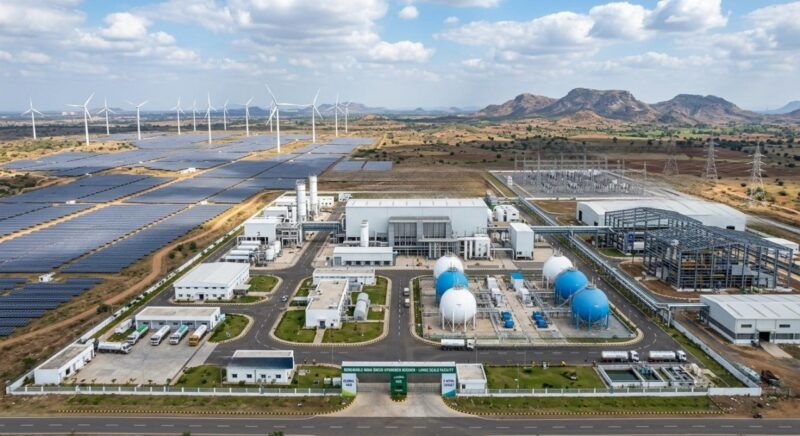
India’s clean energy transition is gathering rapid momentum, with total installed renewable power capacity crossing the landmark threshold of 300 gigawatts (GW) in 2026—nearly quadrupling over the past decade. According to market forecasts, the nation is on track to expand its renewable energy footprint to 530 GW by 2030, heavily anchored by utility-scale solar PV developments and aggressive clean tech additions.
Key Takeaways & Industry Drivers:
-
Solar Dominance: Solar PV continues to act as the primary engine for green growth, driving the majority of newly added grid capacity.
-
Economic Offsets: The accelerated adoption of renewable generation has delivered massive fuel cost savings, offsetting over USD 100 billion in traditional fossil fuel expenditures.
-
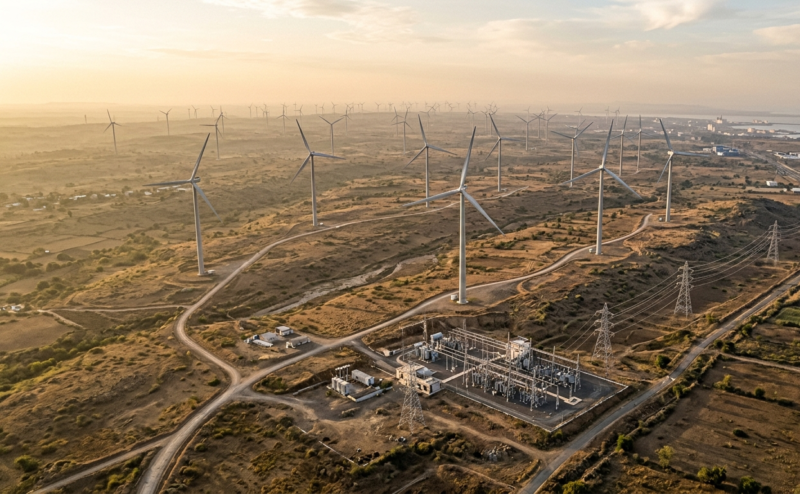
Infrastructure Bottlenecks: To sustain this growth trajectory toward the 2030 goal, scaling robust grid transmission networks and utility-scale energy storage systems (BESS) remains a vital priority for policymakers and energy developers.
By crossing the 300 GW milestone, India has firmly established clean energy as a fundamental pillar of its economic growth, delivering substantial macroeconomic benefits through reduced fossil fuel dependency. However, unlocking the full potential of the projected 530 GW target by 2030 will ultimately depend on how effectively the nation modernizes its grid transmission networks and integrates battery energy storage systems (BESS) to handle variable solar power.