 openaccessexchange@gmail.com
 Mon - Fri: 9 AM to 8 PM


 February 10, 2026
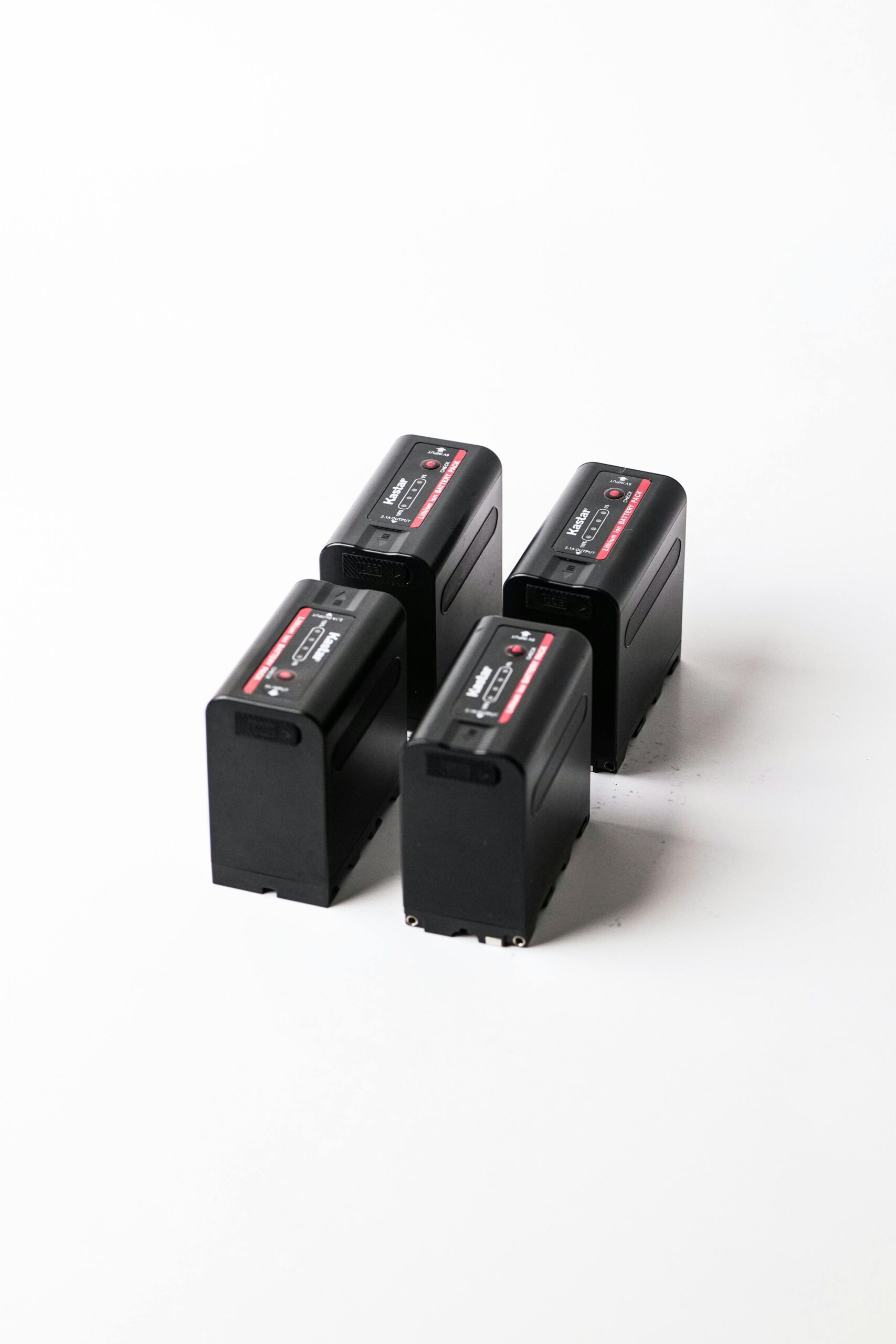
 New Delhi – India’s battery energy storage system (BESS) market is expanding rapidly, supported by government funding programs, but aggressive bidding and differences between short-term prices and actual long-run storage costs are creating challenges for the sector, industry analysts said in a recent Mercom India report. Viability Gap Funding (VGF) support has helped cut upfront costs and boost competition, but true lifecycle costs of storage — represented by Levelized Cost of Storage (LCOS) — remain a critical measure for project viability.
Market participants told Mercom India that while VGF has made many early-stage BESS projects financially possible, it has also encouraged bids that may not reflect the full lifecycle economics of storage assets, which include factors such as battery degradation, round-trip efficiency, operation and maintenance expenses, and the way batteries are charged and discharged over time. The difference between bid-stage assumptions and actual operating costs could pose execution and performance risks for developers.
Experts noted that the LCOS metric provides a more complete picture of the cost of delivering stored energy over a battery’s lifetime than simple capacity-based pricing, but competitive pressures in auction pricing have sometimes led to tariff levels that do not align with realistic lifecycle costs. While battery prices have fallen significantly in recent years, the storage market in India is still maturing, and many projects rely on VGF to achieve bankability and attract bidder interest.
Government policy is also evolving to support the sector, with recent directives requiring a minimum level of local content in VGF-supported BESS projects. This is expected to slightly raise LCOS and add complexity to project execution, but policymakers and industry leaders believe it could strengthen the domestic supply chain and long-term cost stability.
As the BESS market scales, observers say success will increasingly depend on realistic cost assumptions, disciplined project execution, and careful consideration of lifecycle performance, shifting industry focus from price-led competition toward sustainable, infrastructure-grade energy storage assets.