 openaccessexchange@gmail.com
 Mon - Fri: 9 AM to 8 PM


 February 27, 2026
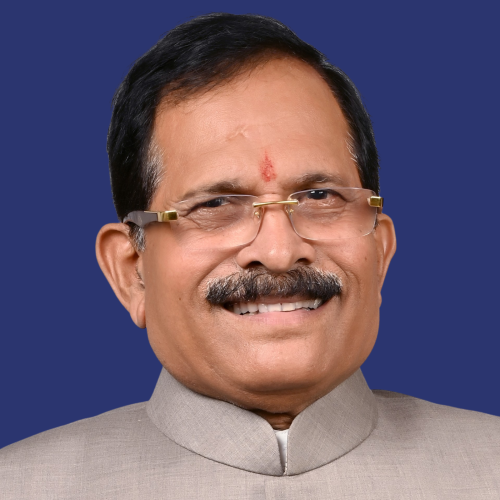
 New Delhi, India – Union Minister of State for Power and New and Renewable Energy Shripad Yesso Naik addressed the India Energy Transition Summit 2026 virtually from New Delhi, emphasising the country’s rapid shift towards clean energy and outlining key achievements and future goals for India’s energy sector. The summit, organised by the Federation of Indian Chambers of Commerce and Industry (FICCI), brought together industry leaders, policymakers and stakeholders focused on accelerating the nation’s transition to sustainable energy.
In his address, Naik said India’s total installed power capacity has surpassed 520 gigawatts, with more than half now coming from non-fossil fuel sources, reflecting a significant transformation from traditional energy systems to cleaner alternatives. He noted that the country’s solar energy capacity has more than tripled in recent years, and renewable energy technologies have shifted from being peripheral to central components of the national energy mix.
Naik attributed this progress to strong policy frameworks, transparent competitive bidding, expansion of green energy corridors, the development of large-scale renewable parks and initiatives such as roof-top solar deployment under the PM Surya Ghar scheme. He stressed that these efforts have helped integrate renewable power more effectively into the grid while supporting economic growth and energy access.
Highlighting India’s ambitious targets, Naik reaffirmed the government’s goal of achieving 500 GW of non-fossil fuel energy capacity by 2030 and advancing toward net-zero emissions by 2070. He underlined that the energy transition is not merely about reducing carbon emissions, but also about strengthening energy independence, creating employment opportunities, enhancing competitiveness and building a resilient economy.
The minister also discussed the broader benefits of India’s energy transformation, noting that it supports national priorities such as rural electrification, economic development and technological innovation. He urged continued collaboration among government bodies, industry, financial institutions and international partners to sustain momentum and address technical and financial challenges in scaling renewable deployment.
India’s progress as highlighted at the summit signals the country’s evolving leadership role in global clean energy efforts. With policies aimed at integrating renewables, promoting domestic manufacturing and enhancing grid flexibility, India is positioning itself to be a model for inclusive and ambitious energy transition pathways worldwide.