 openaccessexchange@gmail.com
 Mon - Fri: 9 AM to 8 PM


Real-World Battery Cycling: The New Key to Understanding Energy Storage Economics in India
 March 27, 2026
As India’s energy storage market moves from the planning stage to full-scale operation, a new economic challenge is coming into focus: the impact of real-world battery cycling. While initial industry discussions often centered on installation costs and tariffs, the long-term success of these projects is increasingly tied to how the batteries are actually used. Factors such as the frequency of charging cycles, the depth of discharge, and even local weather conditions are proving to have a disproportionate effect on battery health and project profitability.
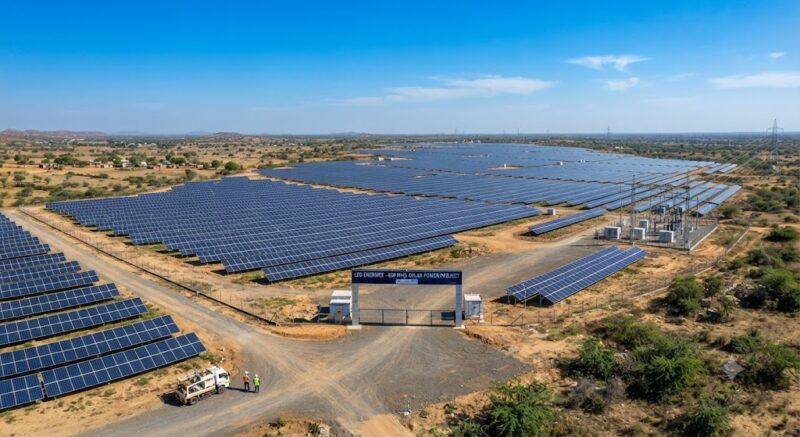
One of the biggest hurdles is the gap between theoretical financial models and actual grid behavior. Many projects are designed assuming a steady, predictable daily cycle, but the reality of the Indian grid involves irregular dispatch patterns, partial cycles, and sudden spikes in demand. Furthermore, India’s extreme summer temperatures—often exceeding 40°C in renewable hubs like Rajasthan—can accelerate battery degradation far beyond standard laboratory estimates. This means that systems may lose capacity faster than expected, potentially leading to higher maintenance costs or the need for early equipment replacement.
For developers and industrial consumers, this shift highlights the importance of “lifetime energy delivery” rather than just initial capacity. To ensure sustainable returns, the industry is moving toward more sophisticated modeling that accounts for these site-specific environmental and operational stresses. Balancing short-term revenue from aggressive cycling with the long-term longevity of the battery asset has become the new priority. As the market matures, aligning financial expectations with these real-world conditions will be the key to building a resilient and economically viable energy storage infrastructure.