 openaccessexchange@gmail.com
 Mon - Fri: 9 AM to 8 PM


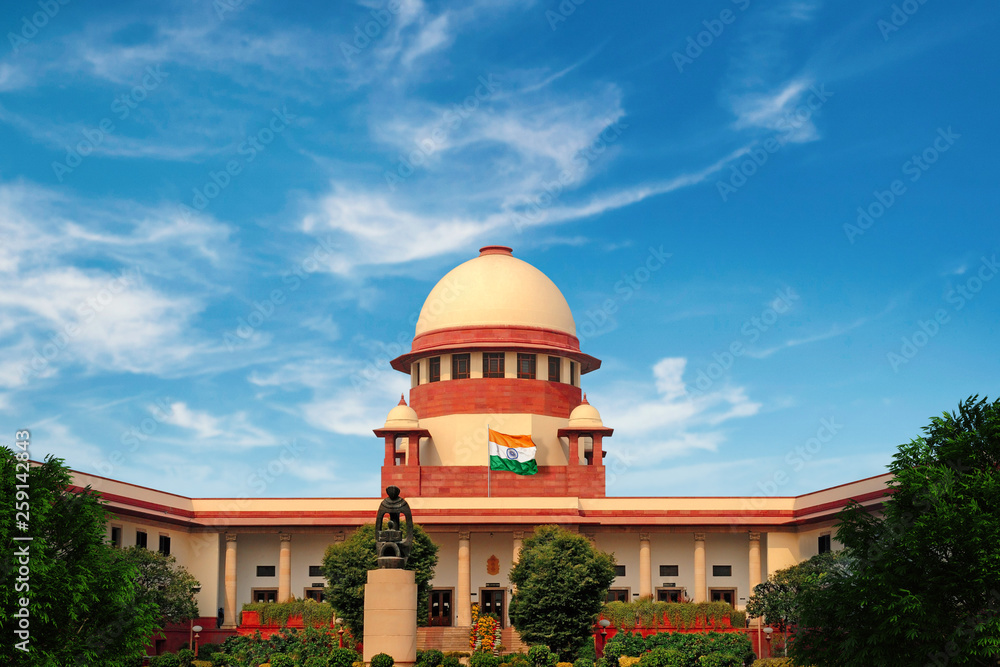
25-Year Legal Battle Ends: Supreme Court Affirms State Authority Over Fiscal Concessions
 April 2, 2026
The Supreme Court of India has delivered a landmark judgment in a long-standing 25-year dispute, affirming the Maharashtra government’s authority to withdraw electricity duty exemptions previously granted to captive power generators. Overturning a 2009 Bombay High Court ruling, the Bench of Justices Pamidighantam Sri Narasimha and Alok Aradhe clarified that tax exemptions are “policy concessions” rather than permanent vested rights. While this decision gives the State significant fiscal flexibility, the Court introduced a critical “fairness buffer,” ruling that such withdrawals can only take effect after a one-year notice period to prevent sudden financial shocks to industries.
The roots of this legal battle trace back to Maharashtra’s 1993 Industrial Policy, which incentivized companies like Reliance Industries and Jindal Poly Films to invest heavily in self-generation (captive power) by promising a complete waiver of electricity duty. However, between 2000 and 2005, the state rescinded these benefits and imposed duties ranging from 15 to 30 paise per unit to address budgetary deficits. Industries challenged the move, arguing “promissory estoppel”—the idea that the government cannot go back on a promise that induced private investment. The Supreme Court, however, ruled that “supervening public interest” and the need for fiscal stability allow the State to recalibrate its policies as long as the process is transparent and fair.
For the renewable energy and industrial sectors, the ruling sets a vital precedent for policy certainty. While it confirms that governments have the right to alter incentives in the public interest, the mandated one-year grace period provides a necessary transition window for businesses to reorganize their financial and operational structures. Interestingly, even as this historical dispute was settled, the Maharashtra government recently announced a new 10-year duty waiver for specific green energy projects integrated with energy storage. This highlights the evolving nature of energy policy—where old incentives are retired to make way for new strategic priorities like grid-scale storage and decarbonization.